Five Indian nationals rescued, shifted ashore after projectile hits tanker in Hormuz: Embassy in Oman
Source Entity
India Latest News: Top National Headlines Today & Breaking News | The Hindu
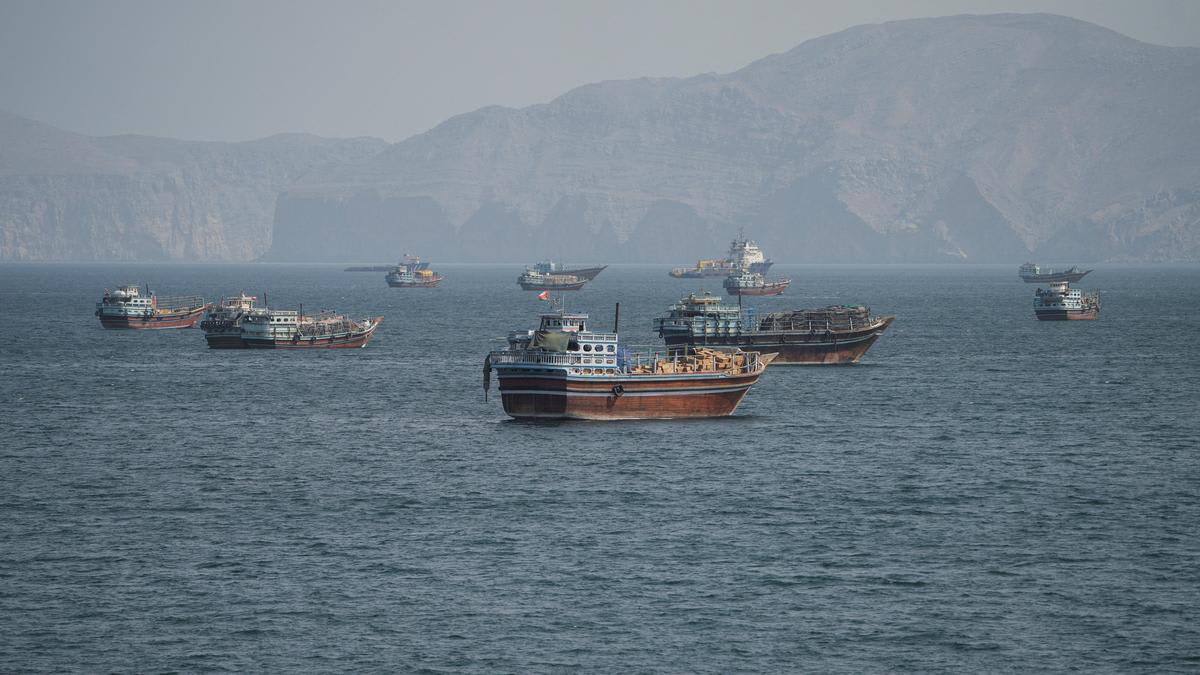
Five Indian nationals have been safely evacuated to Oman following a projectile strike on the Kuwait-flagged tanker MT Kazimah III in the Strait of Hormuz. The incident occurs amidst heightened regional tensions involving Houthi-led attacks and ongoing US-Iran sanctions.
Maritime Security Crisis in the Strait of Hormuz
The recent projectile strike on the Kuwait-flagged crude oil tanker MT Kazimah III in the Strait of Hormuz marks a significant escalation in regional maritime insecurity. Five Indian nationals, who were serving as crew members, were successfully evacuated to Oman following the incident. This rescue operation, coordinated by the Indian embassy in Oman with the support of local authorities, highlights the ongoing risks faced by merchant mariners navigating this critical global energy transit corridor.
The Strategic Significance of the Strait
The Strait of Hormuz is one of the world’s most vital maritime choke points, through which a substantial portion of the world's petroleum supply passes daily. Any disruption or hostile act within this waterway carries immediate implications for global energy prices and geopolitical stability. The targeting of a commercial tanker underscores the vulnerability of international shipping to regional conflicts, specifically those involving non-state actors and proxy groups operating in the vicinity of the Persian Gulf.
Broader Context of Regional Hostilities
This attack occurs against a backdrop of intensified volatility in the Middle East. Reports indicate that the broader security environment is being affected by frequent Houthi-led military actions, including projectile strikes on Saudi Arabian infrastructure, such as the recent hit on a school in Najran. These incidents are inextricably linked to the complex power struggles involving Iranian-backed groups, such as the late Qassem Soleimani’s Quds Force and Hezbollah, whose influence remains a focal point of regional tensions.
Diplomatic and Sanctions Pressures
The incident also coincides with a period of heightened diplomatic friction between Washington and Tehran. The United States has been actively pushing for the enforcement of 'snapback' UN sanctions against Iran, while simultaneously imposing new financial measures aimed at entities accused of supporting Hamas. These punitive actions are intended to curb the financing networks that sustain regional militant activities, reflecting a broader strategy of 'maximum pressure' that continues to define US-Iran relations.
Implications for Future Maritime Operations
The successful rescue of the Indian crew members is a testament to the importance of international cooperation in emergency maritime scenarios. However, the recurring nature of these projectile attacks suggests that commercial vessels remain soft targets in a highly militarized zone. Looking ahead, the international community will likely face increased pressure to bolster maritime security patrols in the Strait of Hormuz to ensure the safety of merchant crews and the stability of global energy flows.
Conclusion
In summary, the attack on MT Kazimah III serves as a stark reminder of how local maritime incidents are often symptomatic of deep-seated regional conflicts. While the immediate crisis was averted through the safe evacuation of the Indian nationals, the intersection of projectile attacks, proxy warfare, and international sanctions continues to create a hazardous environment for global shipping. Continued vigilance and diplomatic engagement will be essential to prevent further escalation in this volatile waterway.
Multiple Citing Sources
Verification Required?