5 Indians Rescued After Kuwait-Flagged Tanker Struck In Strait Of Hormuz
Source Entity
NDTV News Search Records Found 1000
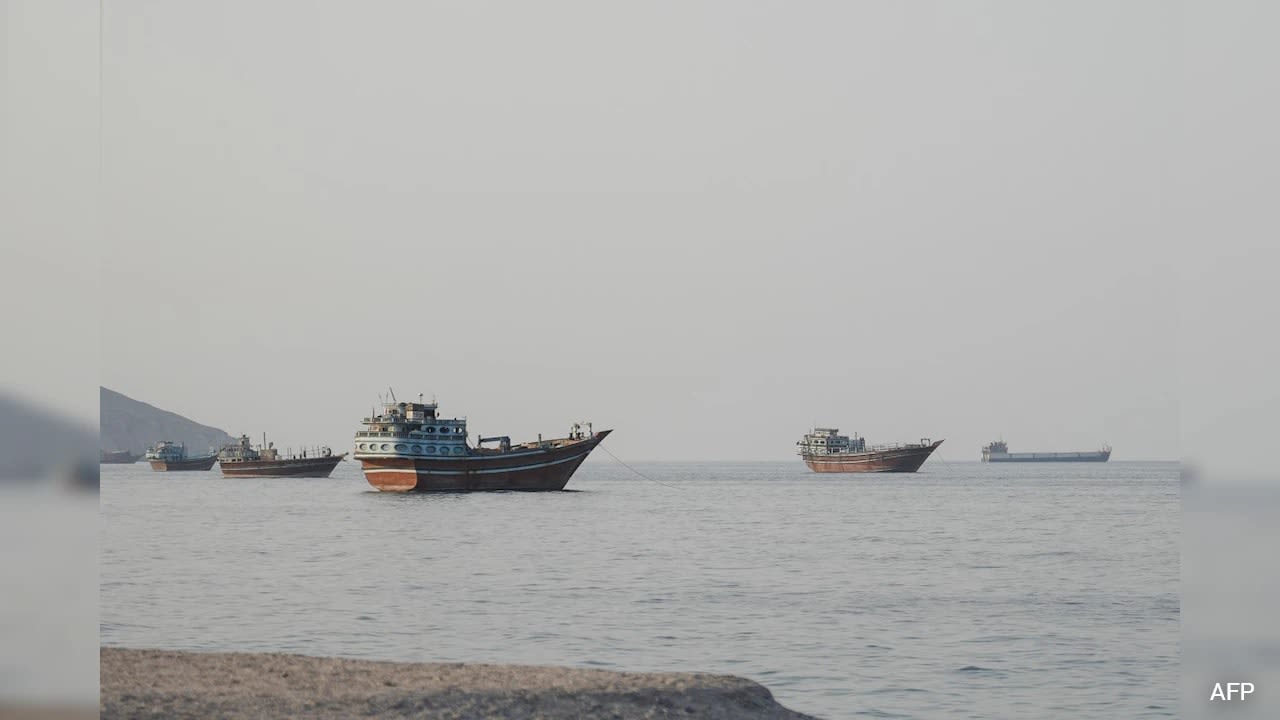
Five Indian nationals were successfully evacuated to Oman following a projectile strike on the Kuwaiti-flagged tanker MT Kazimah III in the Strait of Hormuz. This incident occurs amidst heightened regional tensions involving US-Iran sanctions and Houthi-led attacks in the Middle East.
Maritime Security Crisis in the Strait of Hormuz
The recent projectile strike on the Kuwaiti-flagged crude oil tanker MT Kazimah III in the Strait of Hormuz represents a significant escalation in regional maritime instability. The successful evacuation of five Indian nationals to Oman, coordinated by the Indian embassy, highlights the immediate human impact of the volatile security environment currently plaguing one of the world’s most critical maritime chokepoints.
Geopolitical Context and Regional Tensions
This attack occurs against a backdrop of intensifying friction between the United States and Iran. The regional atmosphere remains charged with the legacy of historical figures such as the late Quds Force commander Qassem Soleimani and the late Hezbollah leader Hassan Nasrallah, whose imagery remains prevalent in the region. These tensions are further exacerbated by the US push for the enforcement of 'snapback' UN sanctions against Iran and the imposition of new financial measures targeting entities accused of supporting Hamas.
The Role of Non-State Actors
Beyond the US-Iran diplomatic standoff, the security of the region is constantly threatened by non-state actors. Recent reports indicate that the Saudi-led coalition has been forced to intercept missiles launched by Houthi forces, including an incident where a projectile struck a school in Najran. The convergence of these attacks on both land and sea suggests a coordinated or emboldened effort by factions operating within the broader sphere of influence often associated with the Iranian resistance axis.
Humanitarian and Diplomatic Implications
For India, the safety of its citizens serving in the global merchant marine is a primary diplomatic concern. The quick coordination between the Indian embassy in Oman and local authorities to secure the safety of the five crew members emphasizes the necessity of robust consular presence in high-risk zones. The incident underscores the vulnerability of international shipping lanes, which are frequently caught in the crossfire of regional proxy conflicts.
Future Trends in Maritime Security
Looking forward, the persistence of these projectile attacks suggests that global shipping companies may face increased insurance premiums and the necessity for enhanced security protocols when transiting the Strait of Hormuz. As long as the diplomatic deadlock regarding Iranian sanctions remains, the risk of miscalculation or deliberate targeting of commercial vessels will likely persist. International stakeholders will likely continue to monitor these developments closely, as any further disruption to oil tanker traffic could have significant repercussions for global energy markets and maritime safety standards.
Multiple Citing Sources
Verification Required?