Delhi, Bihar to start regular bus services on 18 routes
Source Entity
The Indian Express
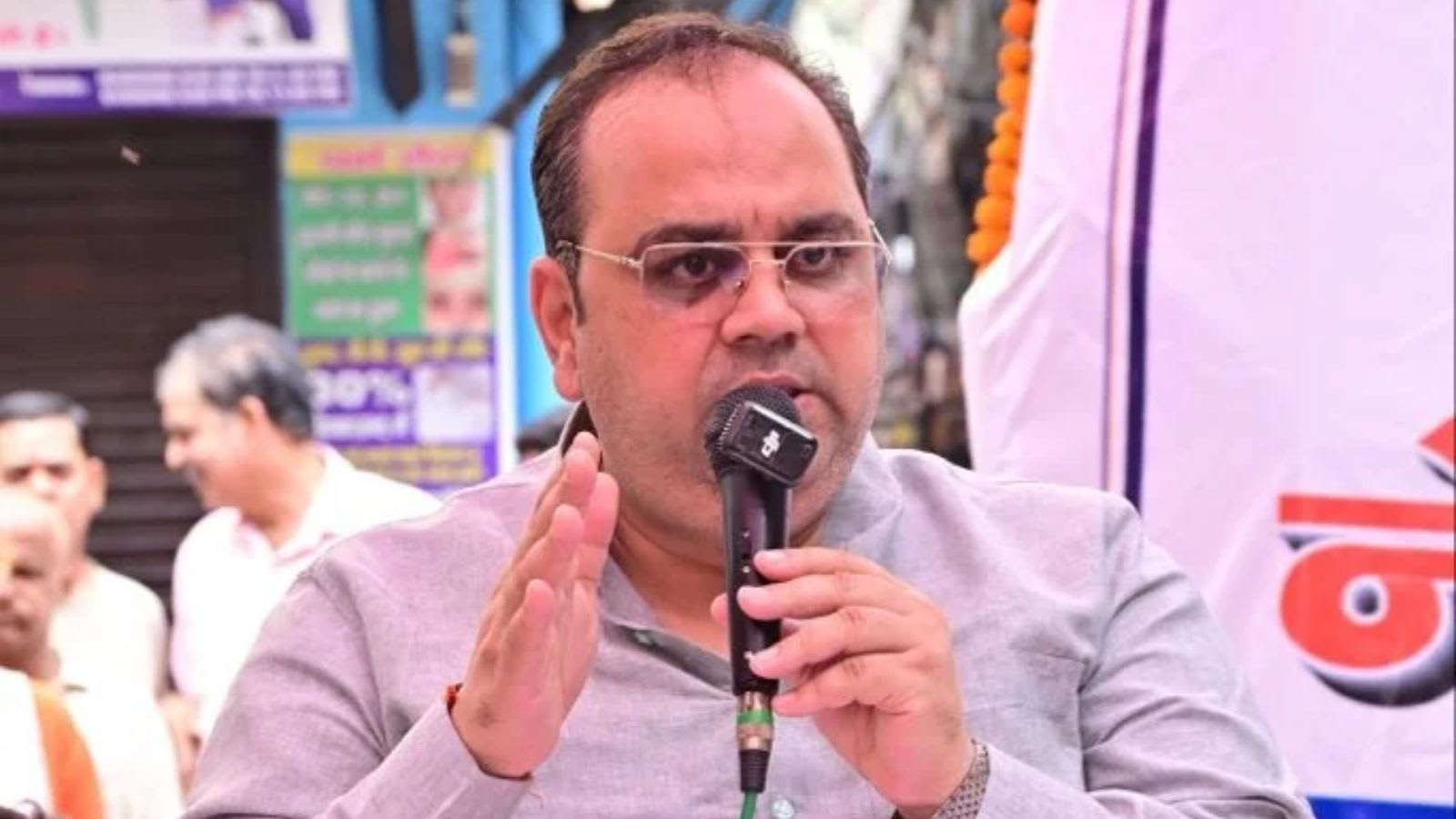
The Delhi and Bihar governments are launching year-round interstate bus services across 18 routes to improve connectivity. This initiative aims to assist nearly 20 lakh residents by providing reliable transport options, especially during peak travel seasons.
Enhancing Interstate Connectivity: The Delhi-Bihar Bus Agreement
The governments of Delhi and Bihar have announced a landmark agreement to establish regular, year-round interstate bus services across 18 designated routes. This strategic partnership aims to bridge the logistical gap between the national capital and various districts in Bihar, directly benefiting an estimated 20 lakh people from Bihar and the Purvanchal region who currently reside in Delhi. By formalizing these transit corridors, the state authorities are addressing a critical infrastructure need that has long affected the migrant population.
Scope and Strategic Route Planning
Under the proposed agreement, the connectivity network will span a wide array of destinations, including major hubs such as Patna, Muzaffarpur, Gaya, Darbhanga, and Bhagalpur, as well as smaller districts like Araria, Buxar, Kishanganj, and Madhubani. The logistical framework is designed for equity, with both Delhi and Bihar states allocated 12 permits each per route. This balanced distribution ensures that transport resources are managed efficiently, allowing for a consistent flow of traffic that can accommodate the significant volume of passengers traveling between these regions.
Alleviating Seasonal Travel Distress
Delhi Transport Minister Pankaj Kumar Singh highlighted that this initiative serves as a vital relief mechanism for travelers. Historically, the demand for transport between Delhi and Bihar spikes dramatically during festival seasons and holidays, often resulting in severe overcrowding and an acute shortage of available train tickets. By introducing organized bus services, the government aims to mitigate the reliance on unpredictable private operators and provide a more stable, regulated, and reliable alternative for commuters who frequently face travel disruptions.
Addressing Urban-Rural Migration Dynamics
This project reflects a broader understanding of the demographic shifts within India, where large numbers of individuals migrate from states like Bihar to urban centers like Delhi for employment and education. Providing seamless, year-round connectivity is not merely a transport upgrade; it is an essential public service that supports the socio-economic ties between the capital and its surrounding states. Enabling easier travel allows families to remain connected and eases the burden on the massive workforce that commutes between these distinct geographical zones.
Future Trends and Logistical Integration
Looking ahead, this agreement sets a precedent for how interstate cooperation can resolve regional transit bottlenecks. By moving toward a formalized permit system, the Delhi and Bihar governments are laying the groundwork for a more robust public transport ecosystem. If successful, this model could be expanded to include more routes or serve as a blueprint for other states facing similar challenges with high-density passenger traffic. The focus will likely shift next to maintaining the quality of service, ensuring safety standards, and integrating digital ticketing systems to further streamline the experience for the millions who rely on this vital transit link.