Karnataka’s Escoms plan to pass profits to consumers via lower power bills from April 2027
Source Entity
India Latest News: Top National Headlines Today & Breaking News | The Hindu
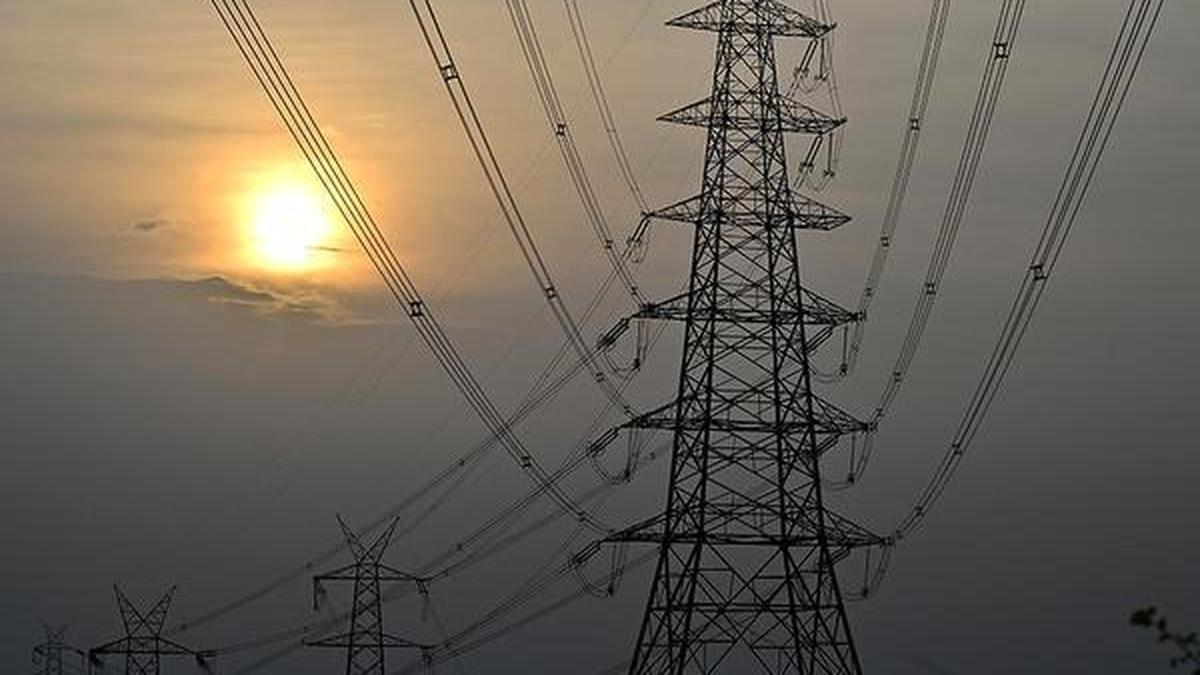
Karnataka's state-run electricity supply companies (Escoms) are set to provide a refund of approximately 16 paise per unit to consumers starting April 2027. This decision follows improved financial performance and reported profits by most regional Escoms for the 2025-26 fiscal year.
Karnataka Power Sector Shifts Toward Consumer Relief
In a significant development for the residents of Karnataka, state-run electricity supply companies (Escoms) have announced a strategic plan to pass on fiscal gains to the public. Starting in April 2027, consumers are expected to see a reduction in their electricity bills in the form of a refund, estimated at approximately 16 paise per unit. This move represents a rare instance of utility-sector profitability being directly redistributed to the ratepayer, offering a buffer against the backdrop of rising household living costs.
The Financial Turnaround of Escoms
The policy shift is rooted in the improved financial health of the state’s energy infrastructure. Sources within the Karnataka Energy Department have confirmed that for the financial year 2025-26, the majority of the state’s regional supply companies—including the Bangalore Electricity Supply Company (Bescom), Gulbarga Electricity Supply Company (Gescom), Chamundeshwari Electricity Supply Corporation (CESC), and Mangalore Electricity Supply Company (Mescom)—have successfully posted profits. This turnaround is a critical indicator of stabilized operational efficiencies and improved revenue collection mechanisms within the state's power distribution grid.
Disparities in Regional Performance
Despite the positive outlook, the financial success of these entities is not uniform across the state. While major entities like Bescom have reported significant gains, the Hubli Electricity Supply Company (Hescom) stands as a notable exception to this trend, failing to record a profit for the 2025-26 fiscal period. This regional disparity highlights the inherent challenges in managing power distribution across diverse geographic and economic zones in Karnataka, where industrial hubs and rural sectors face different logistical and demand-side pressures.
Implications for Household Budgeting
The decision to implement a 16 paise per unit refund serves as a direct intervention in the cost-of-living crisis. By lowering the variable cost of electricity, the Energy Department aims to provide tangible relief to households struggling with inflationary pressures. As utility bills constitute a mandatory and significant portion of monthly domestic expenditure, even a marginal reduction per unit can aggregate into substantial annual savings for the average consumer, particularly those in high-consumption urban areas serviced by Bescom.
Long-term Economic Sustainability
The ability of Escoms to return gains to the consumer suggests that the state's energy sector has reached a level of maturity where it can balance operational sustainability with social welfare. By reinvesting profits into the consumer base rather than merely absorbing them into internal reserves, the Energy Department is signaling a shift toward a more consumer-centric utility model. This transparency in financial reporting and commitment to refunding excess revenue could potentially set a precedent for other states across India to follow, fostering greater public trust in state-run utility monopolies.
Future Outlook for Energy Pricing
Looking ahead, the success of this initiative will likely depend on the continued financial stability of the participating Escoms. While the April 2027 rollout provides a clear timeline, the state must navigate the hurdles faced by loss-making entities like Hescom to ensure that the benefits of the refund policy are equitable across all regions. If the current trajectory of profitability continues, Karnataka may be able to sustain these lower rates, creating a more predictable and affordable energy market for its citizens in the years to come.
Verification Required?