Boy, 4, falls into sewer in Delhi’s Ranhola, mutilated body located at water plant
Source Entity
G S DHANUSH AND ABHAY
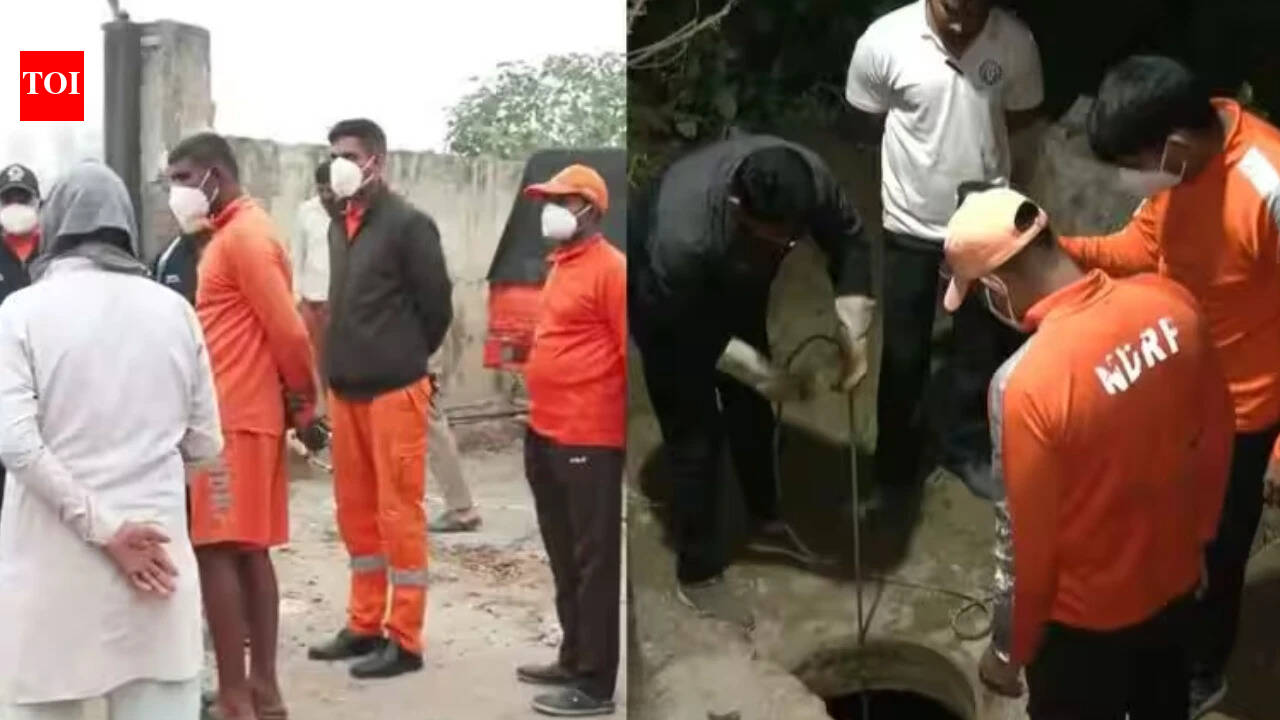
A four-year-old boy in Delhi died after falling into an open sewer at a Delhi Jal Board site. The tragic incident, caused by inadequate fencing and a missing manhole cover, resulted in his remains being recovered from a treatment plant 7 km away.
The Tragic Loss of a Child in Delhi
A devastating incident has occurred in Outer Delhi, where a four-year-old boy named Imran lost his life after falling into an open sewer line located at a Delhi Jal Board (DJB) site. The child’s tragic end was confirmed after his dismembered remains were discovered at a water treatment plant approximately 7 kilometers away from the point of the fall. The recovery of the body followed an exhaustive seven-hour search operation conducted by rescue teams across the sewer and adjoining drains.
Infrastructure Negligence and Safety Failures
The root cause of this tragedy appears to be a systemic failure in site maintenance and security. Reports indicate that the area was compromised by a damaged manhole cover and insufficient fencing at the boundary wall of a barren plot. These lapses in basic infrastructure safety essentially created a death trap, allowing a young child to wander into a restricted zone and fall into the open sewer. This event raises critical questions regarding the standard operating procedures for securing hazardous utility sites in densely populated urban areas.
Conflicting Accounts of Responsibility
Following the incident, a blame game has emerged between local authorities. The Delhi Jal Board has attributed the damaged iron cover to the actions of 'miscreants,' while simultaneously claiming that the site was under police-restricted access. In sharp contrast, the Delhi Police have explicitly denied these claims. This lack of accountability highlights a recurring issue in municipal governance, where jurisdictional overlap and the shifting of blame often delay the implementation of necessary safety reforms.
The Human Cost of Negligence
The emotional toll of this incident is best illustrated by the grief-stricken state of the victim's family. Imran’s mother, Shahjahan, has been left shattered by the loss, which was made even more harrowing by the condition in which the child’s remains were recovered. The fact that the body was dismembered by the industrial rotating machinery at the sewage treatment plant underscores the extreme danger posed by these facilities when they are not properly enclosed or supervised.
Broader Implications and Future Trends
This incident serves as a grim reminder of the urgent need for structural audits across all public utility sites in Delhi. The government has promised a detailed inquiry to determine the exact circumstances surrounding the tragedy. However, the future prevention of such occurrences depends on more than just inquiries; it requires a proactive approach to urban planning that prioritizes child safety, strict enforcement of site security, and the immediate repair of hazardous public infrastructure. Unless these systemic vulnerabilities are addressed, the city remains at risk of repeating such preventable tragedies.