Defer Nov 1 rally, will hit festive business, traders urge Rahul; BJP raps Congress
Source Entity
TNN
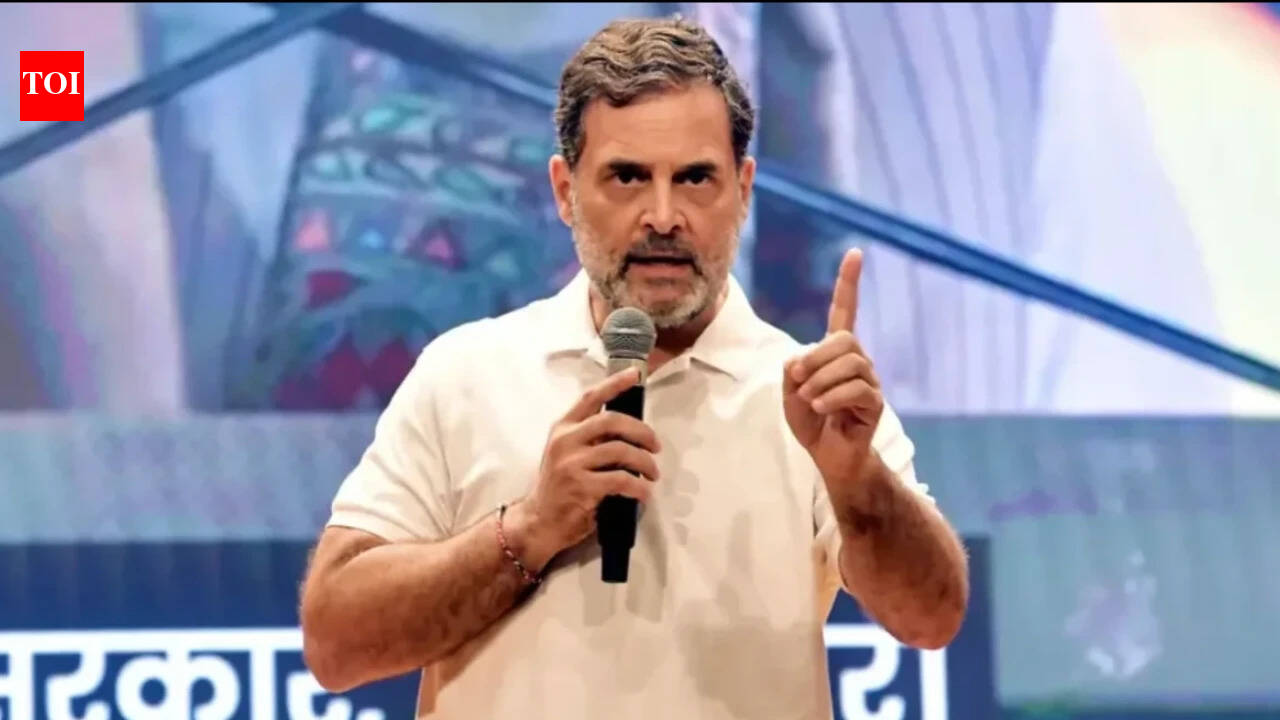
The Chamber of Trade and Industry and other groups have urged Rahul Gandhi to postpone a November 1 rally due to potential disruptions to peak Diwali business. Meanwhile, the BJP has criticized the timing, citing its proximity to the 1984 anti-Sikh riots, while the Congress leader has dismissed concerns and framed the protest as a move against alleged vote manipulation.
Economic and Political Tensions Surround Congress Rally
The decision by the Congress party to host a major political rally at Ramlila Maidan on November 1 has ignited a multifaceted controversy involving economic stakeholders, political rivals, and social sensitivities. At the heart of the dispute is the Chamber of Trade and Industry (CTI), which has formally requested that Leader of the Opposition (LoP) Rahul Gandhi postpone the event until after November 10. The business body argues that the timing coincides with the peak of the Diwali shopping season, a period when Delhi typically records approximately Rs 25,000 crore in business on Dhanteras alone.
Economic Impact and Trade Disruptions
CTI chairman Brijesh Goyal has highlighted that previous political rallies and subsequent road closures in central Delhi—including areas like Connaught Place and India Gate—resulted in estimated losses of Rs 3,000 crore in October. The current projection suggests that the November 1 rally could disrupt market access and traffic for several days, potentially jeopardizing up to Rs 10,000 crore in festive trade. This concern extends to essential services as well; the Federation of LPG Distributors of India (FLDI) has proactively urged its members to maintain delivery operations, resisting any strike calls that might be influenced by the ongoing political climate surrounding the rally.
The Intersection of Politics and Sentiment
Beyond economic concerns, the rally has become a focal point of intense political friction. The Bharatiya Janata Party (BJP) has strongly criticized the scheduling of the event, arguing that it is insensitive to choose November 1 for a mass gathering as it coincides with the anniversary of the 1984 anti-Sikh riots. The BJP claims that this timing risks causing distress to the Sikh community and has alleged that even some allies of the Congress party have expressed reservations regarding the date.
Rahul Gandhi’s Stance and Mobilization
Rahul Gandhi, however, has framed the event as a critical protest against what he describes as "vote chori" (vote theft). The rally is intended to spotlight issues surrounding voter list inaccuracies and the government’s response to citizen grievances. Rather than conceding to the requests for deferment, Gandhi has taken a defiant stance, publicly thanking the BJP and its allies for the publicity they have generated for the event. His narrative positions the protest as a necessary democratic exercise to "Save the Vote."
Broader Implications and Future Trends
This standoff illustrates the growing tension between the exercise of democratic rights to protest and the practical realities of urban governance and economic stability. As the political landscape in India becomes increasingly polarized, the use of large-scale public demonstrations in the heart of the national capital continues to serve as a primary tool for opposition messaging. The outcome of the November 1 rally will likely set a precedent for how political parties balance their mobilization strategies with the economic interests of local trade bodies and the sensitivities of various social groups in the future. The ability of the INDIA bloc to maintain momentum despite these protests from business and political opponents remains a key metric for their political efficacy heading into subsequent legislative sessions.