Report: Delhi Contemporary Art Week
Source Entity
Latest News: Todays Latest News Headlines from India & World | Hindustan Times | Hindustan Times
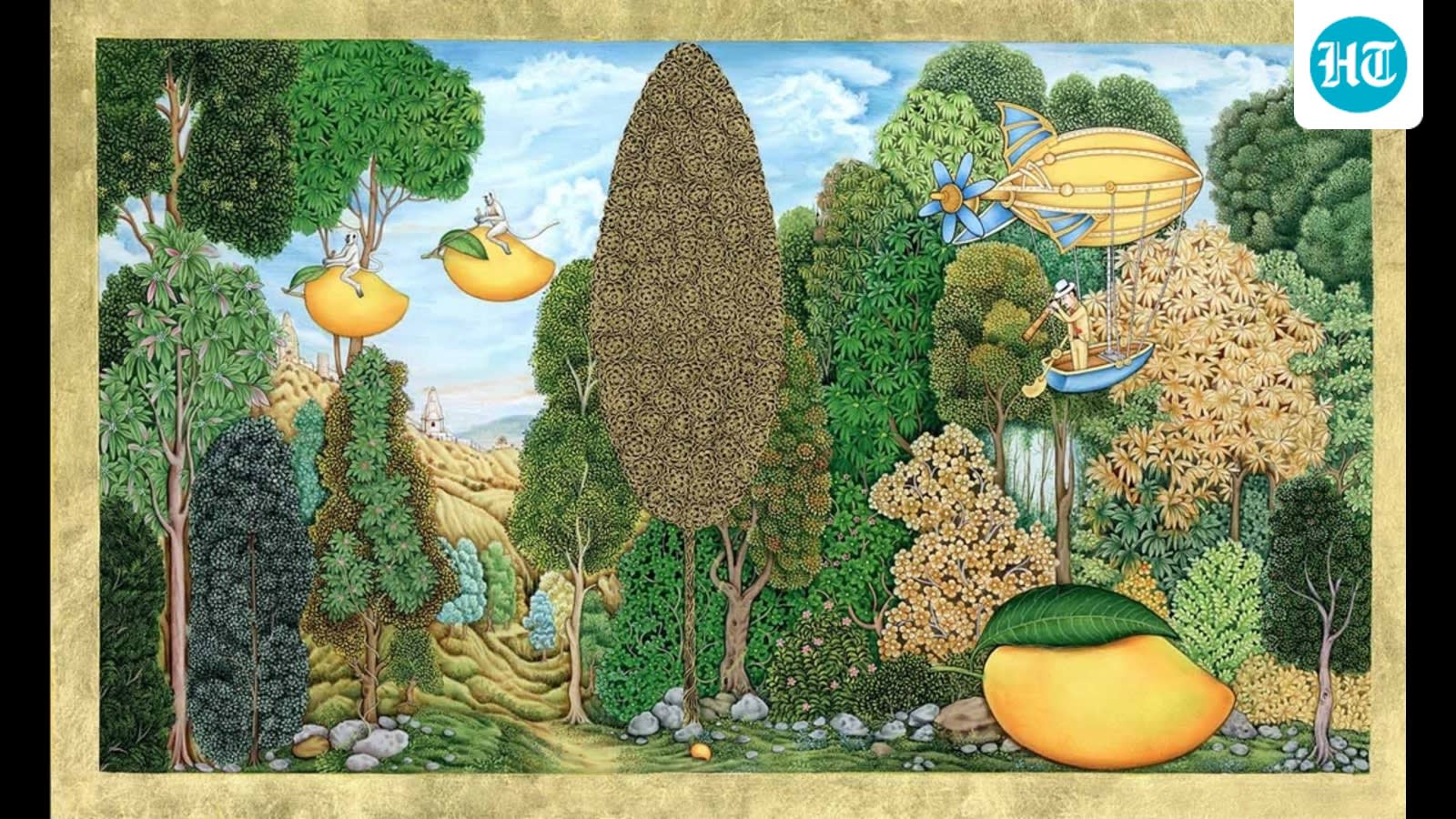
The ninth edition of Delhi Contemporary Art Week features six women-led galleries exploring themes of identity, memory, and environmental change. The exhibition runs at Bikaner House until September 5, showcasing diverse mediums ranging from textiles to large-scale installations.
A Reflection on Identity and Memory at Delhi Contemporary Art Week
The ninth edition of the Delhi Contemporary Art Week (DCAW) has arrived at Bikaner House, bringing with it a palpable sense of intellectual restlessness. By curating a selection of six prominent women-led galleries—Blueprint12, Exhibit 320, Gallery Espace, Latitude 28, Shrine Empire, and Vadehra Art Gallery—the event establishes a powerful platform for discourse. This year’s iteration is not merely an exhibition but a deep dive into the human condition, challenging viewers to confront the complexities of their own narratives.
Thematic Depth: Beyond the Canvas
At the core of this year’s curation is a preoccupation with the fundamental questions of existence. The participating artists utilize a wide gamut of mediums, including paintings, sculpture, textiles, photography, drawings, and immersive installations. This technical diversity allows the galleries to dissect themes such as the nature of home, the weight of inherited memory, and the psychological tethering to specific landscapes. The art acts as a conduit for exploring the transition between what we leave behind and what we carry forward.
The Intersection of Land and Climate
One of the most pressing sub-themes of the event is the relationship between the individual and the environment. As the exhibition poses questions about the shifting nature of 'land,' it inevitably pivots to the impact of climate change on daily existence. By grounding abstract artistic concepts in the tangible reality of environmental degradation, the curators ensure that the art remains relevant to contemporary crises, transforming the gallery space into a site of social and ecological inquiry.
The Role of Women-Led Galleries
It is significant that this edition is defined by the leadership of six women-led galleries. This collective effort highlights a shift in the art world landscape, where female gallerists are increasingly at the forefront of shaping cultural conversations in India. Their collaboration suggests a shared vision for inclusivity and a commitment to elevating narratives that might otherwise be marginalized in the broader art market.
Future Trends in Contemporary Indian Art
The success of the Delhi Contemporary Art Week underscores a growing appetite for art that demands active participation and deep reflection. As audiences look for more than just aesthetic pleasure, the trend toward narrative-driven and environmentally conscious exhibitions is likely to intensify. This event sets a high benchmark for how art can function as a tool for societal introspection, promising a vibrant future for the Delhi art scene.
Conclusion
Running until September 5, the Delhi Contemporary Art Week serves as a critical junction for artists and collectors alike. Through its exploration of memory, displacement, and ecological urgency, the event invites attendees to reconsider their place in an increasingly fragmented world. It is a testament to the power of art to articulate the silent questions that define our collective human experience.
Verification Required?