Nepal PM Balen Shah thanks India, China for flood aid after his minister's ‘climate compensation’ pitch
Source Entity
Latest News: Todays Latest News Headlines from India & World | Hindustan Times | Hindustan Times
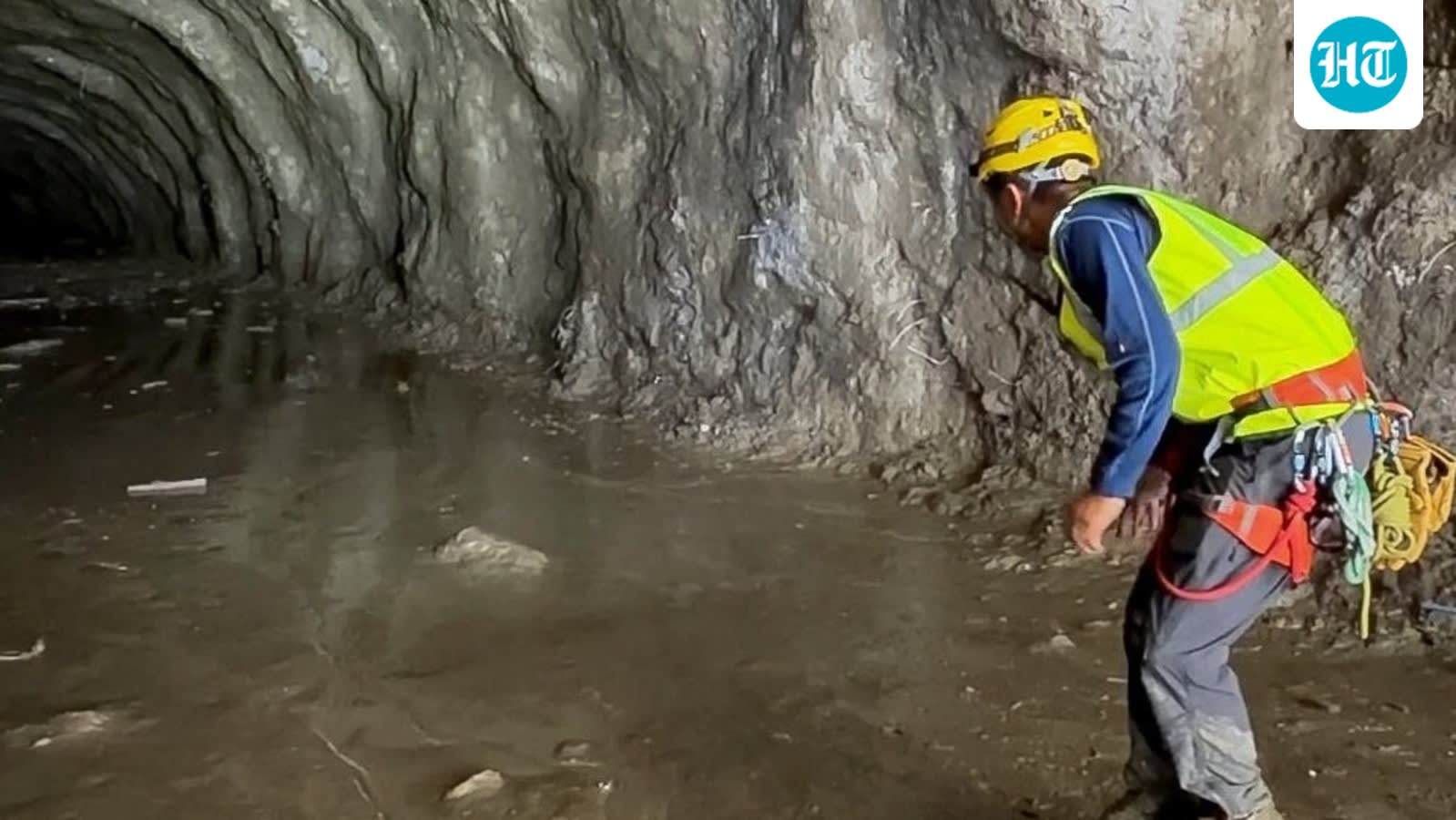
Nepal is seeking climate compensation from major nations following a devastating glacier collapse that killed over 1,100 people. Scientists identified clear warning signs days before the disaster, highlighting the urgent need for better transboundary monitoring systems.
The Himalayan Tragedy: A Failure of Early Warning Systems
The recent catastrophic glacier collapse along the Nepal-China border, which claimed over 1,100 lives, has brought the precarious nature of Himalayan geography into sharp focus. According to findings from the HiRISK scientific consortium, this tragedy was not entirely unpredictable. Scientists have identified distinct 'pre-event indications' that manifested days before the disaster, including the appearance of brown meltwater and a visible crack propagating into the bedrock slope. These indicators suggest that with robust, operational early warning systems, the loss of life could have been significantly mitigated.
The Need for Transboundary Hazard Management
The disaster highlights a critical gap in regional cooperation regarding transboundary hazard management. Because the instability originated in a remote, high-altitude zone spanning the Nepal-China border, the lack of integrated monitoring allowed the threat to escalate into a 'mountain tsunami' without adequate notice to downstream communities. Experts are now stressing the necessity for comprehensive, cross-border monitoring of glaciers and slopes. Without a unified system of data sharing and hazard assessment between neighboring nations, vulnerable populations remain at the mercy of unpredictable geological shifts.
Shifting the Narrative: From Aid to Justice
In the wake of the destruction, Nepal’s foreign minister, Shisir Khanal, has fundamentally altered the diplomatic discourse surrounding recovery efforts. By explicitly labeling the assistance required as a 'moral liability' rather than charity, Nepal is attempting to shift the global conversation from developmental aid to climate justice. This stance is rooted in the reality that Nepal contributes negligible greenhouse gas emissions yet suffers disproportionately from the consequences of global warming, such as accelerated glacier melt.
Climate Compensation and Global Responsibility
Nepal’s demand for climate compensation from major emitters, including India, China, and the US, underscores the growing friction between developing nations and the global powers driving climate change. Minister Khanal’s argument that Nepal is paying the 'ultimate price' for a global crisis it did not create serves as a poignant reminder of the inequity inherent in climate-related disasters. This move signals a new diplomatic framework that seeks to hold high-emitting nations accountable for the environmental externalities that trigger extreme events in the Himalayas.
Future Trends and Policy Implications
The devastation serves as a grim template for future environmental trends in the Hindu Kush-Himalayan region. As global temperatures continue to rise, the frequency of glacier-related hazards is expected to increase, necessitating an evolution in how nations prepare for such risks. Moving forward, the international community will likely face mounting pressure to formalize climate compensation mechanisms. The Nepal incident may well become a benchmark case for how climate-vulnerable nations leverage international law and moral standing to demand accountability from the global North and major industrial powers.
Multiple Citing Sources
Verification Required?