Data Blindspots, Weak Rules: Inside Delhi's Annual Battle For Clean Air
Source Entity
NDTV News Search Records Found 1000
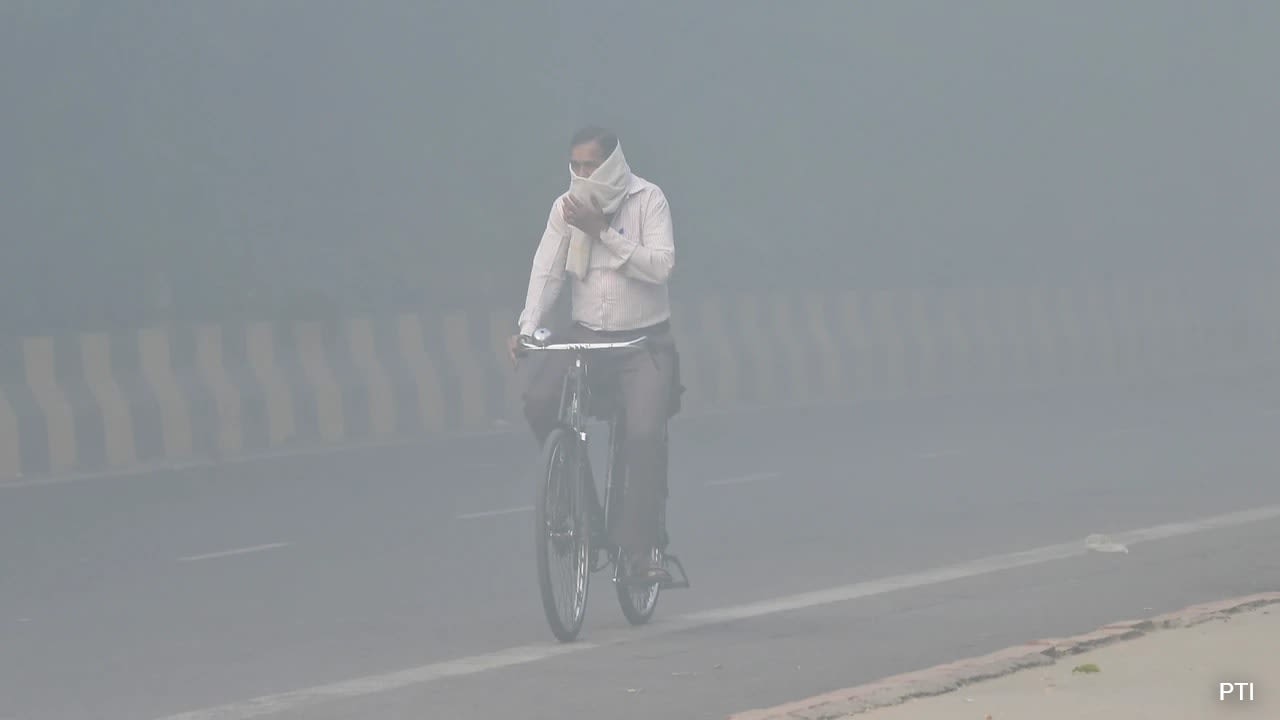
Delhi experienced its fourth-most polluted Diwali since 2016 in 2026. Experts cite ineffective green cracker regulations and systemic data gaps as primary contributors to the city's persistent air quality crisis.
The Persistent Crisis: Delhi's Air Quality Struggles
Delhi’s recurring battle with hazardous air quality reached another grim milestone during Diwali 2026, which recorded the fourth-highest pollution levels observed in the capital since 2016. This recurring phenomenon underscores a systemic failure to mitigate the toxic smog that blankets the city annually, despite various administrative interventions and judicial oversight aimed at curbing the hazardous effects of the festival season.
The Failure of 'Green' Regulations
Central to the ongoing discourse is the efficacy of the so-called 'green crackers.' While these regulations were intended to act as a buffer against the traditional pollution surge, experts have consistently pointed out that these fireworks rarely meet the necessary threshold to significantly reduce atmospheric pollutants. The reliance on these technological stopgaps, without rigorous enforcement or verifiable compliance, has left the capital vulnerable to the same toxic spikes year after year.
Data Blindspots and Policy Gaps
Beyond the hardware of the fireworks themselves, the crisis is exacerbated by what analysts describe as 'data blindspots.' The lack of granular, real-time data regarding the distribution and chemical composition of pollutants during the festival makes it difficult for authorities to design effective localized containment strategies. When policy is divorced from precise atmospheric monitoring, the resulting regulations often lack the teeth required to force behavioral or industrial change.
Historical Context of the Air Quality Battle
Since 2016, Delhi has grappled with an evolving narrative of climate and environmental policy. The fact that 2026 ranks as the fourth most polluted Diwali in a decade suggests that despite a decade of awareness campaigns and legislative attempts to manage firework usage, the baseline for air quality during the festive period has not shifted toward improvement. This stagnation highlights a struggle between cultural practices and the urgent necessity of public health preservation.
Broader Implications and Future Trends
Looking forward, the persistence of these pollution levels suggests that future policy must move beyond simple bans or the promotion of 'green' alternatives that fail to deliver. The trend indicates a need for a shift toward comprehensive, year-round air quality management that addresses the cumulative impact of seasonal events. Without a fundamental recalibration of how the capital manages its environmental footprint during peak pollution periods, Delhi is likely to remain trapped in this cycle of recurring ecological distress.
Conclusion
The data surrounding the 2026 Diwali period serves as a stark reminder that regulatory frameworks are currently insufficient to protect public health in Delhi. As the city continues to face these annual spikes, the emphasis must shift from symbolic gestures to robust enforcement, improved data transparency, and a realistic assessment of what current mitigation strategies can actually achieve.
Verification Required?