Crackers versus vehicles: What really contributes to Delhi's Diwali pollution?
Source Entity
BIJU MATHEW
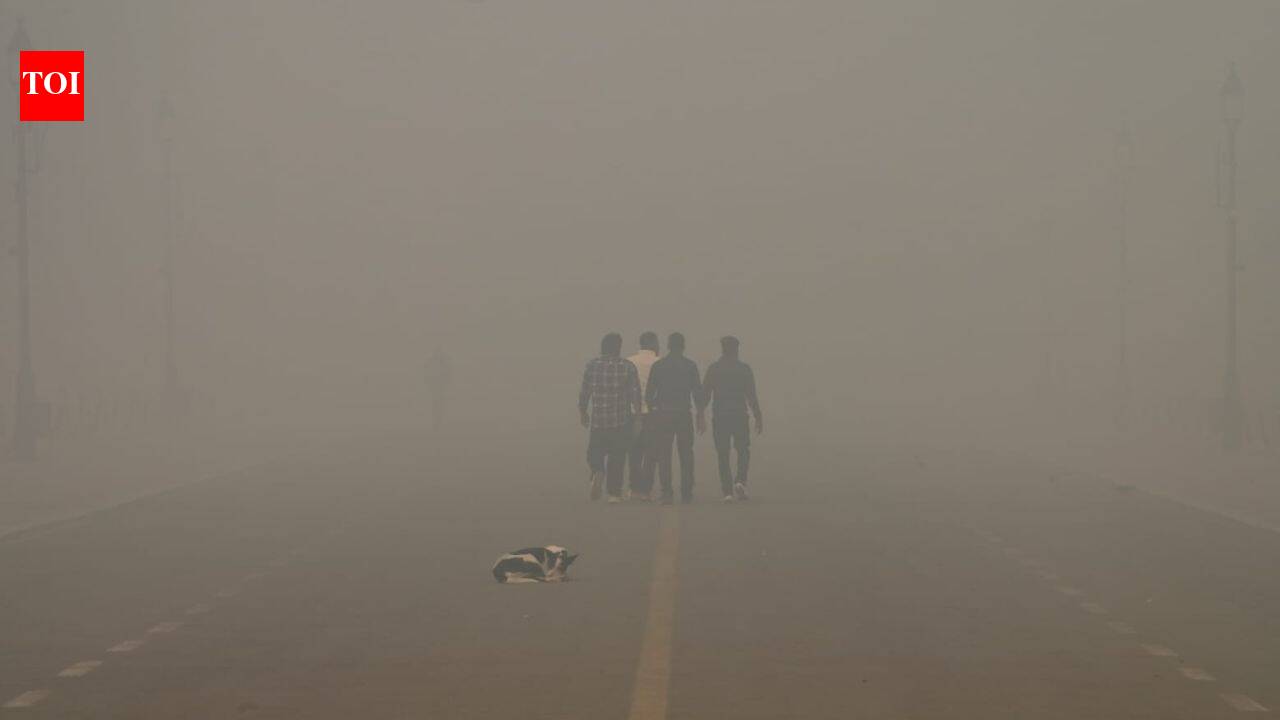
Delhi's air quality has plummeted to a near-severe AQI of 383 on Diwali morning due to firecracker emissions. With 24 monitoring stations reporting severe levels, officials warn that toxic conditions are expected to persist through November 9.
Delhi’s Diwali Dilemma: A Crisis of Toxic Air
Delhi residents woke up to a harrowing reality this Diwali, as the national capital was enveloped in a thick, toxic haze. According to the Central Pollution Control Board (CPCB), the city-wide Air Quality Index (AQI) reached 383 on the morning of November 8. This figure places the city perilously close to the 'severe' category, which begins at an AQI of 401, marking a significant deterioration in public health conditions across the metropolitan area.
The Geography of Pollution
The distribution of pollutants is not uniform, creating localized pockets of extreme toxicity. Data from the Sameer app and CPCB monitoring stations reveal that 24 of the city’s 54 stations have already crossed into the 'severe' classification. Jahangirpuri leads this grim list with an AQI of 450, followed closely by Punjabi Bagh (449), R K Puram (448), Bawana (446), and IIT Delhi (445). Even iconic landmarks like India Gate, situated along the Kartavya Path, reported an AQI of 398, underscoring the pervasive nature of the smog.
Impact of Pre-Diwali Activity
While Diwali is the focal point, the current crisis is the culmination of atmospheric conditions compounded by the widespread use of firecrackers on the eve of the festival. Despite the marginal improvements recorded earlier in the week—where the AQI fluctuated from 382 on Friday to 369 on Saturday—the surge in localized emissions has effectively erased those gains. The combination of stagnant air and the heavy release of particulate matter (PM2.5) from crackers has created a trap for pollutants, preventing dispersal.
Environmental Outlook and Early Warning Systems
The Air Quality Early Warning System (EWS) for Delhi paints a bleak picture for the immediate future. Projections indicate that the air quality is likely to remain entrenched in the 'severe' category through November 8 and 9. This suggests that the current atmospheric stagnation will persist, offering little relief to residents who are already struggling with the immediate health impacts of the toxic haze.
Broader Implications and Future Trends
This annual recurrence of hazardous air quality highlights the chronic struggle Delhi faces in balancing traditional celebrations with public health imperatives. As the city consistently hovers between the 'very poor' and 'severe' categories, the long-term health implications for vulnerable populations, including children and the elderly, remain a critical concern. Moving forward, the trend suggests that without drastic changes in emission patterns and strict enforcement of environmental regulations, the festive season will continue to serve as a catalyst for severe public health emergencies in the capital.
Multiple Citing Sources