How Walkable Is Delhi? Police Booth, Pet Store Among Hurdles On Footpaths In Seelampur
Source Entity
Latest News: Today's Latest News Headlines from India & World | Hindustan Times | Hindustan Times
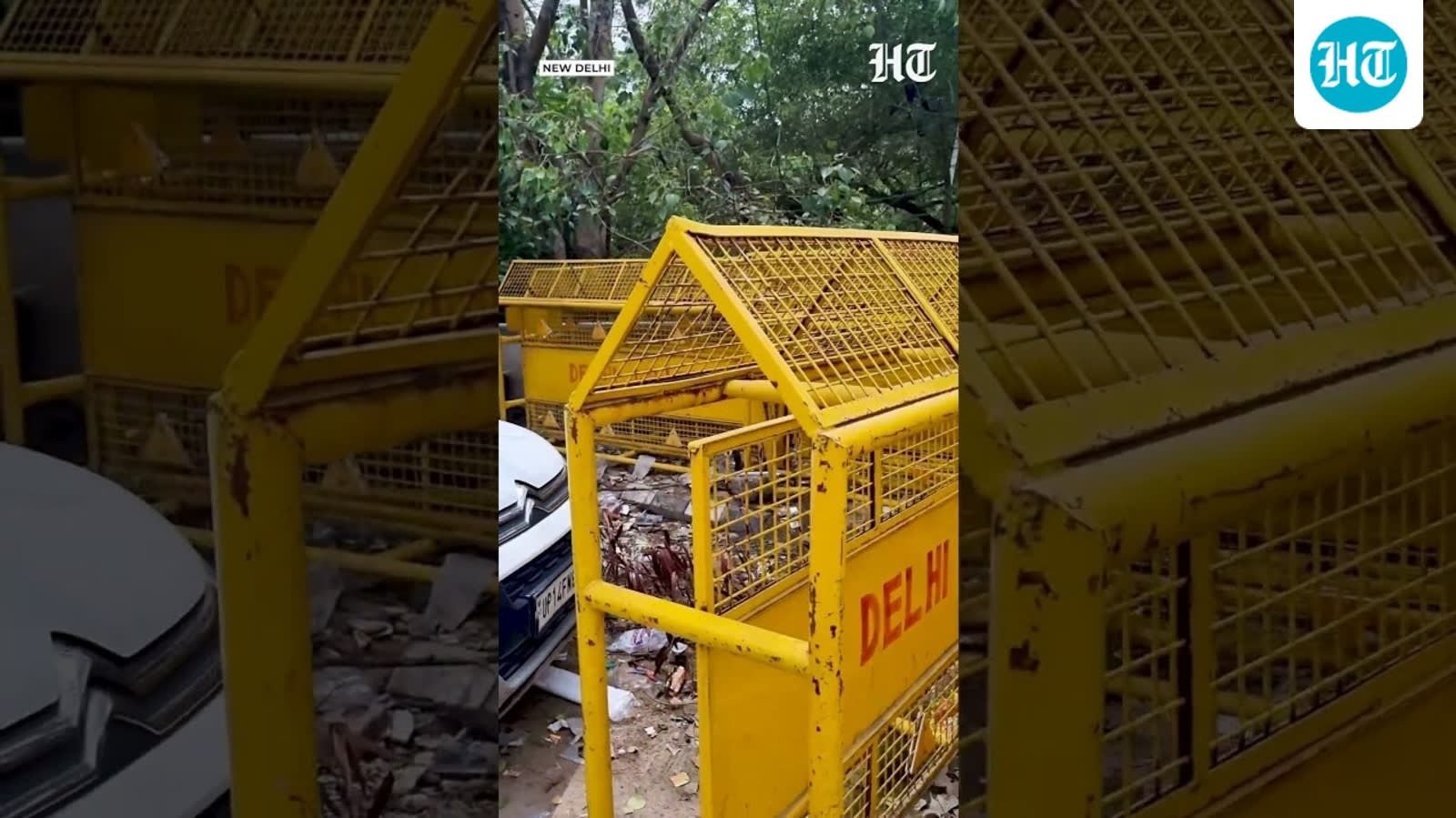
A Hindustan Times special series reveals the critical lack of walkability in Delhi, highlighting dangerous footpath conditions in Dwarka and Seelampur caused by open manholes, poor lighting, and illegal encroachments by businesses and official booths.
The Crisis of Pedestrian Infrastructure in Delhi
Delhi's urban landscape is currently facing a severe walkability crisis, as highlighted by a special investigative series by the Hindustan Times. The report underscores a systemic failure in maintaining basic pedestrian infrastructure, transforming what should be safe conduits for movement into hazardous "obstacle courses." By focusing on areas like Dwarka and Seelampur, the series reveals that the struggle for safe passage is not isolated to one neighborhood but is a pervasive issue across the national capital. The presence of open manholes and uncovered drains represents a critical failure in municipal maintenance, posing immediate physical threats to citizens.
The Paradox of Institutional Encroachment
One of the most striking revelations in the report is the nature of the hurdles blocking the footpaths. While illegal vending is a common urban challenge, the mention of "police booths" and "pet stores" occupying pedestrian spaces points to a deeper governance paradox. When the very institutions tasked with maintaining law and order or regulated businesses contribute to the obstruction of public rights-of-way, it signals a collapse of enforcement and urban discipline. This institutional encroachment suggests a culture of impunity where public space is appropriated for private or official convenience, forcing pedestrians into the main carriage-way and increasing the risk of road accidents.
Nighttime Vulnerability and Safety Hazards
Beyond the physical obstructions, the report emphasizes the terrifying conditions pedestrians face after dark. The combination of poor street lighting and uncovered drains creates a lethal environment. In urban planning, "lighting" is not merely a utility but a primary safety feature that prevents crime and accidents. In Dwarka, the lack of adequate illumination turns existing potholes and open manholes into invisible traps. This lack of safety disproportionately affects vulnerable populations, including women, the elderly, and the differently-abled, who are forced to navigate these treacherous paths under the cover of darkness.
The Broader Implications for Urban Mobility
This situation reflects a broader failure in Delhi's approach to "last-mile connectivity." While the city has invested heavily in Metro rail and flyovers, the most basic unit of transport—walking—has been neglected. When footpaths are ruined by illegal parking and encroachments, the city fails to support a sustainable, low-carbon mobility model. The resulting chaos forces more people toward motorized transport, further congesting the roads and increasing pollution. The state of the walkways in Seelampur and Dwarka serves as a microcosm of a city that prioritizes vehicular flow over human movement.
Potential Trends and Necessary Reforms
Looking forward, unless there is a coordinated effort between the Municipal Corporation of Delhi (MCD) and the Public Works Department (PWD), the walkability of the capital will continue to deteriorate. Future urban trends suggest a move toward "15-minute cities" where essential services are reachable by foot; however, Delhi's current trajectory is moving in the opposite direction. To rectify this, the city requires a strict audit of all pedestrian zones, the immediate removal of institutional encroachments, and a digitized reporting system for open manholes to ensure rapid repair.
Summary of Findings
In conclusion, the report paints a grim picture of Delhi's pedestrian environment. The transition from footpaths to "obstacle courses" in areas like Dwarka and Seelampur is the result of negligent maintenance and unchecked encroachment. By allowing police booths and commercial stores to occupy walkways, the city has effectively marginalized the pedestrian, creating a dangerous urban environment that prioritizes convenience for a few over the safety of the many.
Verification Required?