Twin-tower at ITO: Delhi Government’s plan for new Secretariat building
Source Entity
Gayathri Mani
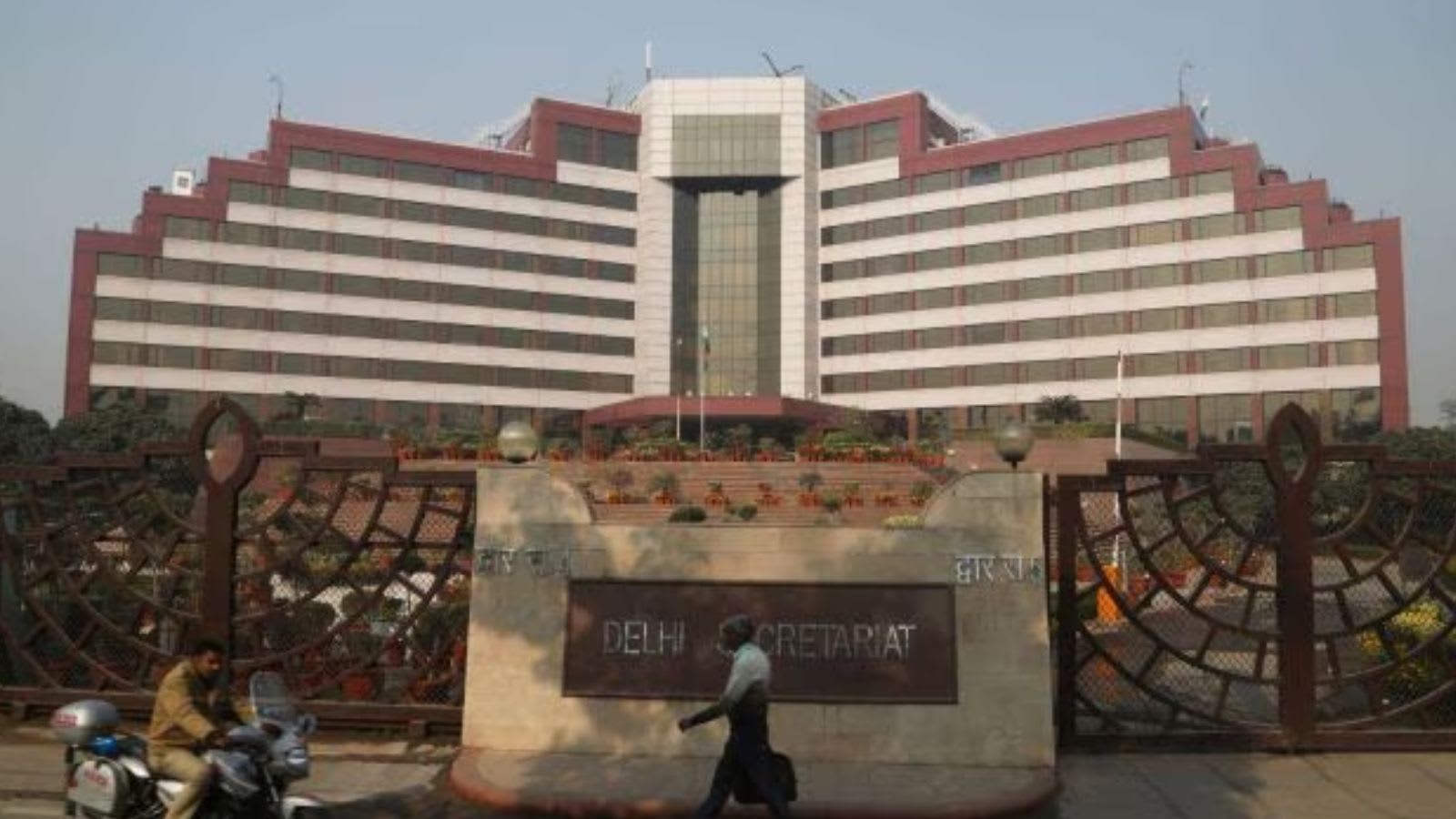
The Delhi government has shortlisted the ITO area to construct a new, modern Secretariat complex. This green-certified, high-rise project aims to replace the current 'Players Building,' which was declared seismically unsafe in 2023.
The Future of Governance: Delhi’s New Secretariat Vision
The Delhi government has reached a pivotal decision in its year-long search for a new administrative headquarters, selecting the ITO area for the construction of a landmark Secretariat complex. By looking toward the architectural success of iconic twin-tower developments in Singapore and Malaysia, the administration aims to modernize its infrastructure while centralizing governance operations within the National Capital Territory.
Addressing Structural Vulnerability
This move is driven by critical necessity rather than mere aesthetic ambition. The existing Delhi Secretariat, known historically as the 'Players Building,' was originally constructed to house athletes during the 1982 Asian Games. However, a 2023 structural integrity study conducted by the Public Works Department (PWD) concluded that the current facility is seismically unsafe. This finding underscored the urgent need for a replacement that adheres to modern safety standards and disaster-resilient building codes.
Architectural Innovation and Sustainability
The proposed design vision draws heavy inspiration from international high-rise standards, featuring a structure spanning 30-35 floors. Crucially, the administration has committed to making this a 'green building.' By integrating advanced rainwater harvesting systems and comprehensive solar power arrays, the project represents a significant shift toward sustainable urban development in one of India's most congested and climate-sensitive cities.
Strategic Location and Urban Planning
Remaining in the ITO area ensures that the government maintains its administrative foothold in the heart of Delhi. The IP Estate location has long served as the nerve center for the government of the National Capital Territory. By redeveloping within this footprint, the government minimizes the disruption of shifting massive bureaucratic operations to peripheral areas, ensuring continuity in public service delivery.
Broader Implications and Future Trends
The development of these twin towers signals a broader trend toward vertical growth and energy-efficient public infrastructure in India’s capital. As Delhi faces increasing pressure from population density and environmental challenges, the shift toward high-capacity, self-sustaining government complexes could serve as a blueprint for future state-level urban renewal projects, balancing the needs of a growing administration with the imperative of environmental responsibility.
Conclusion
While the project is still in the planning stages, the selection of the ITO site marks a definitive step forward. By prioritizing seismic safety and sustainable technology, the Delhi government is positioning itself to replace an aging, repurposed sports facility with a state-of-the-art hub designed to meet the demands of modern governance for decades to come.