1 in 10 government school buildings in Delhi ‘unsafe’, ‘dangerous’; seven may be razed soon
Source Entity
Gayathri Mani
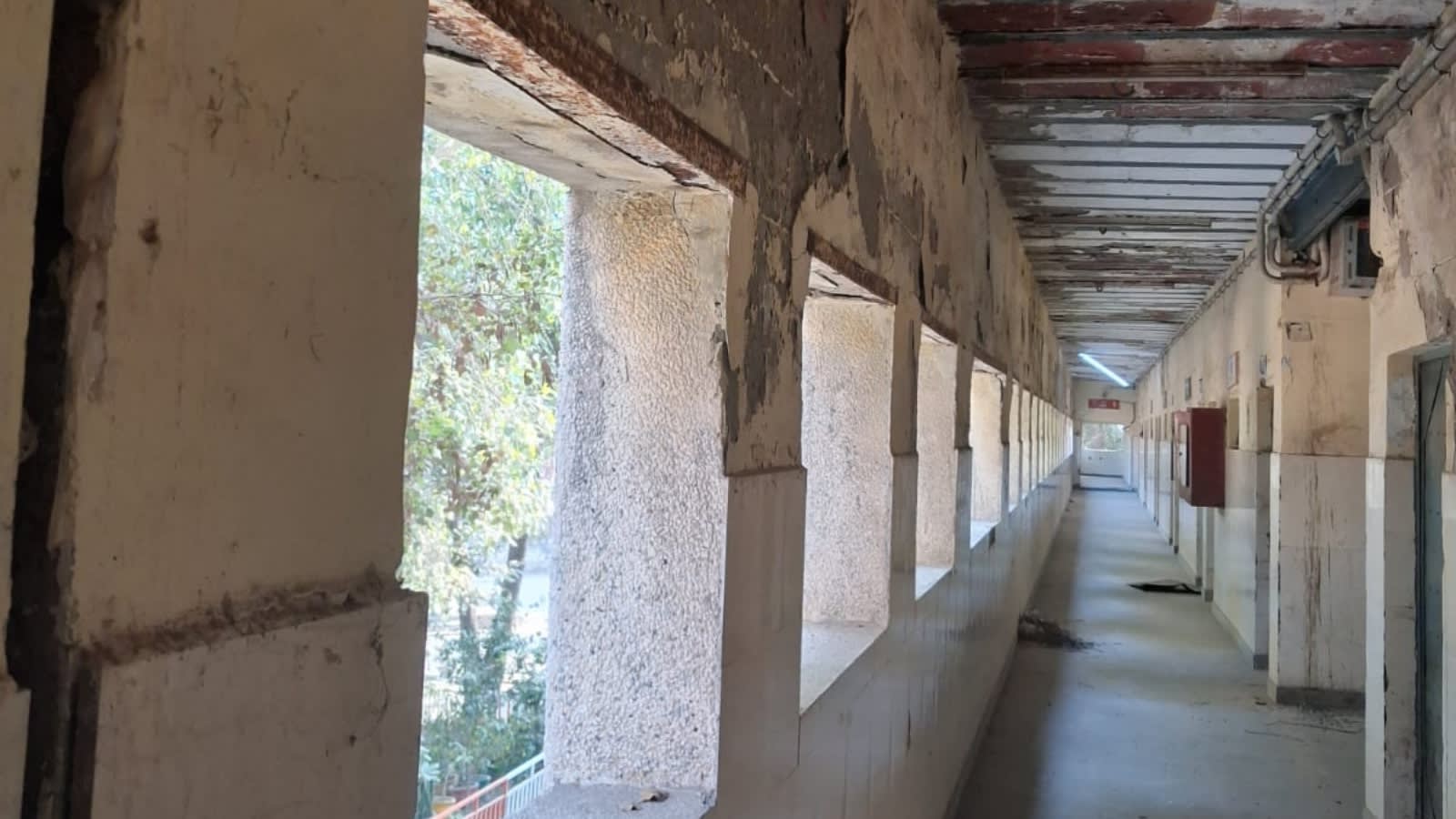
The Delhi government has identified 108 government school buildings as 'unsafe' and 'dangerous,' representing approximately 10% of the capital's school infrastructure. Structural audits have been ordered, and seven of these buildings are slated for imminent demolition to ensure student safety.
Crisis in Infrastructure: Analyzing the Safety Risks of Delhi's Government Schools
The recent revelation that approximately one in ten government school buildings in Delhi have been classified as "unsafe" and "dangerous" is a stark indicator of a looming infrastructure crisis within the capital's public education system. With 108 buildings identified as hazardous, the Delhi government is now facing the urgent task of balancing student safety with the continuity of education. The announcement that seven of these structures may be razed in the immediate future underscores the severity of the degradation, suggesting that some buildings have passed the point of viable repair.
The Scale of Structural Decay
Identifying 108 buildings as dangerous reveals a systemic failure in the maintenance and upkeep of public assets. When roughly 10% of a city's educational infrastructure is deemed unfit for use, it suggests that the decay is not isolated to a few outliers but is a widespread issue. These structural vulnerabilities often stem from a combination of aging materials, inadequate drainage leading to seepage, and the pressures of over-capacity usage. The classification of "dangerous" implies that these buildings may pose an immediate risk of partial or total collapse, making the government's decision to initiate structural audits a critical safety necessity.
Immediate Interventions and the Demolition Process
The decision to potentially raze seven buildings immediately highlights a triage-based approach to safety. By prioritizing the most critical failures, the government is attempting to mitigate the highest risks first. However, the requirement for comprehensive structural audits before demolition is a necessary legal and engineering safeguard. These audits ensure that the demolition process itself does not endanger surrounding structures or the public. This phase is crucial because it determines whether a building is truly beyond salvage or if strategic retrofitting could extend its life, though the current outlook for these seven buildings suggests the latter is unlikely.
Implications for Student Learning and Logistics
The removal or closure of over a hundred school buildings creates a massive logistical challenge for the Delhi education department. Each "unsafe" building represents hundreds, if not thousands, of students who must be relocated. This displacement often leads to overcrowded classrooms in neighboring schools or the reliance on temporary prefabricated structures, which can negatively impact the quality of the learning environment. The psychological impact on students and teachers operating in buildings known to be "dangerous" cannot be overlooked, as it creates an atmosphere of anxiety that is counterproductive to academic achievement.
Historical Context and Urban Challenges
Delhi's public infrastructure often struggles with the tension between rapid urban expansion and the preservation of older assets. Many of these government schools were constructed decades ago under different building codes and with materials that may not have withstood the environmental stressors of the city, such as extreme heat and heavy monsoon rains. Historically, budget allocations have frequently favored the creation of new facilities over the rigorous maintenance of existing ones, leading to a cycle of neglect that eventually results in the "unsafe" designations seen today.
Future Trends: Toward a Sustainable Infrastructure Model
Moving forward, this crisis necessitates a shift from reactive demolition to proactive lifecycle management. The Delhi government will likely need to implement a digitized structural health monitoring system to track the condition of all school buildings in real-time, preventing them from reaching a "dangerous" state. We can expect a trend toward "green" and modular school designs that are easier to maintain and more resilient to environmental degradation. The current crisis serves as a catalyst for a broader policy overhaul regarding how public educational spaces are audited and funded.
Conclusion
The identification of 108 unsafe school buildings is a sobering reminder that the quality of education is inextricably linked to the safety of the physical environment. While the planned demolition of the seven most critical buildings is a necessary step for immediate harm reduction, the broader challenge lies in rehabilitating the remaining 101 hazardous sites. Prioritizing the structural integrity of these institutions is not merely a matter of urban planning, but a fundamental obligation to ensure the right to a safe education for the children of Delhi.