ACP Vivek Bhagat case: HC refuses urgent hearing on journalist’s arrest protection plea
Source Entity
PRIYANKA JAISWAL
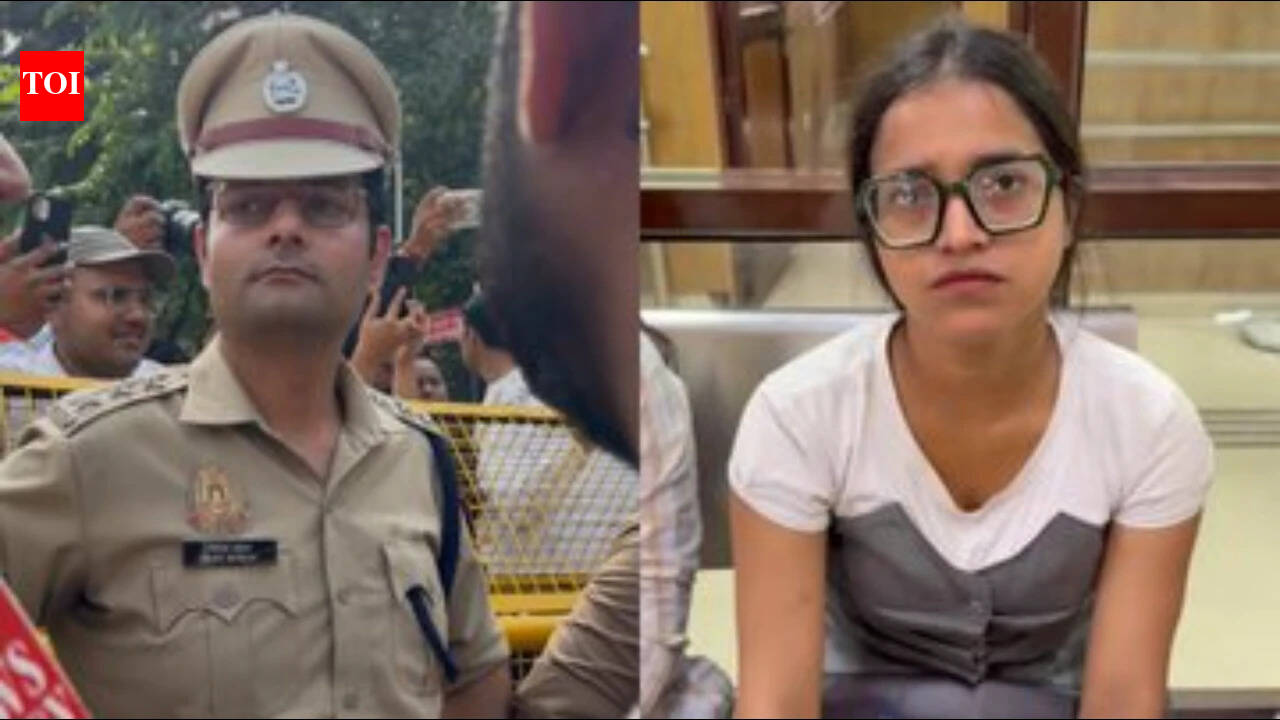
The Delhi High Court has deferred an urgent hearing for a journalist seeking protection from arrest. The case involves charges under the SC/ST Act following a complaint by ACP Vivek Bhagat.
Legal Standoff: Delhi High Court and the ACP Vivek Bhagat Case
The Procedural Delay
The Delhi High Court recently declined an urgent request for the listing of a plea filed by a woman journalist seeking interim protection from arrest. The matter, which involves a legal complaint lodged by Delhi Police ACP Vivek Bhagat, was brought before a division bench comprising Acting Chief Justice Nitin Wasudeo Sambre and Justice Sanjay Sharma. By deferring the hearing to the following day, the court maintained its standard procedural rigor, signaling that the petition did not meet the immediate threshold for emergency intervention required for an out-of-turn listing.
Understanding the Legal Framework: The SC/ST Act
At the heart of this controversy is the Scheduled Castes and Scheduled Tribes (Prevention of Atrocities) Act. This legislation is a critical piece of social justice law in India, designed to protect marginalized communities from abuse and discrimination. However, its application in cases involving public officials and media professionals often triggers complex legal debates regarding the threshold for arrests, the preservation of personal liberty, and the potential for misuse. The involvement of an ACP as the complainant adds a layer of institutional weight to the proceedings, necessitating a careful judicial balancing act.
The Role of Media and Press Freedom
The case highlights the ongoing tension between law enforcement agencies and members of the press. When journalists find themselves as subjects of criminal investigations, particularly under stringent acts like the SC/ST (Prevention of Atrocities) Act, the judiciary is often tasked with determining whether the prosecution is a legitimate exercise of state power or a potential attempt to stifle reporting. The journalist's request for interim protection reflects the broader concern regarding the chilling effect that potential incarceration can have on investigative journalism and the freedom of the press.
Judicial Discretion and Due Process
The decision by the Delhi High Court to defer the hearing underscores the judiciary's role in maintaining due process. By refusing an urgent hearing, the court avoids making snap judgments, ensuring that both the complainant’s allegations and the petitioner’s defense are weighed appropriately during a scheduled session. This approach prevents the court from being rushed into granting or denying relief without a comprehensive review of the case records, which is essential when the charges involve sensitive statutory provisions.
Broader Implications and Future Trends
This case serves as a microcosm of the evolving relationship between the executive branch and the Fourth Estate in India. As legal battles involving high-ranking police officials and media personnel become more frequent, the courts are increasingly becoming the final arbiter of where the line is drawn between statutory enforcement and the protection of civil rights. Future trends suggest that the judiciary will continue to face pressure to provide clear guidelines on the necessity of arrests in non-heinous cases, particularly when they involve public interest reporting.
Conclusion
Ultimately, the deferment of the journalist's plea is a procedural step that ensures the stability of the legal process. As the Delhi High Court prepares to hear the arguments on Friday, the focus will remain on whether the evidence presented warrants the extraordinary protection against arrest. This case remains a significant point of interest for legal scholars and media observers alike, as it tests the boundaries of the SC/ST Act and the constitutional safeguards afforded to the press.