Trump administration steps up visa fraud scrutiny, says American workers must get ‘a fair shot at good-paying jobs’
Source Entity
Latest News: Todays Latest News Headlines from India & World | Hindustan Times | Hindustan Times
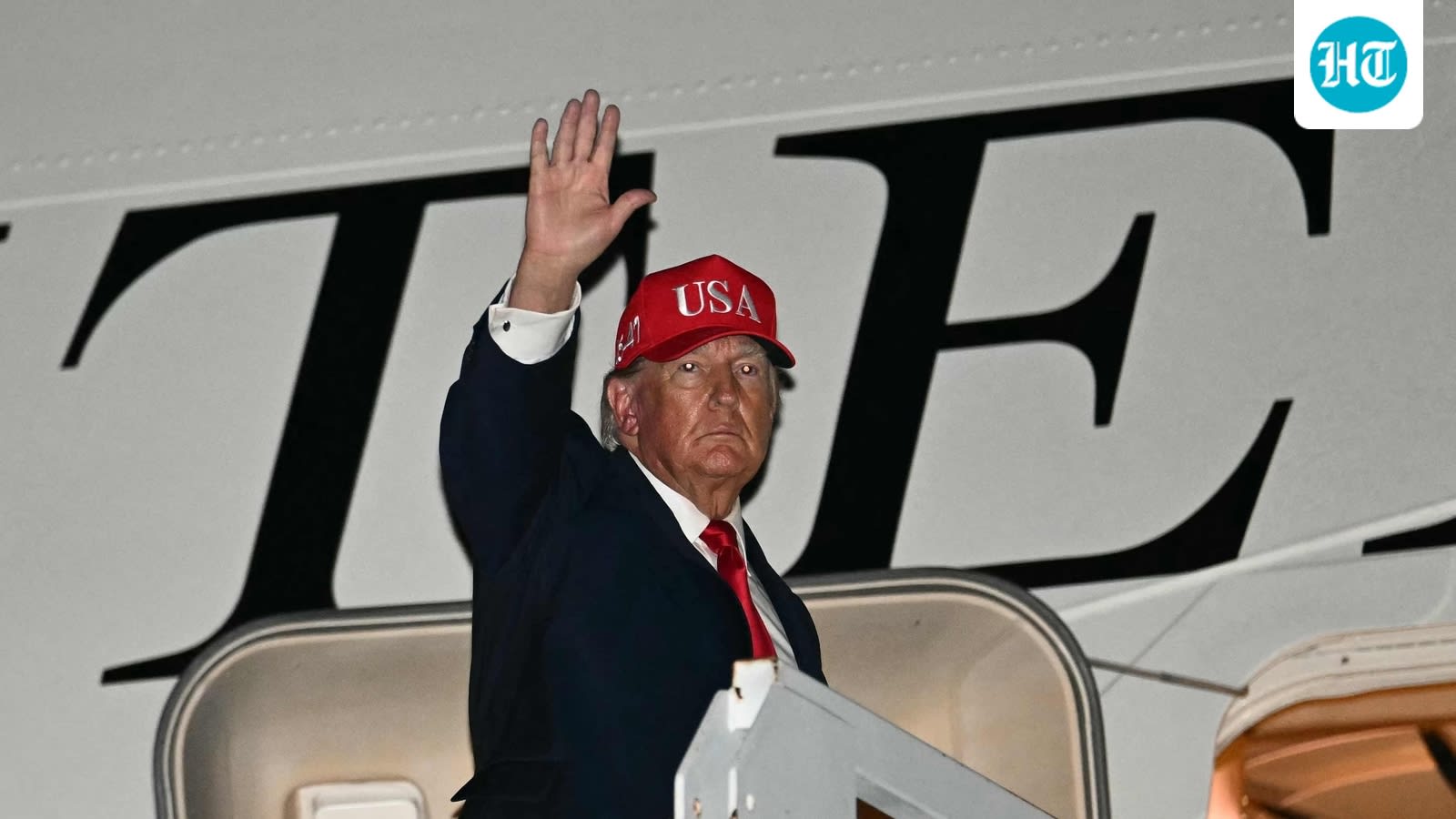
The Trump administration has proposed ending the policy of deferring to prior H-1B approvals, potentially increasing scrutiny and uncertainty for visa renewals. This move, aimed at curbing alleged misuse by tech firms, coincides with legal battles over the termination of automatic work permit extensions.
The Shifting Landscape of H-1B Visa Renewals
The U.S. Department of Homeland Security (DHS) has introduced a significant proposal that threatens to alter the stability of the H-1B visa program. By seeking to eliminate the long-standing policy of 'deference' to prior approvals, the administration aims to grant U.S. Citizenship and Immigration Services (USCIS) officers the authority to conduct de novo reviews of every petition, regardless of whether the applicant has been previously vetted and approved for the same role.
Implications for Indian IT Professionals
Indian IT professionals, who represent a significant portion of the H-1B workforce, are expected to face the brunt of this policy change. Historically, the principle of deference provided a level of predictability for visa holders seeking extensions, as USCIS generally accepted previous findings of eligibility. Removing this requirement introduces a layer of bureaucratic volatility, as each renewal could be treated as a new, high-scrutiny application, potentially leading to increased Requests for Evidence (RFEs) and longer processing times.
Policy Goals and Economic Context
This proposal is framed by the administration as a necessary measure to reform the H-1B program, specifically targeting concerns that technology corporations misuse the system to displace American workers. By mandating a full reassessment of each petition, the government intends to tighten oversight and ensure that employment-based visa holders strictly adhere to the terms of their status, effectively placing the burden of proof back on the employer and the employee during every renewal cycle.
The Legal Tug-of-War
The tension regarding visa administration is further exacerbated by concurrent legal challenges. A recent California federal court ruling highlighted the procedural shortcomings of the administration’s efforts to restrict immigration benefits, specifically regarding the termination of automatic work permit extensions. While the court provided a narrow reprieve for seven specific plaintiffs, it underscored that the DHS failed to adequately justify bypassing public notice and comment procedures, signaling a broader judicial skepticism toward abrupt policy changes.
Future Outlook and Administrative Hurdles
As the proposal remains open for public comment until November 13, 2026, the tech sector and immigration advocates are bracing for a period of heightened administrative friction. Should this rule be finalized, the shift from a 'deference' model to an 'independent review' model could fundamentally reshape talent retention strategies for multinational corporations. The broader trend suggests an increasingly restrictive environment where the predictability of the H-1B extension process is being systematically dismantled in favor of rigorous, repetitive verification.
Multiple Citing Sources
Verification Required?