J&K activist, journalist all set to walk out on bail as Delhi HC refuses to stay their release in UAPA case
Source Entity
Sohini Ghosh
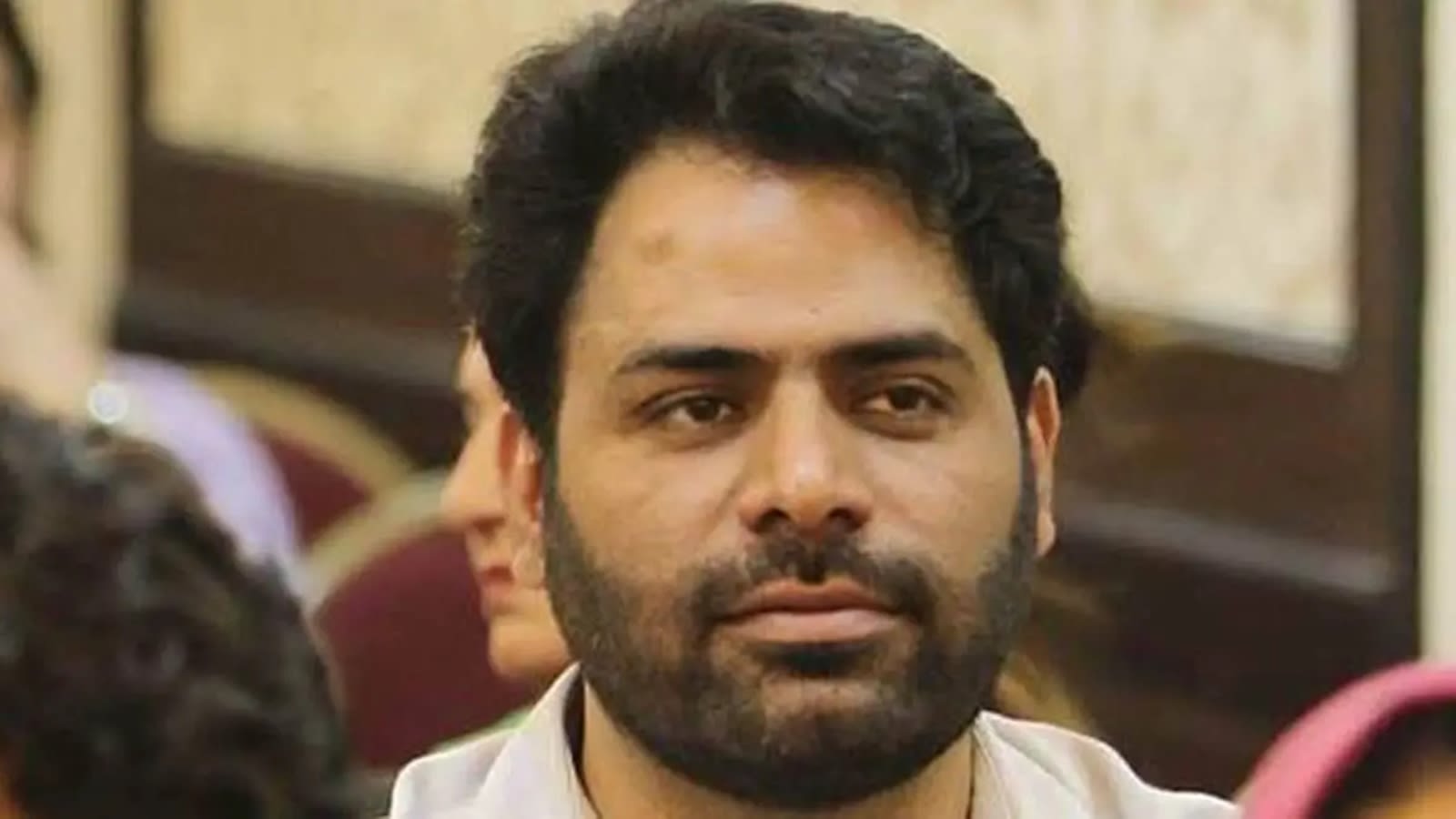
The Delhi High Court has refused to stay the bail granted to Kashmiri activist Khurram Parvez and journalist Irfan Mehraj in a 2020 UAPA case. The court permitted their release while imposing strict conditions, including mandatory twice-weekly reporting to the NIA.
Legal Developments in the UAPA Case
The Delhi High Court recently issued a significant decision regarding the ongoing legal proceedings involving Kashmiri human rights activist Khurram Parvez and freelance journalist Irfan Mehraj. By refusing to stay a trial court’s order from July 18, the High Court has facilitated their release on bail in a case registered under the Unlawful Activities (Prevention) Act (UAPA). This development marks a pivotal moment in a case that has drawn significant attention due to its intersection with national security concerns and civil liberty debates.
The NIA's Position and Judicial Response
The National Investigation Agency (NIA) had sought an immediate stay on the bail order, arguing that the gravity of the offenses involved necessitated continued detention. The agency's counsel contended that the release of the accused could potentially jeopardize national security. However, the High Court’s refusal to grant this stay indicates a judicial threshold that requires more than generalized claims of risk to override the granting of bail, provided that sufficient regulatory conditions are established.
Stringent Bail Conditions
While the court allowed the release, it did not do so without imposing rigorous oversight. The conditions mandated by the High Court are designed to maintain strict control over the movements and activities of the accused. Specifically, both Parvez and Mehraj are required to report to the NIA headquarters in New Delhi twice a week. Furthermore, the court has explicitly prohibited them from engaging in any activities that mirror those which formed the basis of the original charges, ensuring ongoing compliance with the law.
Contextualizing the UAPA
The UAPA is one of India's most stringent anti-terror legislations, designed to provide the state with broad powers to combat threats to sovereignty and security. Cases brought under this act often undergo prolonged judicial scrutiny, as courts balance the state's interest in preventing terrorism with the constitutional rights of the individual. The current case involving Parvez and Mehraj serves as a reflection of the complexities inherent in applying such legislation to individuals involved in journalism and human rights activism.
Broader Implications for Legal Discourse
This ruling highlights the evolving nature of bail jurisprudence in sensitive cases. By opting for conditional release rather than continued incarceration, the court appears to be emphasizing the importance of monitoring over detention. This approach serves as a precedent for how the judiciary may handle similar high-stakes cases in the future, where the balance between national security and personal liberty remains a subject of intense legal and public discussion.
Future Trends and Judicial Oversight
Moving forward, the adherence to these bail conditions will be closely watched by legal observers. The requirement for regular reporting to the NIA suggests that the judiciary intends to maintain a tight grip on the proceedings even while the accused are outside of jail. As the trial progresses, the effectiveness of these conditions in addressing the NIA’s security concerns while upholding the legal rights of the accused will likely continue to shape the narrative surrounding the use of the UAPA in the region.