Plea seeks crackdown on fake paneer in Delhi: ‘Linked to our sentiments’
Source Entity
Sohini Ghosh
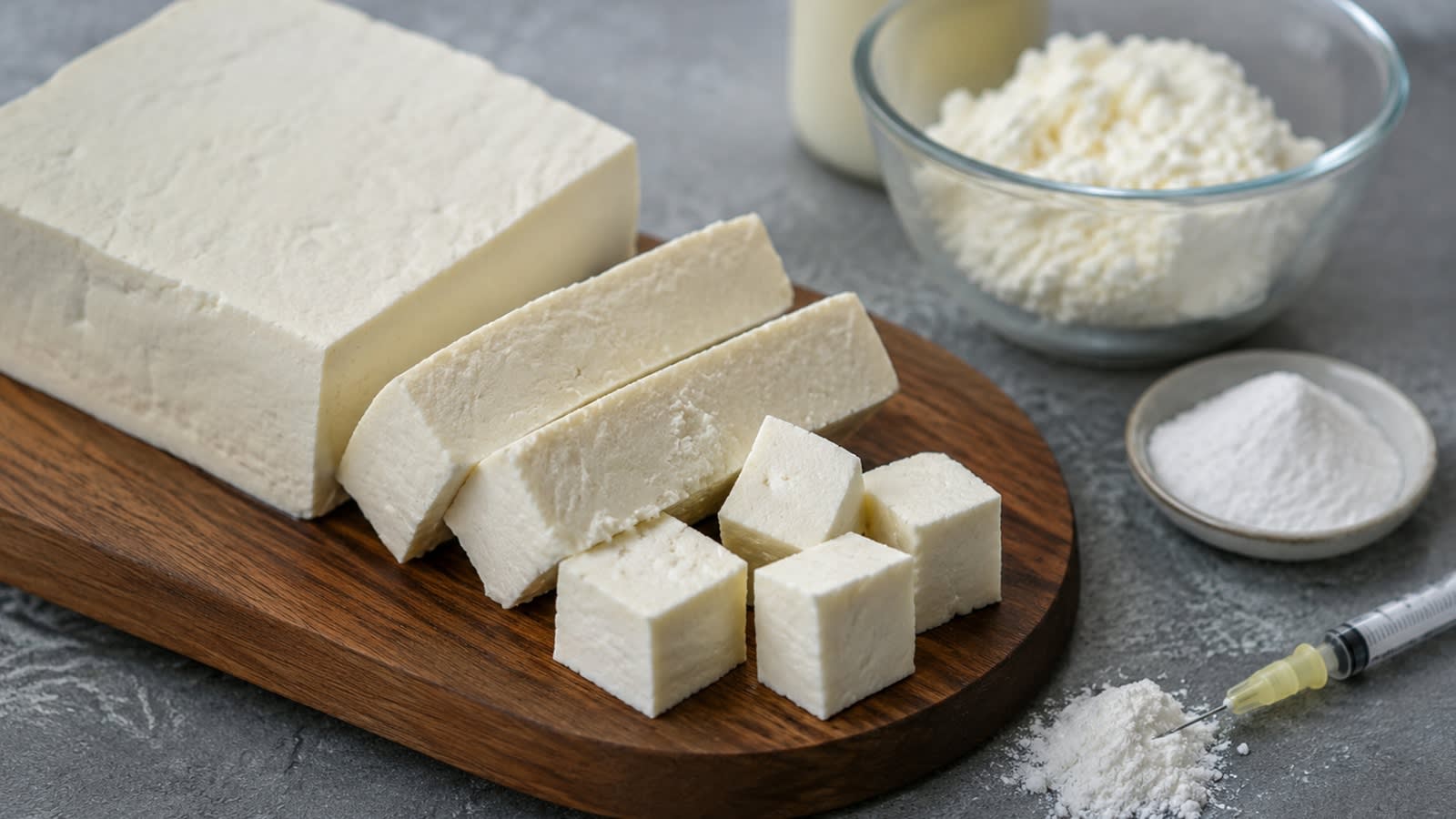
The Delhi High Court has issued notices to the FSSAI and government authorities regarding a PIL against the sale of non-dairy, synthetic paneer. Petitioners argue these analogues deceive consumers and lack the nutritional value of genuine dairy products.
Protecting Culinary Integrity: The Delhi High Court Intervenes on 'Fake' Paneer
The Legal Challenge
In a significant move ahead of India's peak festive season, the Delhi High Court has taken cognizance of a Public Interest Litigation (PIL) concerning the proliferation of non-dairy, synthetic 'paneer' analogues being sold to unsuspecting consumers. Filed by law student Ridhima Singh and advocate Avlokiteshwar Padmapani Sidharth, the petition highlights a growing concern over food safety and consumer transparency. The petitioners contend that these 'analogue' products, which utilize non-milk ingredients, are frequently marketed under the guise of traditional paneer, effectively misleading the public regarding the nutritional value and authenticity of their food.
Sentiments and Standardization
Beyond the mere mechanics of food labeling, the petitioners emphasized that paneer and chhena are deeply embedded in Indian cultural and religious practices. As essential components of prasad (religious offerings) and festive cuisine, the integrity of these products is linked to the sentiments of millions. The petition argues that the current regulatory environment is failing to distinguish between genuine, standardized dairy paneer and industrial substitutes. By masking non-dairy analogues as real paneer, the market creates a deficit in both nutritional quality and cultural trust.
Regulatory Scrutiny and the FSSAI
A division bench comprising Acting Chief Justice Nitin W. Sambre and Justice Sanjay Singh has formally issued notices to the Food Safety and Standards Authority of India (FSSAI), the central government, and the Delhi government. While the court declined to grant immediate interim relief, it has mandated that the authorities respond to the allegations within six weeks. This response is critical, as the FSSAI is the primary body tasked with enforcing food safety standards and preventing the adulteration of dairy products.
Lessons from Maharashtra
The petitioners have drawn direct inspiration from regulatory actions taken in Maharashtra, where authorities previously implemented specific measures to curb the sale of misbranded dairy products. By citing these precedents, the legal team is urging the Delhi administration to adopt a more rigorous enforcement framework. The reliance on official government records, public surveys, and previous judicial orders underscores the systematic nature of the problem, suggesting that the sale of synthetic paneer is not an isolated incident but a widespread industry practice.
Broader Implications and Future Trends
As the food industry continues to innovate, the line between 'analogue' food products and traditional staples is becoming increasingly blurred. The outcome of this case will likely set a major precedent for how India regulates food labeling for plant-based or synthetic substitutes. Should the court mandate stricter disclosure requirements or a crackdown on the mislabeling of these products, it could signal a shift toward more stringent oversight of the entire dairy-alternative sector, ensuring that consumers are fully informed about whether their food is derived from animal milk or industrial substitutes.
Concluding Summary
The Delhi High Court’s intervention represents a vital check on the food industry's transparency, specifically targeting the sale of non-dairy analogues as authentic paneer. With the FSSAI now required to provide a formal stance, the focus shifts to whether current food safety laws are robust enough to protect consumers during the high-demand festive season and beyond.