Anti-drug activist’s murder: Mansa authorities raze chemist’s house, mob torches shop
Source Entity
Latest News: Todays Latest News Headlines from India & World | Hindustan Times | Hindustan Times
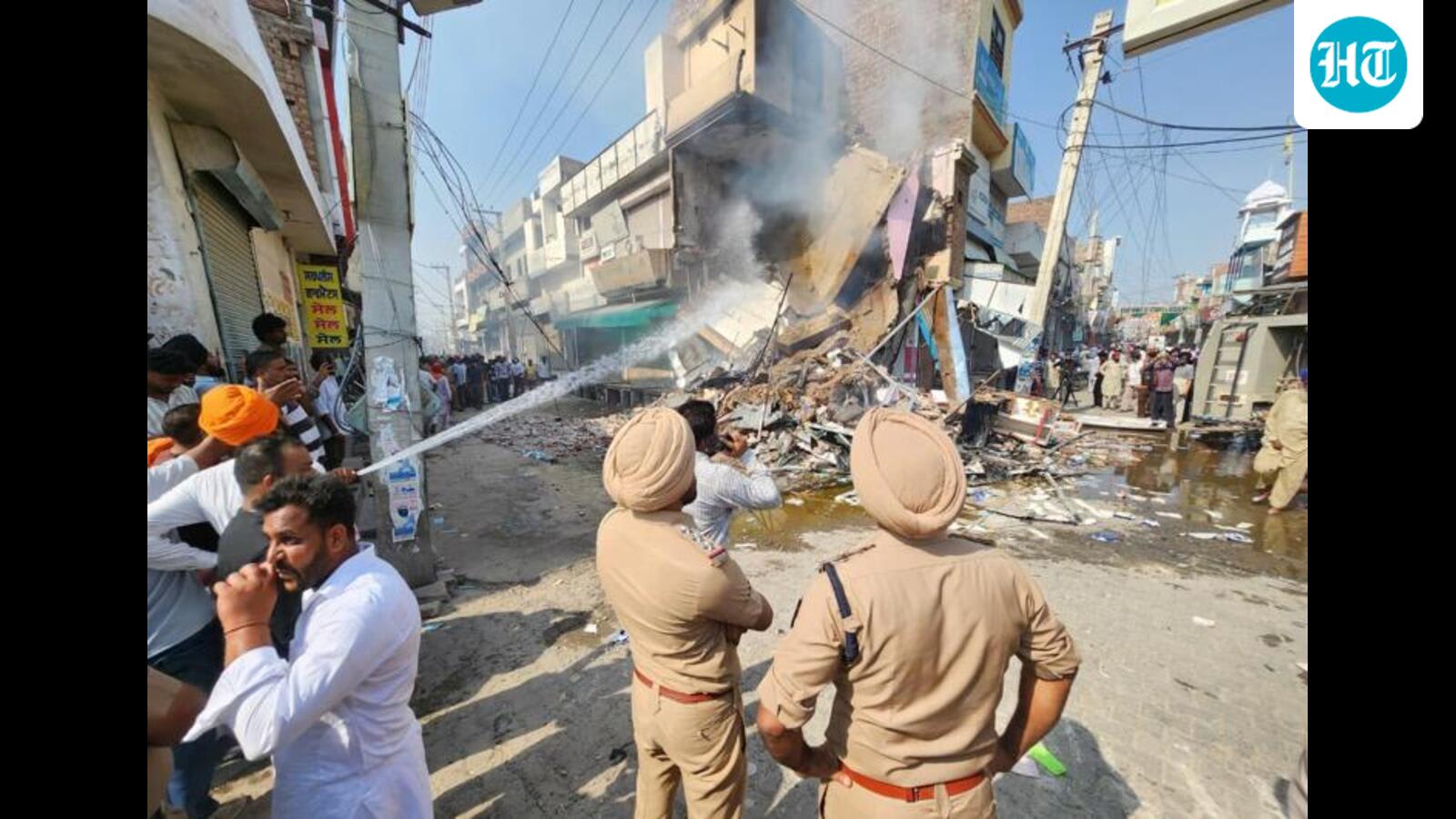
Anti-drug activist Parvinder Singh Jhota was shot dead in Punjab's Mansa district while filming a sting operation against a medical store owner. The incident has triggered massive public protests and intense political scrutiny of the state's law and order situation.
The Tragic Killing of Parvinder Singh Jhota: A Crisis in Punjab
The recent murder of Parvinder Singh Jhota, an anti-drug activist in Punjab’s Mansa district, has ignited a firestorm of public outrage and political instability. Jhota, who had long been vocal about the proliferation of synthetic drugs and intoxicating pills sold through local medical stores, was killed in broad daylight while conducting a sting operation. The confrontation, which was captured on his own mobile device, resulted in his death after the accused, a medical store owner named Ashwani Kumar, allegedly opened fire during a heated exchange.
The Anatomy of an Activist's Last Stand
Jhota’s method of activism involved direct engagement with those he suspected of fueling the state’s drug menace. On the Tuesday morning of the incident, he was documenting the illegal sale of prohibited substances when the situation escalated rapidly. Despite attempting to escape after being struck by a bullet, Jhota succumbed to his injuries before reaching the Mansa Civil Hospital. The availability of video evidence, which has since circulated online, provides a harrowing account of the moments leading up to his death, showing the clear transition from verbal confrontation to lethal violence.
Impact on Law and Order in Punjab
This incident has placed the Aam Aadmi Party (AAP) government under immense pressure, as opposition parties and local residents demand accountability for the state’s “deteriorating” security environment. The fact that an individual performing a civic duty was murdered in such a public manner highlights the perceived impunity enjoyed by those involved in the illicit drug trade. The subsequent refusal of Jhota’s family to cremate his body until justice is served underscores the deep-seated frustration felt by the community regarding the state’s inability to curb the drug epidemic.
The Role of Medical Stores in the Drug Crisis
For years, activists like Jhota have pointed to the unregulated sale of medicinal drugs as a primary driver of Punjab’s addiction crisis. These establishments often bypass legal protocols to supply synthetic substances to vulnerable populations. By targeting these specific points of sale, Jhota had become a significant thorn in the side of local illicit networks, making him a primary target for those whose business models rely on the exploitation of addiction.
Political and Social Repercussions
As police teams work to apprehend the suspect who fled the scene, the political fallout continues to mount. The event has transcended a mere criminal case, evolving into a symbol of the broader struggle between civil society activists and entrenched criminal elements within the region. The tragedy has forced a national conversation on the safety of whistleblowers and the efficacy of current drug enforcement strategies in border states like Punjab.
Looking Ahead: Policy and Enforcement
Moving forward, the pressure on the Punjab government to overhaul its oversight of pharmaceutical commerce will likely intensify. The incident serves as a grim reminder that without robust protection for activists and stricter enforcement against the supply chain of illicit substances, the cycle of violence is likely to continue. The public’s demand for swift justice in the Jhota case will serve as a litmus test for the state’s commitment to restoring law and order.
Multiple Citing Sources
Verification Required?