Booking Open 3 Days This Year. Why Delhi's Ramlila Maidan Is A Costly Affair
Source Entity
NDTV News Search Records Found 1000
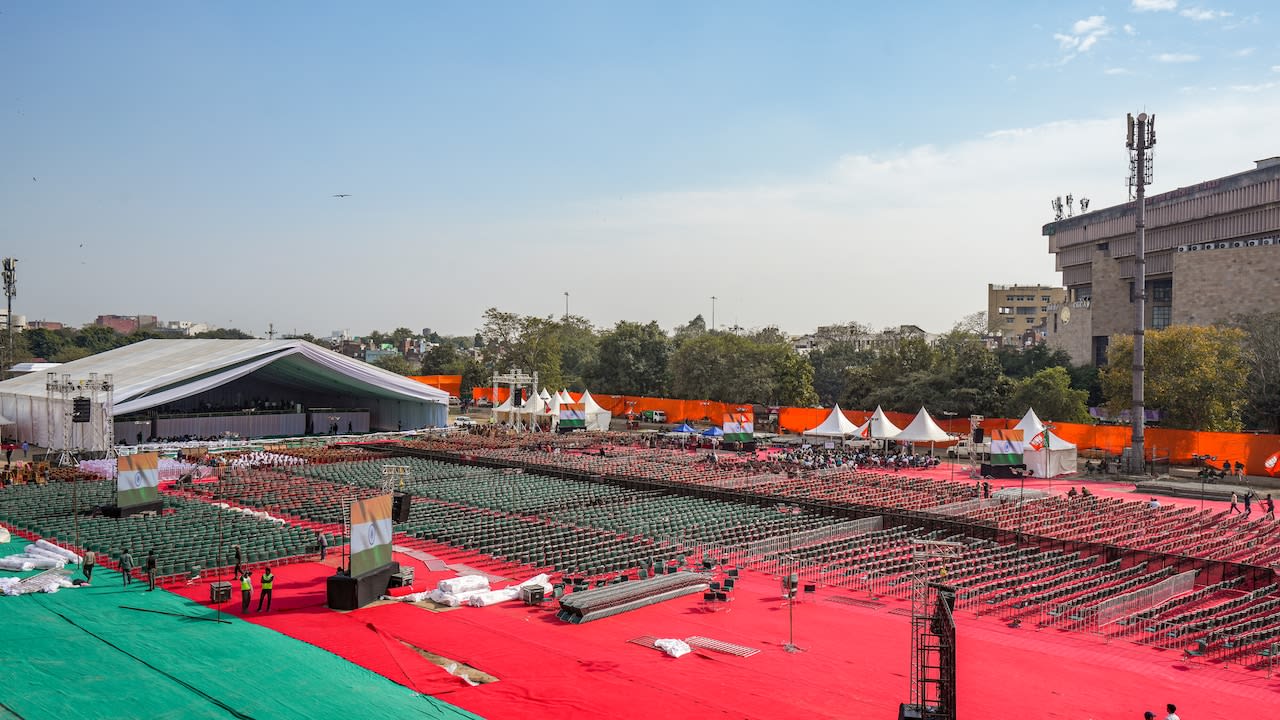
The Delhi High Court is set to review the de-notification of Jantar Mantar as a protest site following a government order. Three new venues have been designated, sparking legal challenges regarding the right to peaceful assembly.
The Shift in Delhi’s Protest Landscape
In a significant development for civil liberties in India’s capital, the Ministry of Home Affairs (MHA) has officially de-notified Jantar Mantar as a designated site for public protests and demonstrations. This decision, announced by Delhi Police Commissioner Anurag Kumar on October 12, 2026, marks the end of an era for a location that has historically served as the epicenter of dissent and civic engagement in New Delhi. The government-appointed committee tasked with identifying alternatives has selected three new locations: Ramlila Ground in Central Delhi, Burari Ground in North Delhi, and CBD Ground in East Delhi.
Legal Challenges and Judicial Intervention
The transition has immediately invited legal scrutiny. On October 12, 2026, the Delhi High Court declined an urgent request to hear a plea challenging the closure of Jantar Mantar. The bench, led by Acting Chief Justice Nitin Wasudeo Sambre and Justice Sanjay Sharma, opted to defer the hearing to October 13, 2026. The Court noted that the Supreme Court is already seized of the matter, highlighting the complexity of balancing administrative control over public spaces with the fundamental right to protest.
Implications for Civil Dissent
The primary contention raised by legal petitioners is that the closure of Jantar Mantar effectively quells peaceful protests by failing to provide a suitable, accessible alternative. Critics argue that moving demonstrations to the peripheries of the city, such as Burari or the CBD Ground, diminishes the visibility of movements and limits the ability of protesters to engage with the government. This tension between the state's mandate to maintain public order and the citizen's right to assembly is at the heart of the ongoing litigation.
Security Concerns and Public Order
Beyond the location change, the court is also set to address allegations of harassment during recent demonstrations. A separate petition to be heard on October 13 addresses reports of 'outsiders' infiltrating protest sites and harassing participants over the weekend. These security concerns likely influenced the authorities' decision to re-evaluate the suitability of Jantar Mantar, suggesting that the government is prioritizing the management of public order and the prevention of volatile situations in central urban areas.
Future Trends in Urban Activism
As the capital adapts to these new designated zones, the future of activism in Delhi remains uncertain. The shift away from the city center suggests a trend toward more regulated, compartmentalized forms of dissent. Whether the new venues at Ramlila Ground, Burari, and CBD Ground can replicate the symbolic power of Jantar Mantar remains to be seen. As the Delhi High Court and Supreme Court deliberate on these petitions, the outcome will likely set a lasting precedent for how the state manages democratic expression in an increasingly dense and security-conscious metropolis.
Multiple Citing Sources
Verification Required?