Same cause, separate protests: Why Congress and CJP are keeping their distance
Source Entity
AASTHA JHA
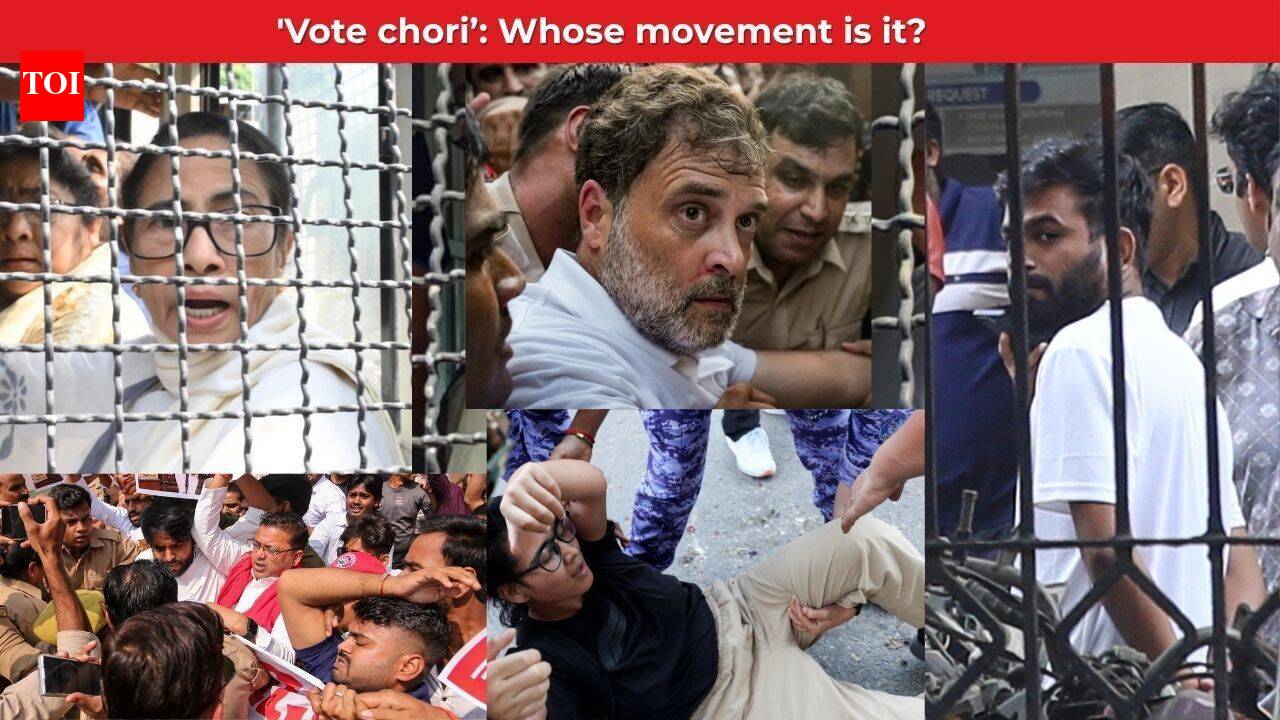
Leader of Opposition Rahul Gandhi has intensified his campaign against Chief Election Commissioner Gyanesh Kumar, alleging systemic voter fraud and government pressure. Gandhi has called for Kumar's resignation while claiming the capital has been restricted to suppress opposition protests.
Rahul Gandhi Escalates Campaign Against CEC Gyanesh Kumar
Leader of the Opposition Rahul Gandhi has launched a pointed offensive against Chief Election Commissioner (CEC) Gyanesh Kumar, demanding his resignation while alleging that the Election Commission is functioning under direct pressure from the highest echelons of the Indian government. Gandhi’s rhetoric suggests that the current electoral oversight mechanisms have been compromised, with the CEC acting as a conduit for directives from Prime Minister Narendra Modi, Union Home Minister Amit Shah, and National Security Advisor Ajit Doval.
Claims of Voter Fraud and 'Approver' Status
Central to Gandhi’s argument is the assertion that electoral processes have been manipulated. In a recent press conference, Gandhi went as far as to suggest that CEC Gyanesh Kumar should turn 'approver'—a legal term for a defendant who confesses and testifies against co-conspirators. By positioning the CEC as someone who may have been coerced rather than the primary architect of alleged voter fraud, Gandhi is attempting to create a political wedge, offering a potential path for reconciliation if Kumar chooses to expose the systemic pressures he is allegedly facing.
The 'Fortress Delhi' Narrative
Ahead of a scheduled Congress march on October 12, Rahul Gandhi utilized the platform to draw attention to the security environment in the national capital. He characterized Delhi as a 'fortress' currently under 'jail-like' conditions, noting that public transportation, including trains and buses, has been restricted to prevent protesters from reaching the city. This framing serves to amplify the opposition’s narrative that the administration is stifling democratic dissent and restricting the movement of citizens who seek to voice their grievances.
Unifying the Opposition Movement
Gandhi explicitly stated that there are no 'parallel agitations' currently taking place. Instead, he framed the disparate protests by students, civil society groups, and the INDIA bloc as a single, unified movement focused on the removal of Gyanesh Kumar. By consolidating these various grievances under the banner of electoral integrity, Gandhi is aiming to create a cohesive political front that directly targets the executive leadership, specifically naming PM Modi and Home Minister Amit Shah as the ultimate architects of the policies he opposes.
Broader Implications for Indian Democracy
This confrontation marks a significant escalation in the tensions between the opposition and the constitutional bodies of India. By openly questioning the impartiality of the Election Commission, the INDIA bloc is signaling a long-term strategy to challenge the legitimacy of electoral outcomes and the administrative processes that govern them. This rhetoric indicates that the opposition intends to maintain a high-pressure environment, framing their struggle not just as a policy disagreement, but as a fundamental defense of democratic institutions against executive overreach.
Future Outlook
As the opposition continues to link their protests directly to the resignation of the CEC, the political climate in New Delhi is likely to remain volatile. Gandhi’s strategy of publicly pressuring key constitutional figures suggests that the opposition will continue to utilize public platforms to demand transparency and institutional accountability. The effectiveness of this approach will depend on the public's reception of these allegations and the extent to which the opposition can sustain momentum across different segments of civil society.
Multiple Citing Sources