Special judge in fast-track court hearing NEET paper leak case transferred
Source Entity
Nirbhay Thakur
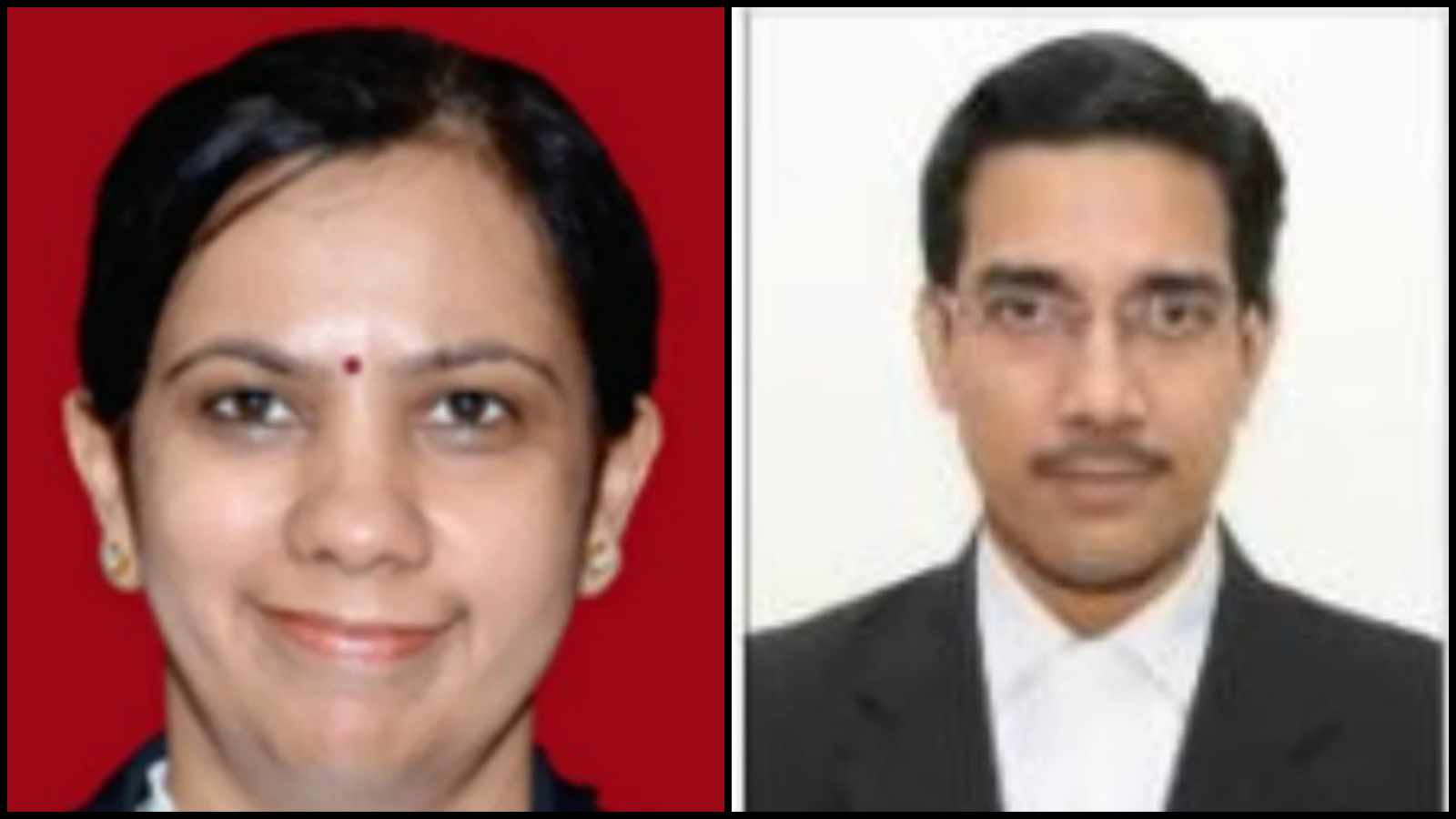
The Delhi High Court has transferred Judge Anu Grover Baliga, replacing her with Special Judge Ajay Gupta to preside over NEET-UG 2026 paper leak cases. This judicial reshuffle follows the Prime Minister's recent initiative to establish fast-track courts to address widespread examination irregularities.
Judicial Reshuffle in NEET-UG Paper Leak Cases
The Delhi High Court has officially announced the transfer of Judge Anu Grover Baliga, who was recently designated to preside over a fast-track court specifically established to handle cases related to the NEET-UG paper leak. In her place, Special Judge Ajay Gupta has been appointed to oversee these sensitive proceedings. This transition is part of a broader, routine reshuffle within the Delhi Higher Judicial Service (DHJS), aimed at optimizing the efficiency and administrative structure of the capital's judiciary.
Context of the Fast-Track Courts
This administrative change occurs against the backdrop of significant national concern regarding examination integrity. Following widespread public protests and intense political pressure regarding the NEET-UG 2026 paper leak, Prime Minister Narendra Modi announced the creation of dedicated fast-track courts. These courts were intended to expedite the judicial process, ensuring that those responsible for compromising the future of thousands of students are brought to justice without the delays typically associated with the standard court system.
Implications for the NEET-UG 2026 Investigation
The timing of this transfer is particularly sensitive given that the first hearing regarding the NEET-UG 2026 case was originally scheduled for July 27 under Judge Baliga’s jurisdiction. The appointment of Judge Ajay Gupta to take over these proceedings represents a critical transition point. Legal experts will be closely monitoring how this change in leadership impacts the momentum of the prosecution and whether the transition causes any procedural delays in what is considered a high-stakes, time-sensitive matter of public interest.
Judicial Efficiency and Public Trust
Administrative reshuffles are standard procedures within the Indian judicial system to ensure institutional health and prevent the stagnation of cases; however, when applied to high-profile cases like the NEET-UG leak, they invite public scrutiny. The effectiveness of these fast-track courts is currently being tested. The public expectation is that the transition to Judge Gupta will not impede the timeline of the investigation, as the credibility of the examination system relies heavily on the perceived fairness and speed of the judicial response.
Future Trends in Judicial Oversight
Looking forward, the success of the NEET-UG 2026 case in a fast-track court will likely set a precedent for how future examination irregularities are handled in India. If these courts succeed in delivering timely verdicts, it may lead to the permanent adoption of specialized fast-track benches for educational fraud. Conversely, any perceived delays following this transfer could reignite calls for more robust reforms within the investigative and judicial wings of the government to better protect the sanctity of national entrance examinations.