Delhi-Gurugram border clogged as Capital's BS-VI curbs take effect
Source Entity
Latest News: Todays Latest News Headlines from India & World | Hindustan Times
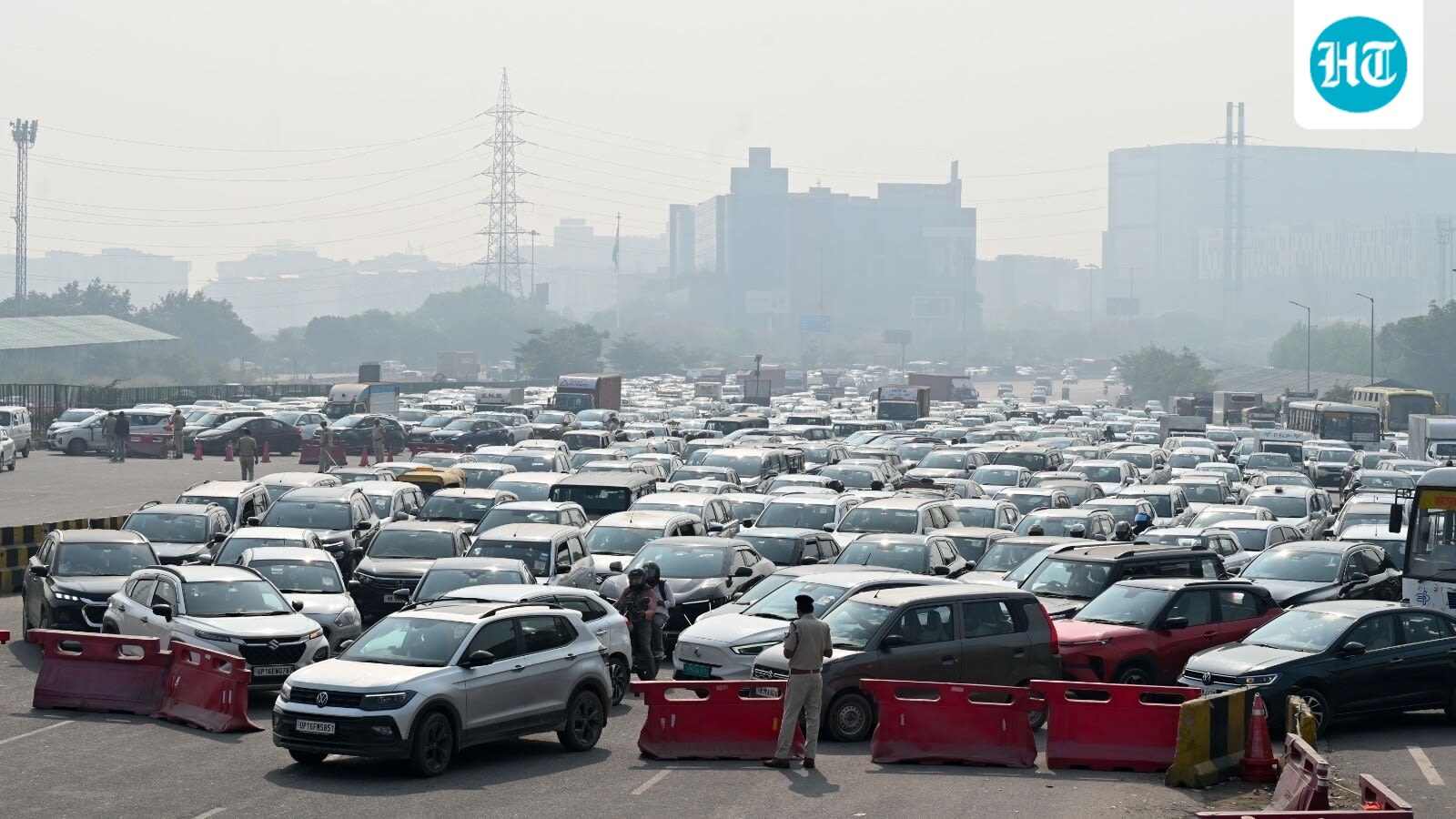
Delhi has implemented strict anti-pollution measures from November 1 to January 31, including a ban on non-BS-VI vehicles from neighboring NCR districts. These restrictions, alongside construction curbs and office attendance changes, aim to combat poor air quality as winter approaches.
Delhi Implements Stringent Winter Anti-Pollution Measures
Starting November 1, the Delhi government has activated a comprehensive suite of anti-pollution measures designed to mitigate the hazardous air quality typically witnessed during the winter months. These regulations, which will remain in force until January 31, represent a proactive shift that goes beyond the standard Graded Response Action Plan (GRAP) framework. The initiative focuses on critical emission sources, specifically targeting vehicular exhaust and construction-related dust, which are primary contributors to the city's declining air quality.
The Impact on Vehicular Movement
A centerpiece of these new restrictions is the ban on non-BS-VI petrol and diesel vehicles registered outside of Delhi. With approximately 48 lakh such vehicles registered in NCR districts bordering the capital, the logistical challenge for the Delhi Traffic Police is immense. Given that roughly three-quarters of these older vehicles are two-wheelers that frequently cross the border for daily transit, the enforcement of this ban is expected to significantly alter commuting patterns across the National Capital Region.
Regional Scope and Challenges
The scale of the problem is highlighted by the fact that nearly 3.02 crore Bharat Stage-I to IV vehicles are currently registered across Uttar Pradesh, Haryana, and Rajasthan. While not all of these will enter the capital, the 48 lakh vehicles specifically registered in the immediate NCR vicinity represent a massive volume of potential emissions. Law enforcement officials have acknowledged that ensuring effective implementation of these entry restrictions will require substantial coordination and monitoring at various border entry points.
Broader Strategic Interventions
Beyond vehicle restrictions, the government is adopting a multi-pronged strategy to reduce the overall pollution burden. This includes mandates for reduced office attendance and the implementation of staggered working hours to manage traffic density. Furthermore, the authorities have authorized increased parking fees to discourage private vehicle usage and have placed severe limitations on construction activities that generate dust. These measures are designed to create a cumulative effect, lowering the city's overall emission profile during the critical winter season.
Contextualizing Air Quality Trends
These interventions arrive at a time when Delhi has recorded its lowest October average Air Quality Index (AQI) in eight years, hitting 166. While this figure suggests a relative improvement compared to the same period in previous years, the onset of winter typically brings meteorological conditions—such as lower wind speeds and temperature inversions—that trap pollutants. Therefore, these stringent measures are not merely reactive but are essential to preventing the spike in particulate matter that often plagues the capital in the coming months.
Future Outlook and Compliance
The success of this three-month campaign hinges on high levels of public compliance and the effectiveness of traffic rerouting strategies designed to move through-traffic away from the city center. By tightening the net on older, higher-emission vehicles and curbing construction dust, the government aims to stabilize air quality levels through January 31. The long-term efficacy of these measures will likely serve as a benchmark for future winter pollution management policies in the region.
Multiple Citing Sources
Verification Required?