8 trekkers stranded amid heavy snowfall, avalanche conditions in Kedartal
Source Entity
Vidheesha Kuntamalla
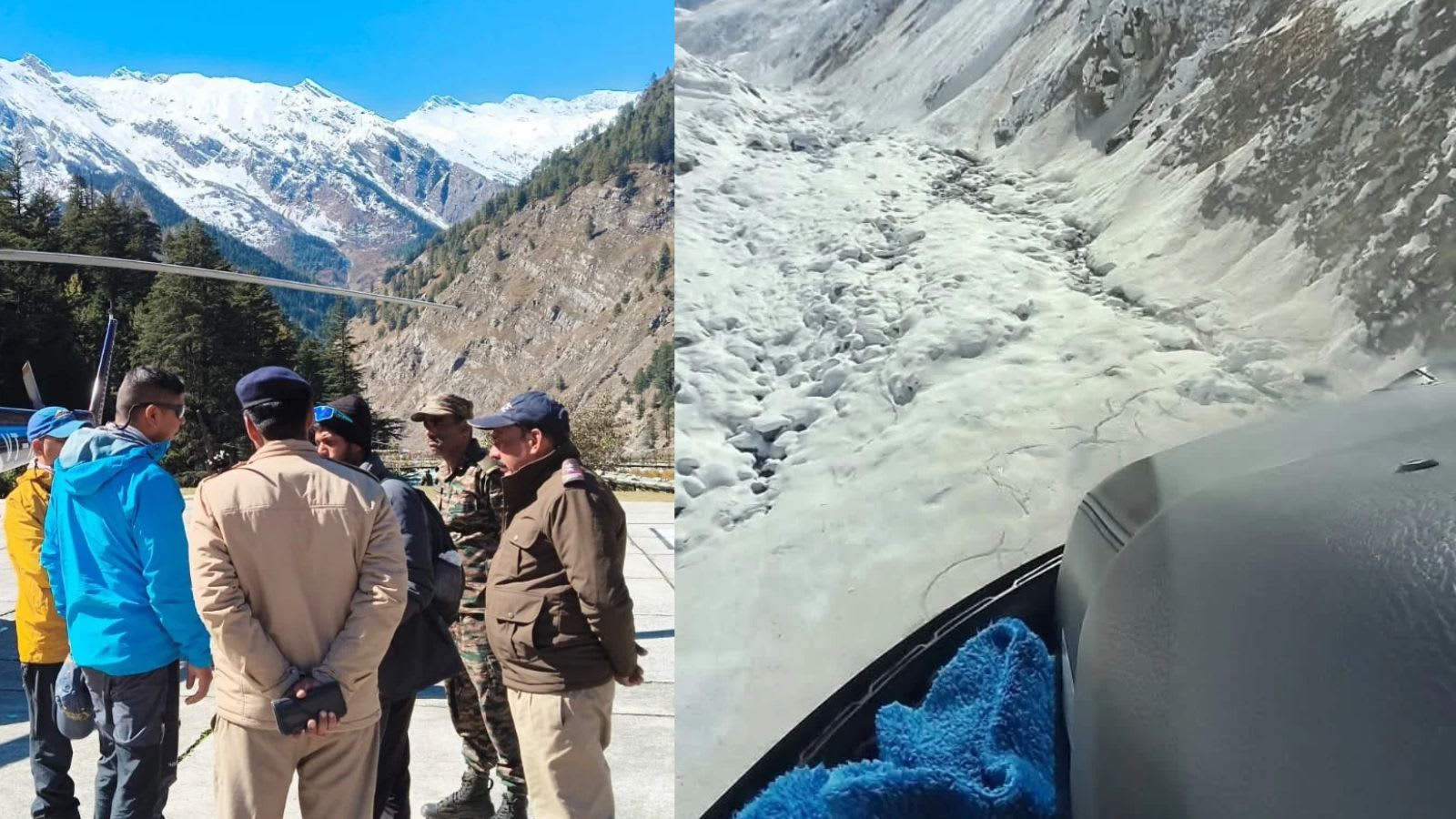
Six Indian tourists are missing near Nepal's Shey-Phoksundo Lake, and eight trekkers are stranded near Kedartal, India, following severe snowfall and avalanche conditions. Rescue operations involving the military and disaster response teams are currently underway in both regions.
Himalayan Trekking Crisis: Weather Hazards Leave Tourists Stranded
The recent weather-induced emergencies in the Himalayan region highlight the escalating dangers faced by high-altitude trekkers. In Nepal, six Indian tourists have been reported missing near the remote Shey-Phoksundo Lake, while simultaneously, eight trekkers remain trapped near Kedartal in India’s Uttarkashi district. Both incidents were triggered by unseasonable and heavy snowfall, which has severely hampered movement and communication in these rugged terrains.
The Nepal Situation: Shey-Phoksundo Risks
In Nepal’s Dolpa district, six Indian nationals—comprising four men and two women—went missing after venturing into the Shey-Phoksundo National Park area. The tourists were reportedly navigating between the Numla and Bagla passes when heavy snowfall, potentially influenced by cyclonic activity, rendered the mountain trails impassable. Local officials have confirmed that the group proceeded despite warnings from security personnel and their own guides, underscoring the critical importance of adhering to expert guidance in high-altitude environments.
The Kedartal Incident: Avalanche Threats
Parallel to the events in Nepal, an emergency is unfolding in the Indian state of Uttarakhand. Eight trekkers are stranded at an altitude of approximately 4,000 metres near Kedartal. Reports from the District Emergency Operations Centre indicate that while four support staff members successfully returned to Gangotri, the remaining group was cut off by avalanche conditions and heavy snow accumulation. Despite the deployment of the State Disaster Response Force (SDRF) and the National Disaster Response Force (NDRF), the extreme weather has complicated search efforts.
The Role of Climate and Geography
Shey-Phoksundo Lake, known as Nepal’s deepest lake at an altitude of 3,600 metres, and the high-altitude terrain of Kedartal represent some of the most challenging trekking environments in the world. The combination of unpredictable weather patterns and the sheer depth of snowfall can transform standard trekking routes into life-threatening traps within hours. These events serve as a stark reminder of the volatile nature of the Himalayan climate, which can shift from manageable to lethal without significant warning.
Search and Rescue Challenges
Rescue operations in such high-altitude regions are inherently complex, requiring specialized aerial support and ground coordination. In the Nepal incident, authorities have confirmed that the specific location of the stranded tourists has been identified, and a military helicopter is being deployed to facilitate an extraction. However, in the Kedartal region, the terrain’s hostility and continued avalanche risks have limited the efficacy of aerial and ground searches, highlighting the logistical hurdles faced by disaster management teams.
Future Trends and Safety Implications
As adventure tourism grows in popularity, the frequency of such incidents underscores a need for stricter regulatory oversight and improved real-time weather monitoring for trekking groups. The recurring theme of tourists venturing into restricted or hazardous areas despite professional warnings suggests that enhanced safety protocols, mandatory satellite communication devices, and stricter enforcement of trekking permits may be necessary to prevent future tragedies in the Himalayas.
Multiple Citing Sources