Delhi government facility brings free newborn screening for genetic diseases, to be replicated across city
Source Entity
Tabshir Shams
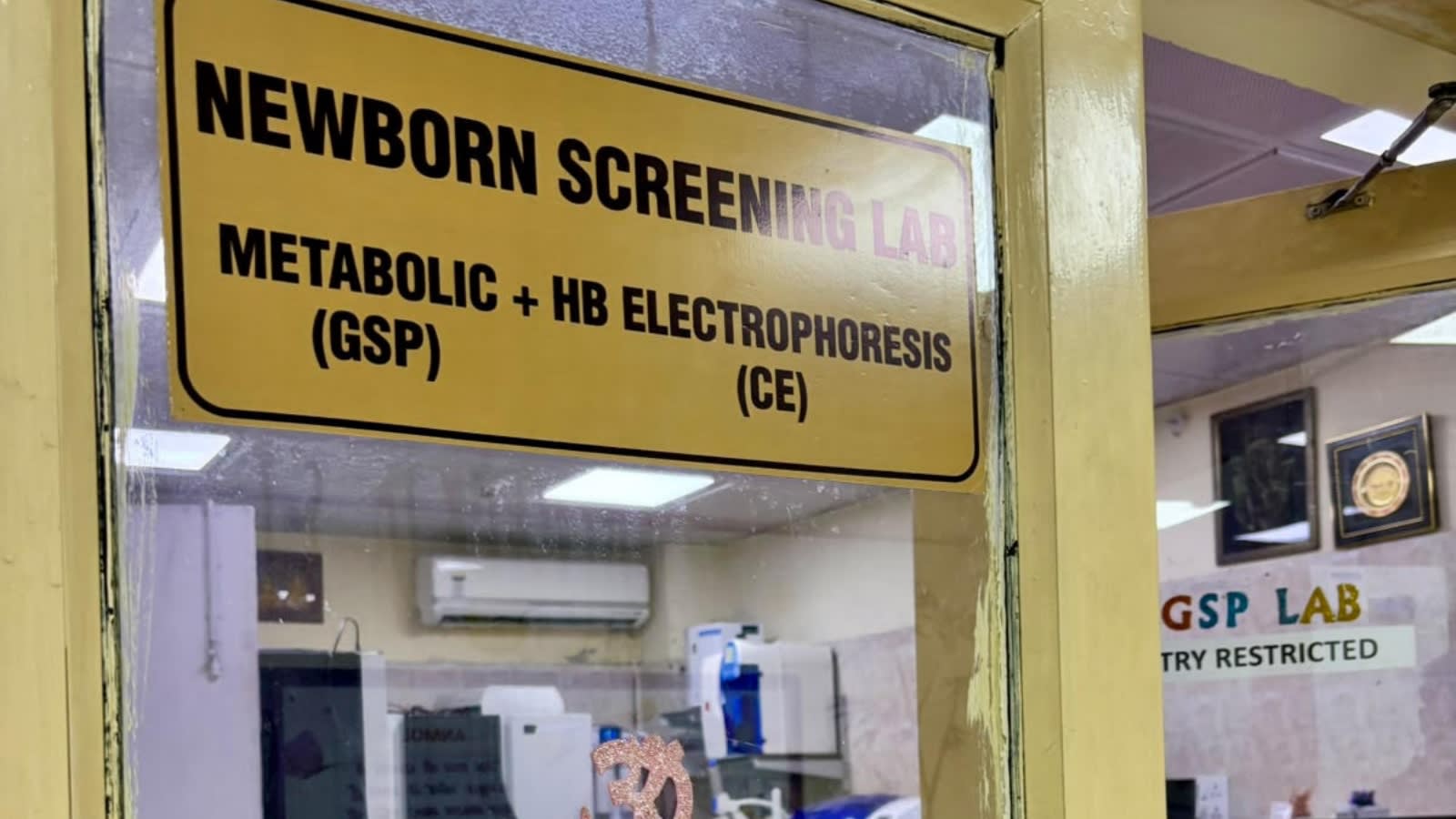
The Delhi government has launched Mission ANMOL at Lok Nayak Jai Prakash Hospital to provide free genetic screening for newborns. This initiative aims to improve early detection of genetic disorders and is slated for city-wide expansion.
Revolutionizing Neonatal Care in Delhi: The Launch of Mission ANMOL
In a significant stride toward equitable healthcare, the Delhi government has inaugurated a specialized facility at the Lok Nayak Jai Prakash (LNJP) Hospital, the city's largest government-run tertiary-care institution. This facility serves as the operational hub for 'Mission ANMOL' (Advanced Newborn Monitoring for Optimal Lifecare). By situating this program within the heart of a public hospital, the government is effectively democratizing access to complex medical diagnostics that were historically reserved for private, high-cost healthcare providers.
The Infrastructure of Precision Medicine
The initiative is housed in a dedicated building adjacent to the hospital's new medical block, featuring a sophisticated Medical Genetics Lab. The facility is equipped with specialized infrastructure, including ultra-low temperature freezers for the long-term preservation of biological samples and a dedicated newborn screening laboratory. These technological assets are essential for the accurate identification of genetic anomalies, marking a transition toward a more data-driven and precise approach to public health in the capital.
Bridging the Genetic Divide
Mission ANMOL, which commenced operations in March, addresses a critical gap in India's public health system: the lack of accessible genetic testing for the socio-economically disadvantaged. Genetic disorders in newborns often go undiagnosed until symptoms become severe, at which point treatment options are limited and costly. By providing free screenings, the Delhi government is positioning itself to catch these conditions at the earliest possible stage, significantly improving the prognosis for infants who might otherwise face lifelong health challenges.
Scaling Public Health Initiatives
The success of the pilot program at LNJP Hospital serves as a blueprint for the government’s broader strategy. The plan to replicate this model across the city represents a shift in public policy, moving away from centralized, singular-focus health initiatives toward a decentralized network of specialized diagnostic centers. This expansion is designed to ensure that geographic location does not serve as a barrier to receiving high-quality, life-saving genetic screening.
Future Implications and Policy Outlook
As Mission ANMOL scales, its primary challenge will be integrating these diagnostic findings into a cohesive long-term care management system. Early detection is only the first step; the efficacy of this program will ultimately be judged by the government's ability to provide follow-up care and therapeutic interventions for those diagnosed. If successful, this initiative could serve as a national model for integrating advanced medical genetics into the standard of care for neonatal services in developing urban centers, potentially shifting the national conversation on preventive pediatric healthcare.