26-Year-Old Man Found With Uterus During Infertility Evaluation In Delhi
Source Entity
NDTV News Search Records Found 1000
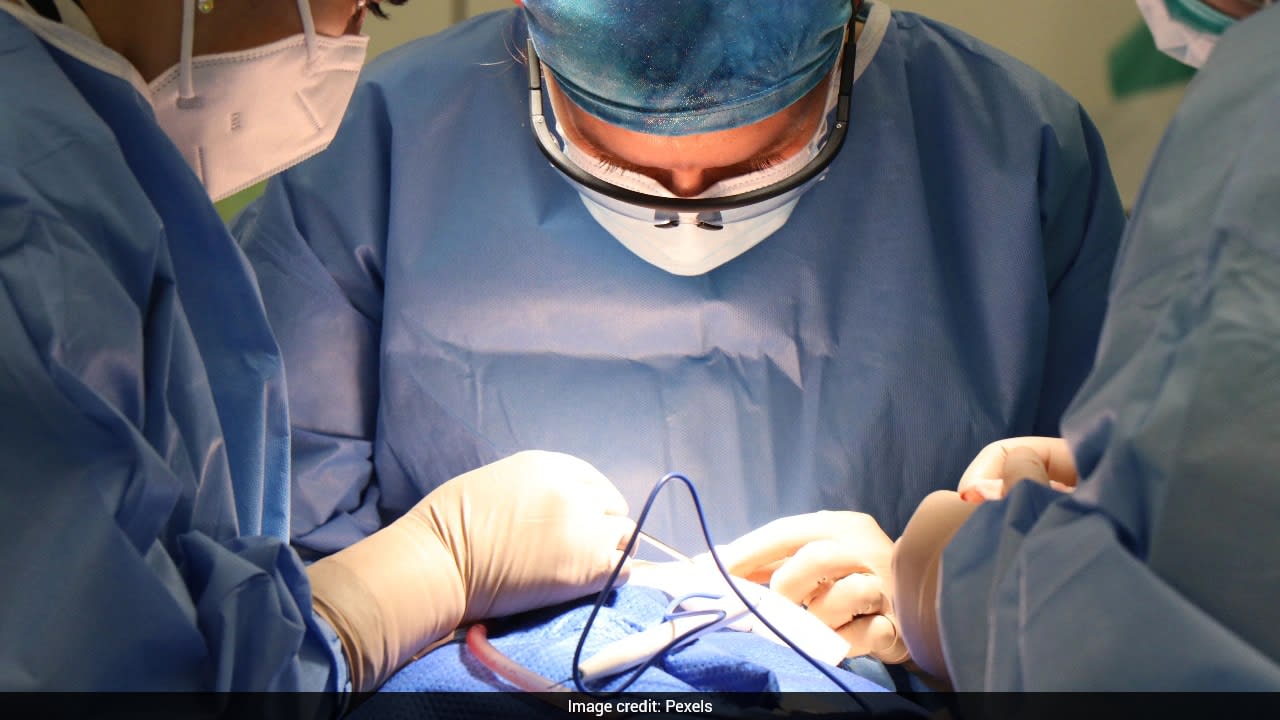
A 26-year-old man in Delhi discovered he had a uterus and fallopian-tube-like structures during an infertility evaluation. The diagnosis followed investigations into azoospermia and undescended testes, leading to a complex surgical intervention.
Rare Medical Discovery in Delhi: Understanding Persistent Müllerian Duct Syndrome
In a remarkable medical case reported from RG Hospitals in Delhi, a 26-year-old man seeking treatment for primary infertility received an unexpected diagnosis. During a routine evaluation for azoospermia—a condition characterized by the absence of sperm in the ejaculate—clinicians discovered the presence of a uterus and structures resembling fallopian tubes within the patient's pelvis. This diagnostic revelation highlights the profound complexities of human biological development and the often-hidden nature of congenital anomalies.
The Clinical Pathway to Discovery
The journey to this diagnosis began when the patient sought medical assistance for infertility. Upon initial examination, doctors identified undescended testes, a condition known as cryptorchidism. Given the intersection of infertility and physical developmental markers, the medical team initiated a comprehensive diagnostic protocol involving advanced imaging, specifically an MRI scan, and genetic testing. These measures were essential to identify the underlying anatomical cause, ultimately leading to the identification of the uterine structure.
Biological and Genetic Context
While the specific genetic profile of this patient was determined through follow-up testing, the presence of female reproductive organs in a male phenotype is often linked to conditions such as Persistent Müllerian Duct Syndrome (PMDS). During typical fetal development, the Müllerian ducts are precursors to the uterus, fallopian tubes, and upper vagina; in males, these structures typically regress. When this regression fails to occur due to hormonal imbalances or receptor defects, these structures remain, often complicating the function of the male reproductive system.
Implications of Undescended Testes
The patient’s history of undescended testes serves as a critical clinical marker in this case. Cryptorchidism is frequently associated with hormonal or structural abnormalities that can prevent normal testicular descent. In cases where Müllerian structures persist, the anatomical interference can often exacerbate issues related to fertility, as the displaced organs may impact the environment necessary for healthy spermatogenesis, leading to the azoospermia observed in this patient.
Surgical Intervention and Future Outlook
Following the identification of these internal structures, the medical team determined that surgical intervention was necessary. The complexity of such a procedure lies in the delicate nature of removing non-native anatomical structures while preserving the integrity of the patient’s existing urinary and reproductive systems. The successful completion of this surgery marks a significant step in the patient's health journey, transitioning from diagnostic uncertainty to a clearer understanding of his physiological status.
Broader Medical Significance
This case underscores the importance of multidisciplinary approaches in modern fertility treatment. It serves as a reminder that infertility is often a multifaceted issue that requires clinicians to look beyond standard parameters. By integrating imaging, genetics, and surgical expertise, the team at RG Hospitals was able to provide a definitive explanation for the patient's condition, highlighting the evolving nature of reproductive medicine and the critical role of diagnostic vigilance in adult patients.
Multiple Citing Sources
Verification Required?