From Rs 12,300 to Rs 27,000: Medical interns’ protests expose wide stipend gap across states
Source Entity
Neeti Nigam
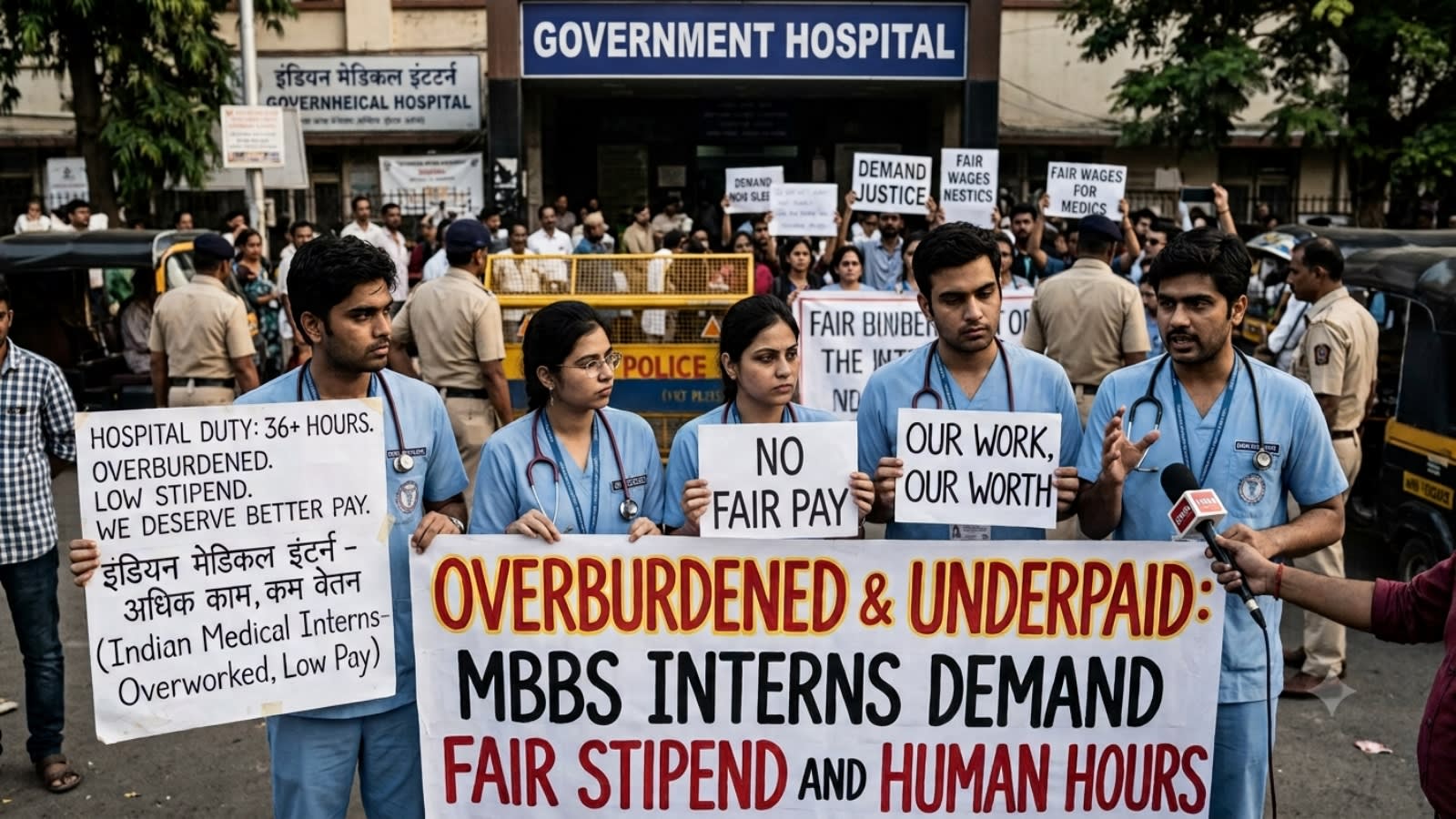
The Uttarakhand government has increased the monthly stipend for MBBS interns in government medical colleges from Rs 17,000 to Rs 25,000. This move follows a wave of nationwide protests by medical interns demanding fair compensation and better working conditions across several Indian states.
Uttarakhand Enhances Medical Intern Stipends Amid Nationwide Reform
The Uttarakhand Cabinet, under the leadership of Chief Minister Pushkar Singh Dhami, has officially approved a significant increase in the monthly honorarium for MBBS interns serving in state-run medical institutions. The stipend has been raised from Rs 17,000 to Rs 25,000 per month, impacting students across the state's five government medical colleges located in Srinagar, Haldwani, Dehradun, Haridwar, and Almora. This administrative decision marks a pivotal shift in addressing the financial grievances of medical trainees who provide essential frontline care.
The National Context of Medical Protests
This policy adjustment in Uttarakhand arrives against a backdrop of widespread unrest among medical students across India. Interns in states including Uttar Pradesh, Bihar, and Madhya Pradesh have recently staged protests, citing both inadequate financial compensation and grueling work schedules. These demonstrations have effectively drawn public and political attention to the stark disparities in stipend structures, which often fail to align with the inflation-adjusted cost of living or the intense clinical workload expected of young physicians.
Addressing the Disparity Gap
The protests have highlighted a concerning trend: interns performing broadly similar clinical responsibilities often receive vastly different levels of remuneration depending on their state of residence. For instance, while Uttarakhand has moved to Rs 25,000, other regions have seen even more volatile situations. In Jammu and Kashmir, interns launched an indefinite strike demanding a raise from Rs 12,300 to Rs 30,000, while Madhya Pradesh interns recently secured a 50 percent hike after their own sustained agitation, underscoring the urgent need for a more standardized national policy.
Operational Challenges and Working Conditions
Beyond the monetary aspect, the agitation by medical interns has brought the issue of working hours into the spotlight. Reports from various states, including Jammu and Kashmir, indicate that duty shifts frequently extend up to 36 hours. Such exhausting schedules not only impact the mental and physical well-being of the interns but also raise questions regarding patient safety and the quality of care provided in high-pressure medical environments.
The Need for Collaborative Policy Making
In response to these developments, student associations have urged state governments to move beyond unilateral decision-making. The consensus among health professionals and educators is that any future reforms affecting public medical education should involve a consultative process. By engaging student representatives, health experts, and academic leaders, governments can ensure that policy changes are sustainable, equitable, and reflective of the actual needs of the medical community.
Future Trends and Implications
The move by the Uttarakhand government suggests a growing recognition among policymakers that medical education infrastructure requires more robust financial support. As states continue to compete for medical talent and strive to improve public health outcomes, the trend toward revising stipends is likely to continue. However, long-term stability in the medical sector will depend on whether authorities can standardize these payments and address the systemic issues of overwork that continue to plague the profession across the country.