‘Should we go home?’ Workers, traders at marble market anxious over construction ban
Source Entity
Devansh Mittal
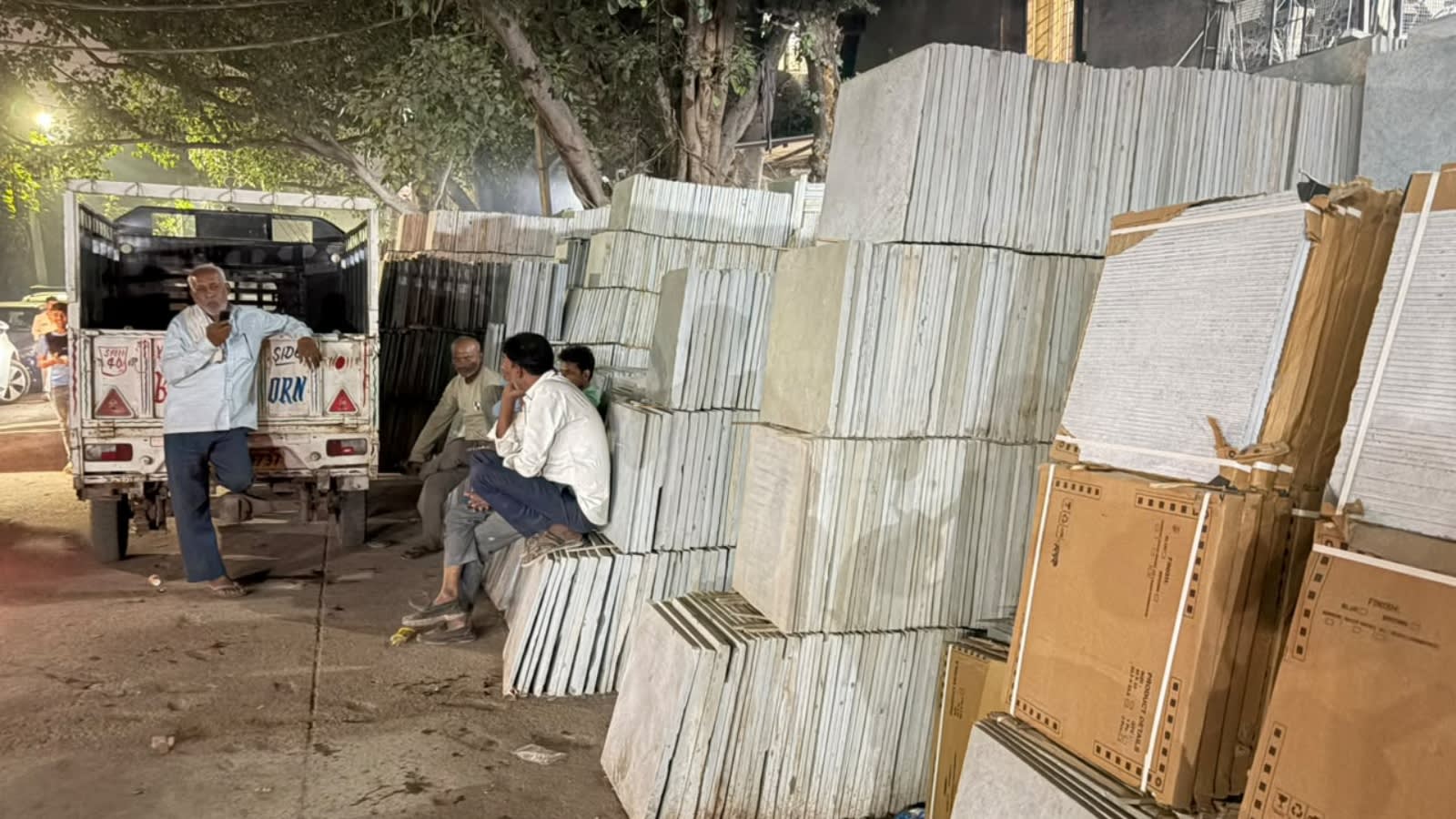
The Delhi government's Winter Action Plan has triggered anxiety among marble market workers and traders due to a potential three-month construction ban. Migrant laborers are considering returning home as the restrictions threaten their livelihoods during the festive season.
The Silent Crisis in Delhi's Marble Markets
As the festive season approaches, Delhi’s marble markets—usually hubs of intense commercial activity—are facing a profound sense of uncertainty. While the physical landscape of the market remains active with the sounds of machinery and the movement of heavy slabs, a deeper, structural anxiety is permeating the trade. The implementation of the Delhi government’s Winter Action Plan, which took effect on November 1, has cast a long shadow over the industry, leaving traders and their workforce grappling with the prospect of a prolonged operational shutdown.
The Human Cost of Environmental Regulation
The most immediate impact of the Winter Action Plan is the looming threat of a construction ban, a measure typically enacted to combat the city's severe winter air pollution. For business owners like Randeep Bhardwaj, the regulation is not merely a policy hurdle but a direct threat to the stability of their workforce. The poignant question posed by laborers—whether they should return to their home states given the anticipated three-month work stoppage—highlights the precarious nature of the migrant labor economy that sustains Delhi’s construction and supply sectors.
Economic Implications for the Seasonal Trade
This disruption occurs at a critical juncture in the commercial calendar. The festive season is traditionally a period of high demand for construction and home renovation materials. A ban on construction activities effectively halts the primary demand side of the marble market, leading to a cascading effect on inventory management and cash flow. Traders are now forced to weigh the costs of maintaining a idle workforce against the risk of losing skilled laborers to permanent migration, creating a complex dilemma for small and medium-scale enterprises in the region.
Broader Context: Pollution and Policy
The Winter Action Plan represents an ongoing struggle for the Delhi administration: balancing public health imperatives with economic continuity. The construction sector, a major contributor to dust and particulate matter, is often the first to face restrictions under the Graded Response Action Plan (GRAP) protocols. While these measures are essential for mitigating the health risks associated with the city's toxic winter haze, the lack of a compensatory support mechanism for displaced daily-wage earners remains a significant policy gap.
Future Trends and Outlook
Looking ahead, this situation suggests a growing trend toward the 'seasonal migration cycle,' where laborers increasingly view Delhi as a temporary workspace prone to sudden shutdowns. If the city continues to rely on blanket bans without creating sustainable alternative work models for the construction sector, the market may face a chronic labor shortage. Traders must now prepare for a future where policy-driven disruptions are factored into annual operational costs, potentially leading to a shift in how these markets handle labor contracts and seasonal inventory. Ultimately, the anxiety in the marble market serves as a microcosm of the broader tension between urban environmental management and the survival of the informal labor force.