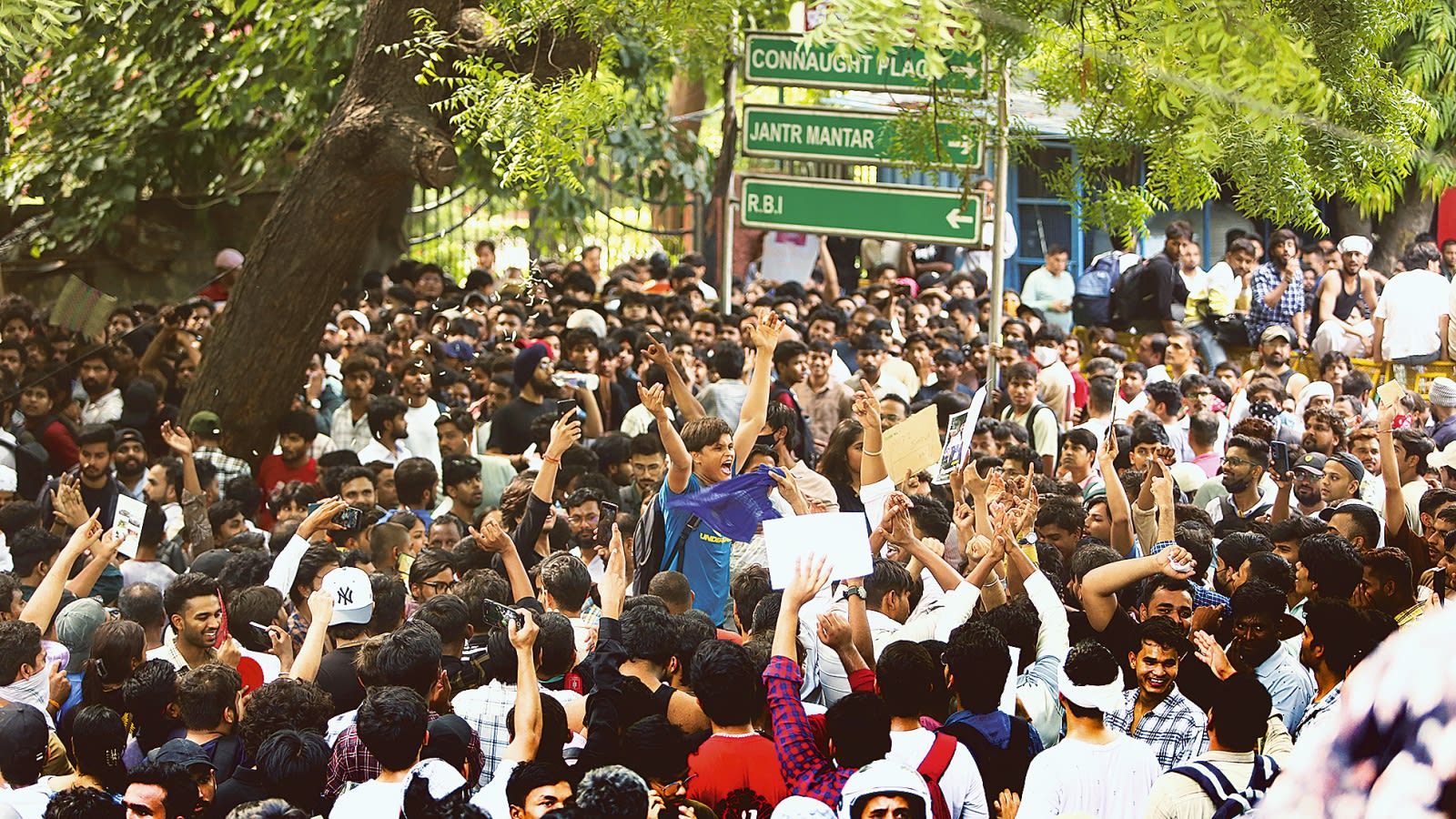
Jantar Mantar was crowded, yet I breathed freely
Source Entity
Trisha Mukherjee
A 22-year-old journalist recounts a harrowing experience of being groped in a crowded Delhi market in 2015. The narrative reflects on the internal struggle to report workplace or public harassment as a young professional.
The Silent Burden of Public Harassment
In 2015, a young journalist navigating the bustling environment of Old Delhi’s Sadar Bazar found herself in a situation that highlights the pervasive nature of public harassment. While conducting professional interviews just days before the festival of Holi, she was subjected to unwanted physical contact. This incident, occurring amidst the dense crowds and dust of a marketplace, serves as a stark reminder of the safety challenges women face in public spaces within urban India.
The Disorienting Reality of Victimization
The account details a visceral reaction to being groped—first from behind and then from the front. The immediate aftermath was characterized by disorientation and a loss of professional focus, forcing the journalist to abandon her work and seek refuge in the Delhi Metro. This reaction is common among victims of street harassment, who often feel a sense of internal paralysis when confronted with such sudden, invasive behavior in crowded, chaotic environments.
Professional Vulnerability and Silence
At only 22 years old and barely two months into her new position, the journalist faced a dilemma many young professionals encounter: the fear of being labeled as 'making a bigger deal' out of an incident. Her reluctance to consult a senior female editor highlights a systemic issue where young women in the workforce often internalize harassment, fearing that reporting it might jeopardize their burgeoning careers or be perceived as a sign of weakness or inability to handle the 'field' environment.
Societal Stigma and Institutional Gaps
The hesitation to speak up is not merely a personal choice but a reflection of the broader societal pressure to minimize traumatic experiences. By questioning whether the incident even 'qualified' as harassment, the narrative captures the internal gaslighting that victims often endure. This normalization of inappropriate behavior in public spaces allows such incidents to remain underreported and unaddressed, perpetuating a cycle of impunity for perpetrators.
Broader Implications and Future Trends
Reflecting on this 2015 account in a modern context, it becomes clear that while awareness of women's safety has grown, the underlying cultural barriers to reporting remain significant. The evolution of safe spaces and the implementation of more robust internal complaint mechanisms are essential, but they must be paired with a cultural shift that validates the experiences of victims, regardless of their tenure or age. Addressing these issues requires both systemic policy changes and a shift in how society views accountability for public misconduct.