Delhi Master Plan 2047 Explained: 40 Lakh New Flats, Rental Units And New Rules For Yamuna Floodplain
Source Entity
NDTV News Search Records Found 1000
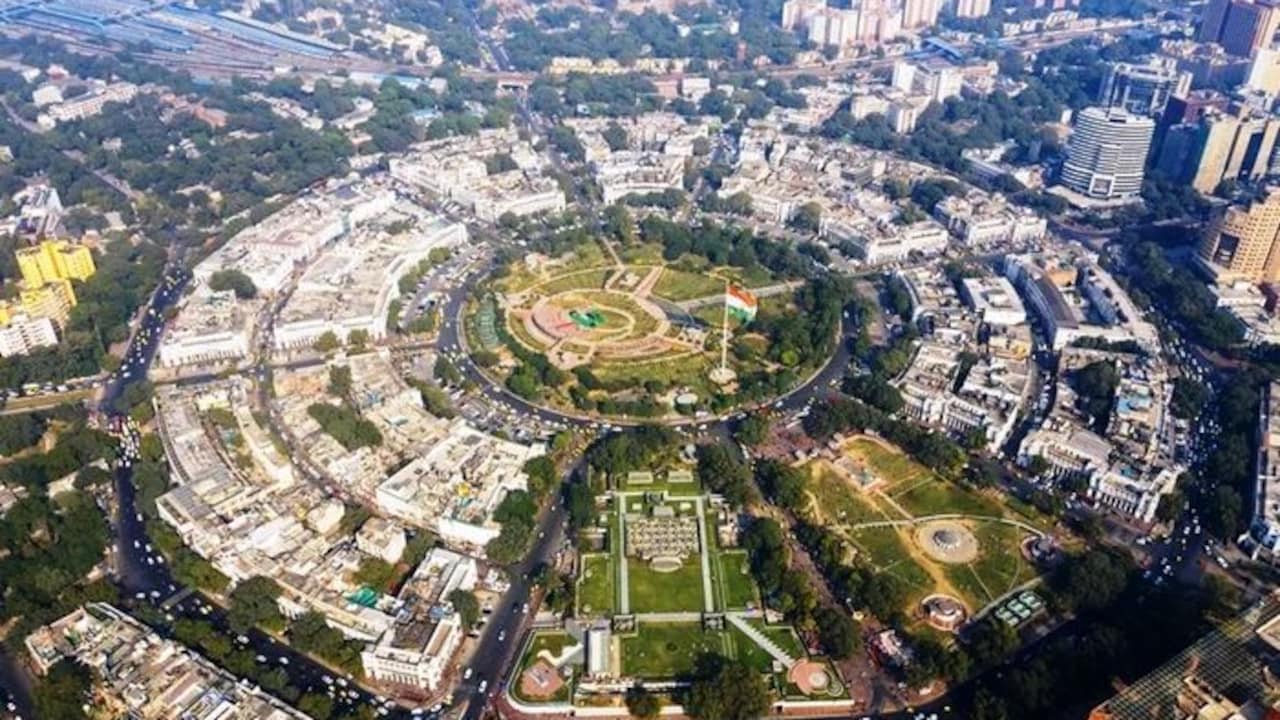
The Delhi Master Plan 2047 anticipates a population surge to 32 million, necessitating 4 million new homes and significant infrastructure upgrades. The strategy emphasizes affordable housing, rental units, and enhanced public utility capacity to accommodate the capital's expansion.
Delhi’s Blueprint for 2047: A Vision for Urban Expansion
The Delhi Development Authority (DDA) has formally approved the Master Plan for Delhi (MPD)-2047, a comprehensive strategic framework designed to guide the capital's development over the next two decades. With a projected population reaching 32 million—an increase of 10 million from current estimates—the plan serves as a critical roadmap for addressing the mounting pressures of urbanization, housing shortages, and infrastructure strain. By setting clear targets for housing, mobility, and utility management, the DDA aims to transition Delhi into a more sustainable and resilient urban center.
The Housing Imperative
At the heart of the MPD-2047 is the ambitious requirement for four million additional homes (40 lakh units). Recognizing that land is a scarce resource in the capital, the plan pivots toward a model of high-density living and accessibility. Policy shifts encourage developers, both public and private, to prioritize smaller residential units ranging from 25 to 60 square meters of carpet area. This focus on smaller, more efficient floor plans is intended to bridge the affordability gap and cater to a demographic shift toward smaller household sizes.
Diversifying Residential Infrastructure
Beyond traditional home ownership, the 2047 plan introduces a progressive approach to urban living by incentivizing alternative housing models. The proposal includes specific provisions for student hostels, dormitories, and dedicated housing for the labor force. By fostering a market for shared accommodation and rental housing, the DDA intends to keep living costs manageable for young workers and transient populations, thereby preventing the proliferation of unplanned informal settlements.
Scaling Utilities and Infrastructure
Population growth of this magnitude necessitates a radical overhaul of Delhi’s utility infrastructure. Projections indicate that the city must triple its current power generation capacity and double its solid waste management capabilities to remain functional. Additionally, the plan empowers the DDA to take a more proactive, expanded role in the development of critical infrastructure, including the expansion and maintenance of the city's road networks, ensuring that connectivity keeps pace with residential growth.
Environmental and Future Considerations
While the focus remains on expansion, the plan also introduces new regulatory frameworks for sensitive areas such as the Yamuna floodplain. By balancing aggressive development with environmental oversight, the authorities hope to mitigate the ecological impact of rapid urbanization. As the plan moves to the Union Ministry of Housing and Urban Affairs (MoHUA) for final approval, it stands as a testament to the complexities of managing a megacity, setting a precedent for how future urban centers in India might navigate the challenges of the coming decades.
Verification Required?