32 million population, 4 million more homes: Inside Delhi's 2047 master plan
Source Entity
Latest News: Todays Latest News Headlines from India & World | Hindustan Times | Hindustan Times
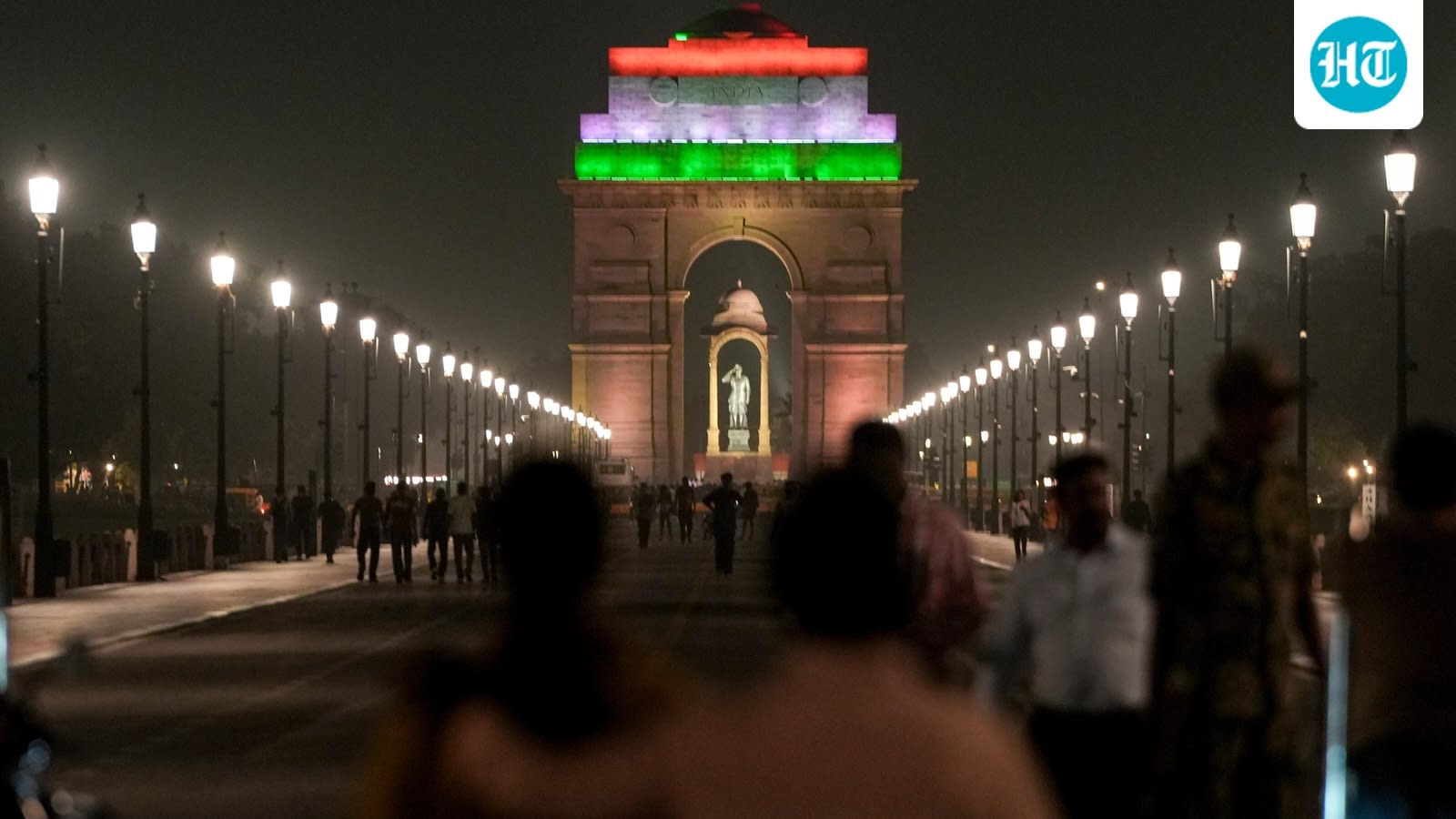
The Delhi Master Plan 2047 anticipates a population rise to 32 million, necessitating 4 million new homes and significant infrastructure upgrades. This framework emphasizes affordable, smaller housing units and improved urban services to accommodate rapid growth.
Shaping the Capital: Understanding the Delhi Master Plan 2047
The Delhi Development Authority (DDA) has formally approved the Master Plan for Delhi (MPD)-2047, a strategic blueprint designed to guide the capital’s development over the next two decades. This comprehensive framework, now headed to the Union Ministry of Housing and Urban Affairs (MoHUA) for final notification, serves as a proactive response to the immense demographic and structural pressures facing one of the world's most populous cities. By addressing housing, mobility, and essential infrastructure, the plan aims to ensure that Delhi remains functional and sustainable as it undergoes rapid expansion.
Demographic Projections and Housing Needs
At the heart of the MPD-2047 is the staggering projection that Delhi’s population will reach 32 million by 2047, an increase of 10 million from current estimates. To house this growing populace, the plan mandates the creation of nearly 4 million additional homes. This move is driven not only by population growth but also by the trend toward smaller, nuclear household units, which significantly increases the demand for individual housing units despite the limited availability of land in the national capital.
Prioritizing Affordable and Rental Living
To bridge the gap between housing demand and supply, the DDA is focusing on the production of smaller residential units, specifically those ranging from 25 to 60 square meters in carpet area. This policy shift is designed to optimize land use efficiency while simultaneously lowering the barrier to entry for lower- and middle-income residents. Furthermore, the plan introduces progressive incentives for private developers to construct hostels, dormitories, and dedicated worker housing, recognizing that a significant portion of Delhi’s workforce requires flexible, shared, and low-rent accommodation options.
Infrastructure and Environmental Resilience
Beyond housing, the MPD-2047 outlines a massive overhaul of the city’s utility and transport infrastructure. The projections indicate that Delhi must triple its current power generation capacity and double its solid waste management capabilities to meet the demands of 2047. The DDA is also set to assume a more expansive role in infrastructure development, including the planning and construction of road networks, ensuring that the city’s physical growth is matched by its logistical capacity.
Future Implications for Urban Planning
Ultimately, the Master Plan 2047 represents a critical transition in how Delhi manages its urban footprint. By establishing new regulations for sensitive areas like the Yamuna floodplain and prioritizing vertical development through smaller, high-density housing, the city is attempting to balance economic growth with environmental sustainability. As the plan moves toward final notification, its successful implementation will be the defining factor in whether Delhi can transform into a modern, resilient, and inclusive global metropolis.
Multiple Citing Sources
Verification Required?