Delhi Master Plan 2047 builds on rental housing for migrant population
Source Entity
Latest News: Todays Latest News Headlines from India & World | Hindustan Times | Hindustan Times
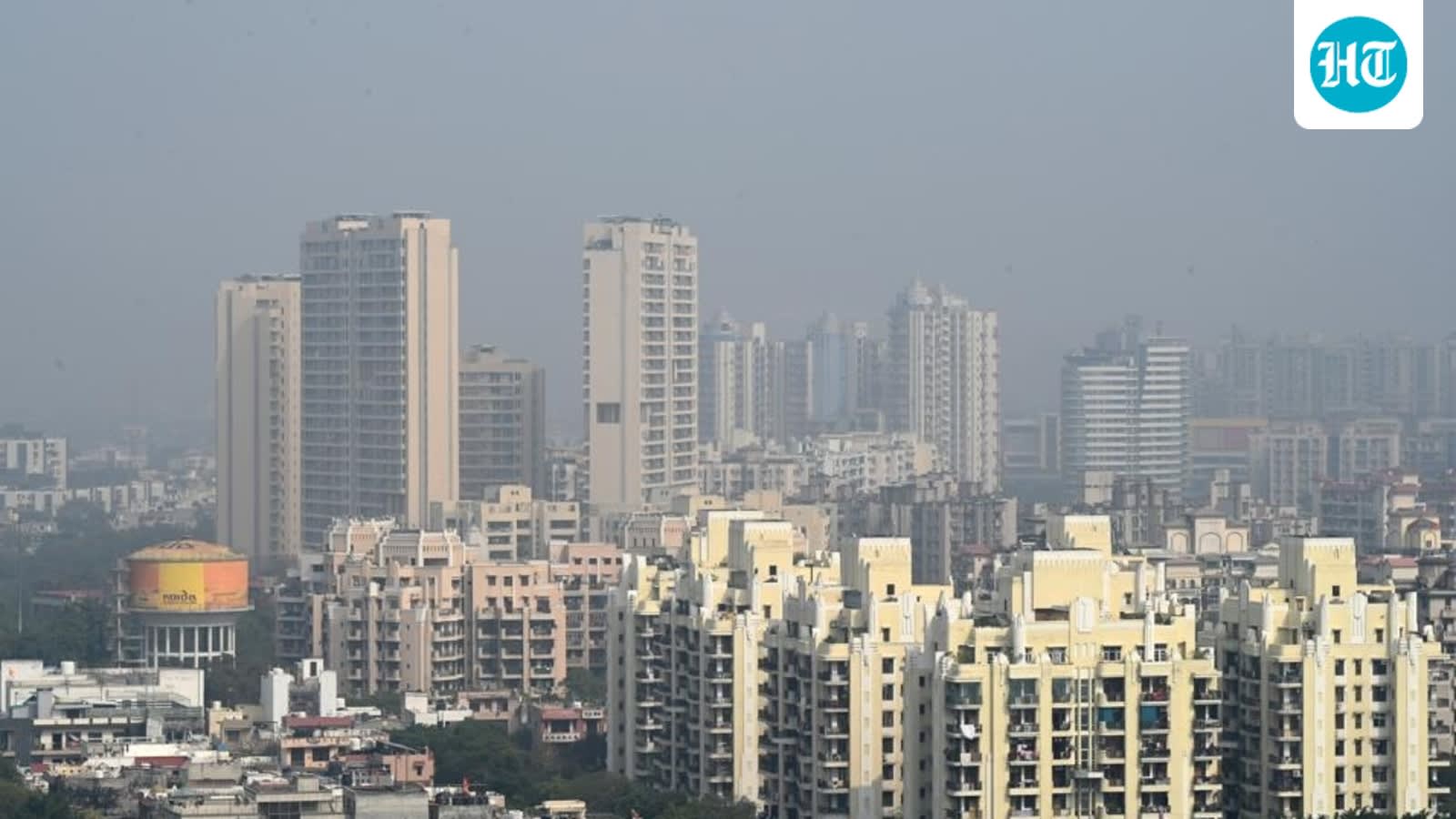
The Delhi Master Plan 2047 shifts urban policy toward rental-focused housing for migrants and vulnerable groups. It also integrates critical disaster resilience measures learned from the Covid-19 pandemic and the 2023 Yamuna floods.
Redefining Urban Living: The Delhi Master Plan 2047
The Delhi Master Plan 2047 marks a significant departure from traditional urban planning models in India, signaling a paradigm shift toward inclusive, transit-oriented development. By prioritizing rental accommodation, including Affordable Rental Housing Complexes (ARHCs), studio apartments, and dormitories, the plan acknowledges the reality of a massive, mobile, and diverse population that fuels the city’s economy. This focus on rental housing is designed to provide greater tenure flexibility and geographical mobility, effectively lowering the entry and exit barriers for low-income households and seasonal workers.
Addressing the Migrant and Seasonal Workforce
For decades, Delhi's planning frameworks struggled to account for the transient nature of its workforce. The 2047 plan directly addresses this by formalizing spaces for migrants, students, and single working professionals. By incentivizing the development of smaller, more efficient living spaces, the government aims to reduce the proliferation of informal settlements. This shift not only provides dignity to the labor force but also integrates them into the formal urban infrastructure, allowing for better access to essential municipal services.
Integrating Disaster Resilience and Climate Adaptation
Beyond housing, the Master Plan 2047 is heavily influenced by the harsh lessons of recent years. The integration of measures to combat urban flooding, pandemic-related health crises, and fire safety protocols demonstrates a proactive approach to city management. Following the unprecedented 2023 monsoon flooding of the Yamuna and the logistical challenges posed by the Covid-19 pandemic, the revised plan incorporates specific interventions for densely populated areas that were previously identified as high-risk zones.
Evolving from the 2041 Draft
Initially conceived as a plan extending to 2041, the delay in notification provided officials with a unique opportunity to refine the document. By incorporating data and experiences from the 2023 floods and public health emergencies, the finalized vision for 2047 is more robust and responsive. The plan now emphasizes the necessity of upgrading vulnerable infrastructure, ensuring that the city is not just expanding, but becoming more resilient to climate-induced catastrophes.
Strategic Implementation and Public-Private Collaboration
To achieve these ambitious goals, the Master Plan 2047 proposes a collaborative model that leverages both public and private housing stocks. By creating a framework that encourages private investment in rental assets, the authorities hope to bridge the supply-demand gap in affordable housing. This synergy is critical, as the sheer scale of Delhi’s population growth requires a multi-stakeholder approach to ensure that the urban fabric remains sustainable and livable for all economic strata.
Future Outlook and Conclusion
As Delhi looks toward 2047, the success of this plan will hinge on its execution and the ability to balance rapid development with environmental safety. By prioritizing flexibility in housing and structural preparedness for disasters, the city is positioning itself to be a more modern, adaptive, and inclusive capital. This comprehensive strategy serves as a blueprint for other rapidly urbanizing cities in India to follow, proving that modern urban planning must be as dynamic as the populations it serves.
Verification Required?