How will the 2027 Census count caste? | Number Theory
Source Entity
Latest News: Todays Latest News Headlines from India & World | Hindustan Times | Hindustan Times
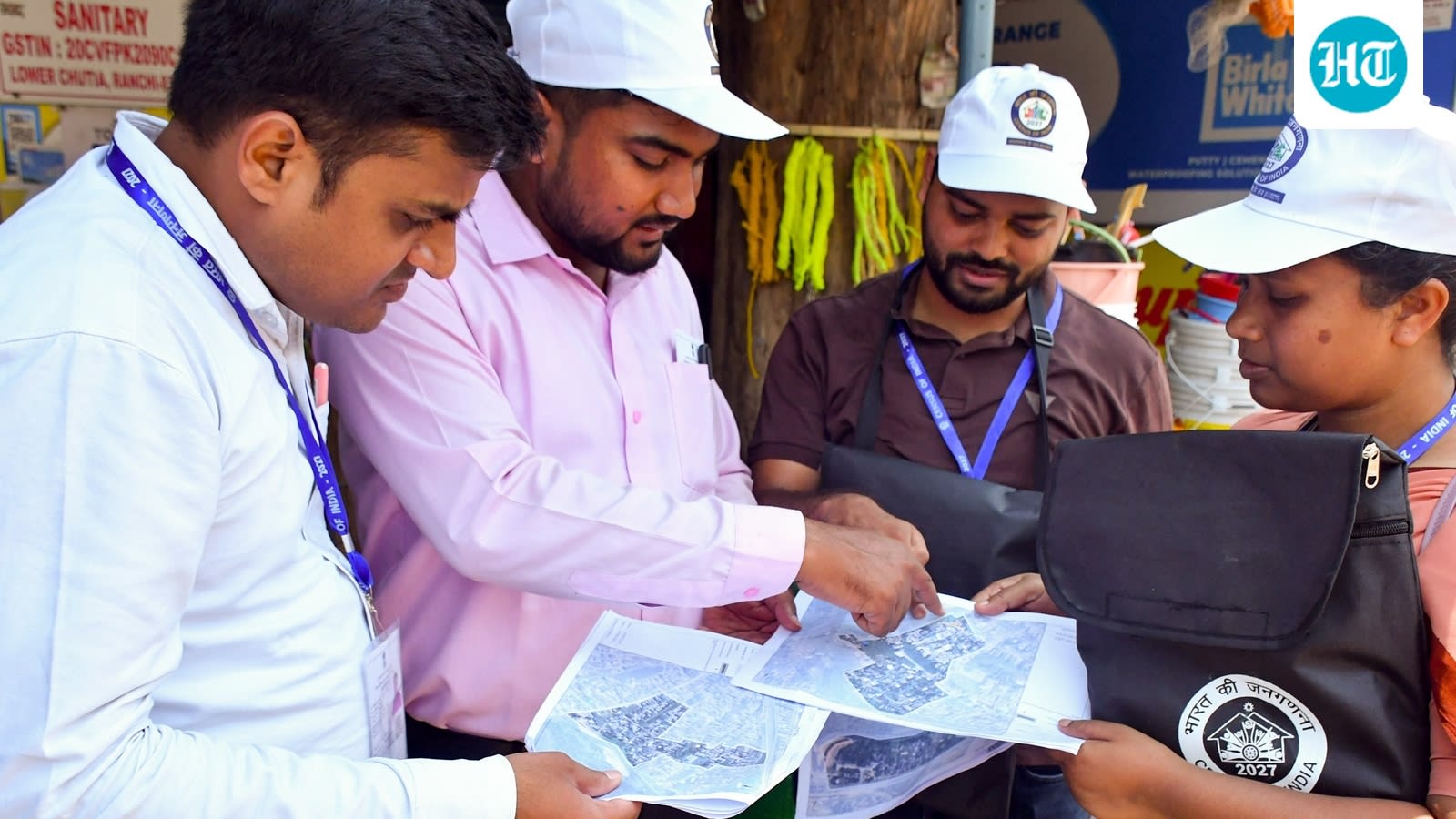
The upcoming 2027 Census faces critical questions regarding whether it will collect granular data on caste beyond SC/ST classifications. Current estimates from surveys like the NFHS and PLFS offer broad population distributions, but experts argue that detailed sub-caste data is essential for meaningful policy insights.
The Complexity of Caste Enumeration in the 2027 Census
As India prepares for the 2027 Census, a central debate has emerged regarding the methodology for capturing caste-based demographic data. While the decennial census has historically provided rigorous counts for Scheduled Castes (SC) and Scheduled Tribes (ST), there is significant uncertainty regarding how it will address the Other Backward Classes (OBC) and the broader non-SC-ST-OBC population. The primary challenge lies in whether the government will implement a granular approach that identifies specific sub-castes, or if it will rely on broader, less actionable categories.
Current Data Landscapes and Existing Benchmarks
To understand the current demographic landscape, analysts have long relied on surrogate data from government surveys. The National Family Health Survey (NFHS) conducted between 2019 and 2021 provided a broad distribution, estimating the population share of SC, ST, OBC, and others at 22%, 9%, 42%, and 27%, respectively. More recently, the Periodic Labour Force Survey (PLFS) of 2025 indicated a similar composition, with figures of 20%, 9%, 46%, and 24%. These figures serve as the current baseline for understanding India’s social stratification.
Validating Survey Estimates through Local Experiments
The utility of these broad survey estimates has been bolstered by the Bihar caste census published in 2023. The results from this state-level exercise suggest that the estimates provided by the National Sample Survey Office (NSSO) and the NFHS were not significantly off the mark. This convergence of data points provides a level of validation, yet it also highlights the limitation of current methods: they provide a 'macro' view that often fails to capture the intricate socio-economic realities of individual sub-castes.
The Need for Granularity in Policy Formulation
The central argument among demographers and policymakers is that without granular sub-caste data, the 2027 Census may fail to provide new insights beyond what is already understood. Granularity is not merely a statistical preference; it is a prerequisite for effective welfare targeting and the design of affirmative action policies. If the census remains confined to aggregate categories, it risks perpetuating the limitations of current data, which often masks disparities between various sub-groups within the OBC and general categories.
Future Trends and Political Implications
The 2027 Census represents a pivotal opportunity to modernize India’s demographic data collection. As the demand for a more detailed caste count grows, the government faces the technical challenge of balancing administrative feasibility with the need for precise social data. Whether the census will evolve to include comprehensive sub-caste enumeration remains the most significant question, as the outcome will undoubtedly shape the trajectory of social justice discourse and public policy for the next decade.
Verification Required?