Parvesh Verma slap row: FIR against AAP's Jarnail, Saurabh Bharadwaj over cop assault
Source Entity
ROHITASHWA RANJAN
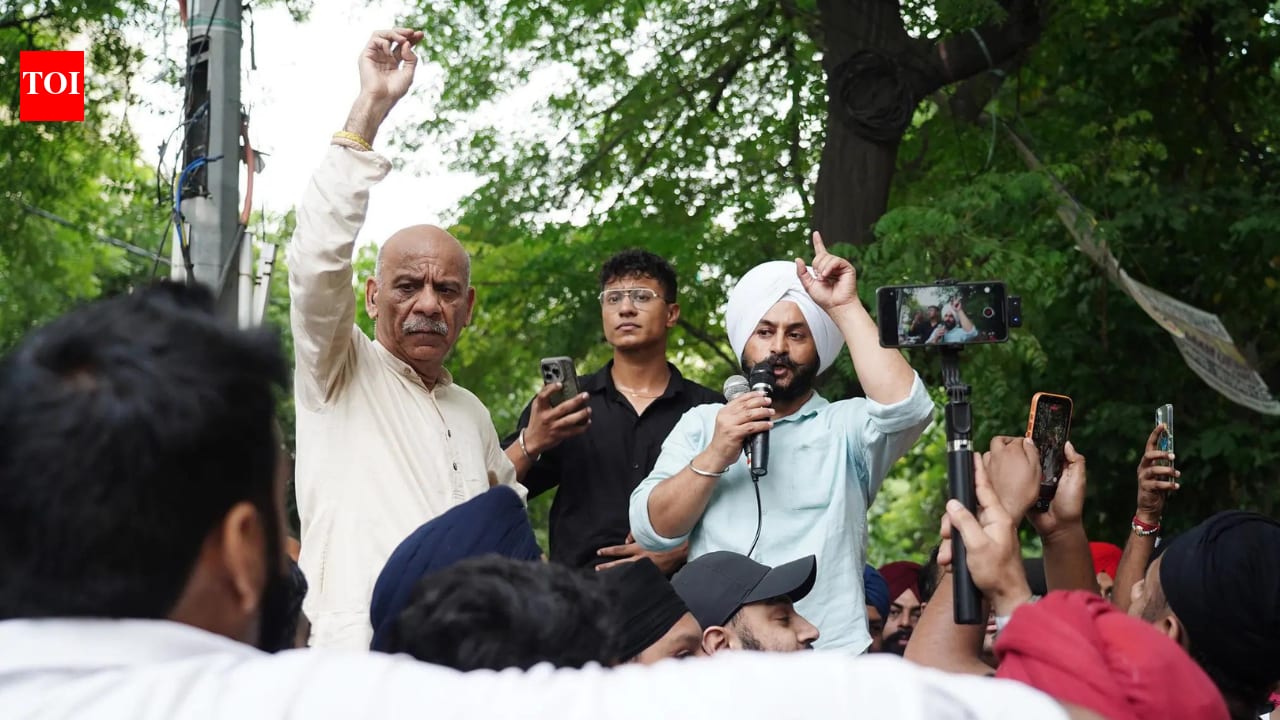
Delhi PWD Minister Parvesh Verma is facing backlash after a viral video captured him slapping a man during a road inspection in Tilak Nagar. The incident has prompted an FIR filing and calls for the minister's arrest by opposition leaders.
The Tilak Nagar Incident: A Breach of Public Conduct
A viral video capturing Delhi PWD Minister Parvesh Verma physically assaulting a man during a road inspection in Tilak Nagar has ignited a significant political firestorm. The footage, widely circulated by Aam Aadmi Party (AAP) leaders, shows the minister approaching a man who was recording the inspection, forcefully pulling down his mobile phone, and subsequently striking him across the face. This overt display of aggression by a high-ranking public official has brought the issue of political accountability and the conduct of elected representatives back into the national spotlight.
Escalation and Allegations
Following the physical confrontation, the situation escalated rapidly as the victim, identified as Saheb, alleged that he was not only assaulted but also received death threats from the minister’s associates. The victim has since sought formal disciplinary action, confirming that an FIR has been registered regarding the incident. These allegations of post-assault intimidation add a layer of gravity to the event, transforming it from a singular moment of loss of temper into a broader concern regarding the safety of citizens who document the activities of public servants.
The Political Fallout
Predictably, the incident has been weaponized by the opposition, with AAP national convenor and former Delhi Chief Minister Arvind Kejriwal demanding the immediate arrest of the minister. The opposition party is leveraging this footage to target the ruling BJP, framing the event as symptomatic of a broader culture of arrogance and impunity within the administration. By calling for a public protest or visit to the site of the incident, the opposition aims to keep the pressure on the government, ensuring that the minister’s actions remain a central point of public discourse.
Public Servants and Public Scrutiny
At the heart of this controversy is the fundamental tension between a minister’s right to perform official duties and a citizen’s right to document or observe public infrastructure inspections. While government officials are tasked with the oversight of development projects, they are simultaneously subject to public scrutiny. The act of slapping a citizen who is filming an inspection is viewed by many as a direct infringement on transparency and a failure to maintain the decorum expected of a constitutional authority.
Broader Implications for Governance
This event serves as a stark reminder of the volatile intersection between social media documentation and political accountability. In an era where almost every public interaction is captured on camera, the threshold for acceptable conduct by officials has arguably shifted. Future trends suggest that political parties will increasingly use such footage to challenge the moral legitimacy of their rivals. For the administration, this incident necessitates a re-evaluation of how public-facing officials manage their interactions with the press and the public during high-stress site visits.
Conclusion
As the legal process unfolds with the registered FIR, the incident remains a litmus test for accountability in Delhi's political landscape. Whether this leads to genuine disciplinary consequences or remains a point of partisan posturing will depend on the impartiality of the subsequent investigation. Ultimately, the Tilak Nagar incident underscores the necessity for restraint and professionalism, reminding those in power that their actions are under constant watch by the very public they serve.
Multiple Citing Sources