Veeramani POCSO case: DMK moves Madras High Court to ask SIT to summon Tamil Nadu CM Vijay, Ministers Aadhav Arjuna and Nirmal Kumar
Source Entity
India Latest News: Top National Headlines Today & Breaking News | The Hindu
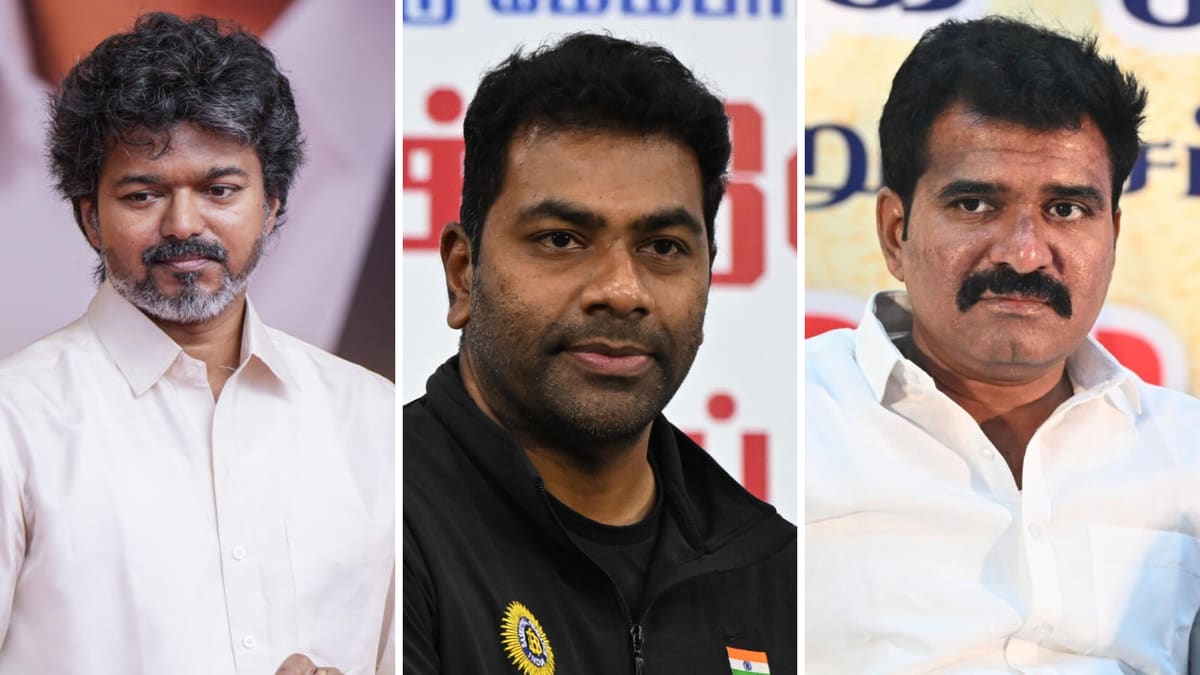
The DMK has petitioned the Madras High Court to compel an SIT to examine whether Tamil Nadu CM C. Joseph Vijay and two ministers possess evidence regarding allegations of shielding R. Veeramani in a POCSO case. Simultaneously, the accused ministers are seeking to dismiss a separate defamation lawsuit filed by the DMK, citing procedural failures.
Legal Confrontation Intensifies in Tamil Nadu Politics
The political landscape in Tamil Nadu has become increasingly litigious following a high-stakes petition filed by the Dravida Munnetra Kazhagam (DMK). The party, represented by treasurer T.R. Baalu, has approached the Madras High Court to direct a Special Investigation Team (SIT) to summon Chief Minister C. Joseph Vijay, along with Ministers Aadhav Arjuna and C.T.R. Nirmal Kumar. The core objective of this judicial intervention is to ascertain whether these high-ranking officials possess any credible evidence to support their public claims that the DMK previously acted to shield R. Veeramani, the Gem Granites founder currently implicated in a serious POCSO (Protection of Children from Sexual Offences) Act case.
The Quest for Accountability
This move signifies a strategic pivot by the DMK to force transparency regarding the accusations leveled against them. By seeking a court-mandated summons for the Chief Minister and his cabinet colleagues, the party aims to compel the administration to either produce concrete proof of their allegations or face the legal consequences of unsubstantiated political rhetoric. The SIT, which was specifically constituted as an all-women team to handle the sensitive nature of the POCSO investigation, now finds itself at the center of a political tug-of-war that transcends the original criminal proceedings.
Procedural Defenses and Countersuits
Parallel to the DMK's petition, Ministers Aadhav Arjuna and C.T.R. Nirmal Kumar have launched their own legal defense. They have urged the Madras High Court to dismiss a separate ₹1 crore defamation suit initiated by the DMK. Their legal strategy centers on procedural technicalities, specifically arguing that the DMK failed to issue mandatory prior notices as required under Section 80 of the Code of Civil Procedure (CPC). By highlighting these potential lapses in the DMK’s filing, the ministers are attempting to neutralize the defamation threat before it reaches the discovery stage.
The Implications of the Defamation Dispute
In a counter-affidavit presented by senior counsel Vijay Narayan, Law Minister C.T.R. Nirmal Kumar categorically denied making false or defamatory statements. The defense maintains that the suit is fundamentally unmaintainable due to the lack of adherence to established legal procedures. This legal maneuvering serves to delay the merits of the defamation case while simultaneously challenging the legitimacy of the DMK's grievances in the public eye. The focus on procedural compliance underscores the high level of caution being exercised by both sides as they navigate these volatile allegations.
Broader Political and Judicial Context
These developments reflect a broader trend where criminal investigations, particularly those involving high-profile individuals and child protection laws, are increasingly intertwined with partisan political warfare. The use of the judiciary to resolve claims of political interference suggests a deep breakdown in political discourse, where the courtroom is now the primary venue for settling ideological and reputation-based scores. The outcome of these petitions will likely set a significant precedent for how political parties in India utilize the judicial system to address public accusations of corruption and misconduct.
Future Outlook and Conclusion
The ongoing legal battles underscore a period of profound instability in the state's political climate. As the Madras High Court deliberates on the maintainability of both the DMK’s request for summons and the ministers’ motion to dismiss the defamation suit, the public remains caught between competing narratives of accountability. Future trends suggest that if the court permits the examination of the Chief Minister and his ministers, it could lead to a significant shift in the power dynamics of the state, potentially exposing deeper fractures within the administration and the efficacy of the SIT's investigation into the Veeramani case.
Verification Required?