CJP leaders to meet Delhi Police tomorrow to seek date for ‘peaceful protest’
Source Entity
The Indian Express
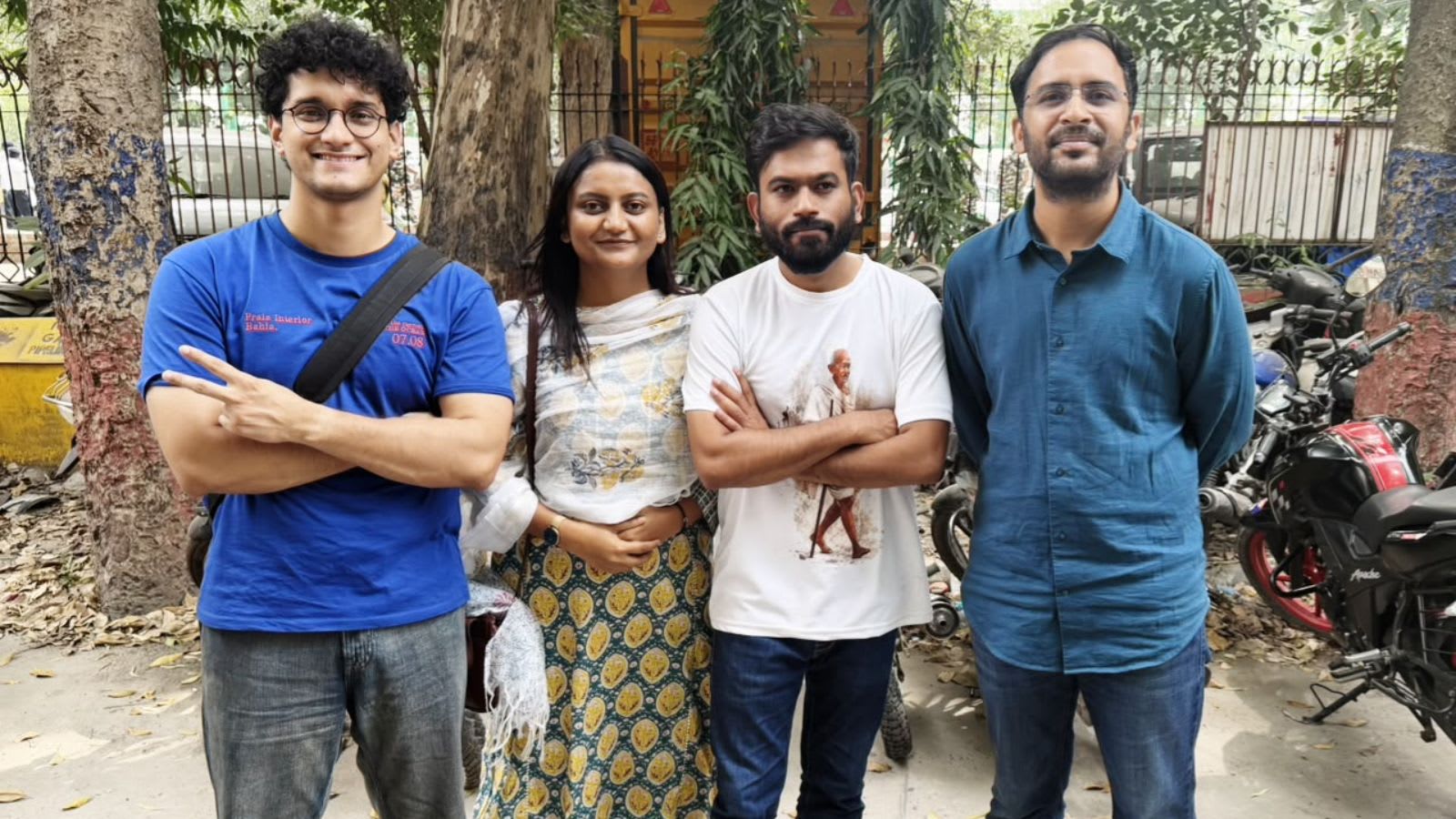
Gautam Budh Nagar and Delhi police have implemented strict security measures, including Section 163 and mass detentions, ahead of a planned Cockroach Janta Party protest. Authorities have deployed 35,000 personnel to mitigate potential public disorder and unrest.
Security Crackdown in the National Capital Region
The administration in the National Capital Region (NCR) has initiated a robust security apparatus in response to the Cockroach Janta Party's (CJP) call for a protest at Jantar Mantar. With the Gautam Budh Nagar police imposing restrictions under Section 163 of the Bharatiya Nagarik Suraksha Sanhita (BNSS), 2023, the authorities are signaling a zero-tolerance approach toward unauthorized public gatherings. These measures, which remain in effect until October 20, represent a strategic attempt to maintain public order in the face of escalating political tensions.
Preemptive Measures and Preventive Detentions
In a clear effort to neutralize potential volatility, the Delhi Police executed overnight operations across 15 districts, resulting in the detention of at least 100 individuals with criminal records. These preemptive actions serve as a deterrent against the infiltration of anti-social elements into the protest. By targeting individuals who may disrupt the peace, the police are actively attempting to prevent the escalation of the ongoing row involving the Election Commission and Election Commissioner Gyanesh Kumar.
Logistical Constraints and Public Safety
Beyond administrative orders, the ground-level security plan is substantial, involving the deployment of 35,000 security personnel. This massive mobilization highlights the severity with which the administration views the potential for civil unrest. The restrictions include prohibitions on storing hazardous materials like bricks or stones in open spaces and limitations on public assembly, which are intended to prevent the protest from spiraling into violent clashes or property destruction.
Urban Disruption and Public Life
The planned protest has necessitated significant adjustments to urban life in Delhi. Residents should anticipate localized disruptions, including potential road blockades and limited metro services. The decision to deny formal permission for the Jantar Mantar gathering, based on alleged non-compliance with previous protest conditions, places the CJP and the police in a direct standoff, further complicating the movement of citizens across the capital.
Broader Implications and Future Trends
This sequence of events highlights a growing trend of administrative friction regarding the use of public spaces for political expression. As the authorities prioritize security and the maintenance of public order, the tension between the right to protest and the state's duty to ensure safety remains a critical point of contention. Moving forward, it is likely that administrative bodies will continue to utilize Section 163 and similar legal frameworks to preemptively manage political dissent, signaling a period of heightened caution in the capital's political landscape.
Multiple Citing Sources