'Cops knew I'd lost my grandma, yet insisted I sign arrest papers': CJP's Dipke
Source Entity
LAIRENLAKPAM WARLI
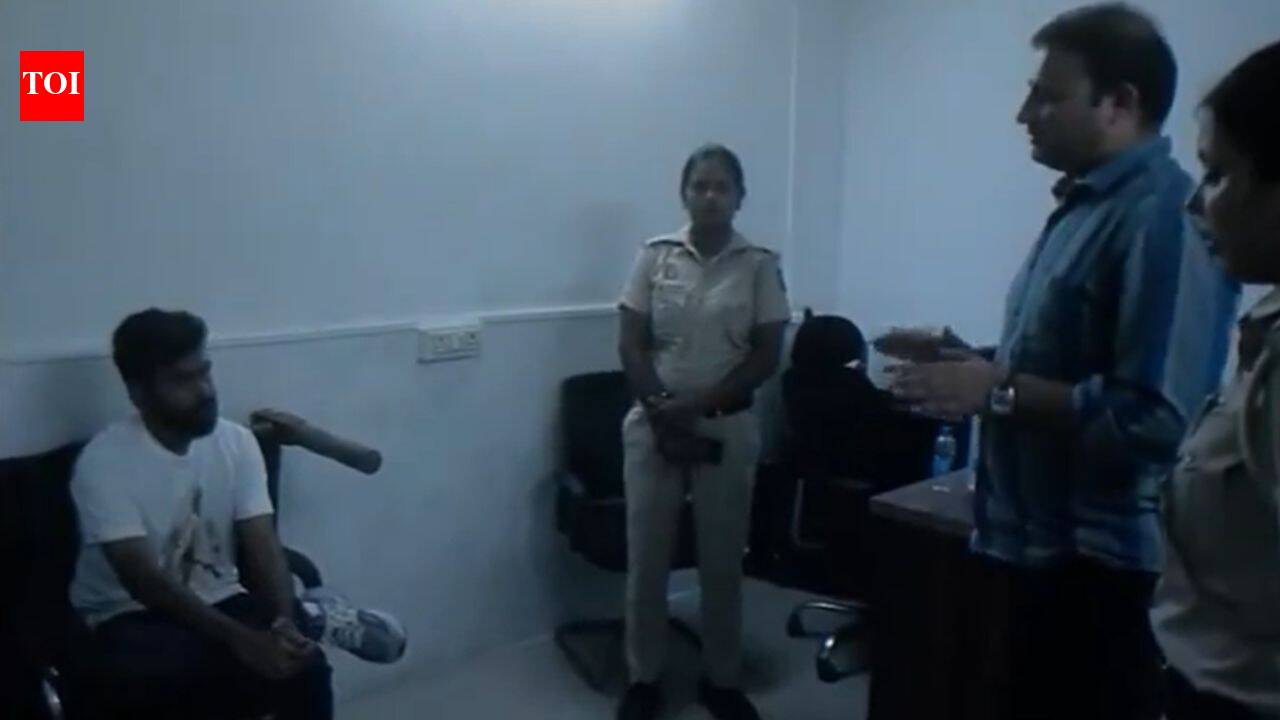
Gautam Budh Nagar and Delhi Police have implemented strict security measures and preventive detentions ahead of a planned Cockroach Janta Party protest. Authorities cite potential risks to public order, deploying 35,000 personnel and restricting gatherings to manage the situation.
Security Clampdown in the National Capital Region
The Gautam Budh Nagar police have officially implemented restrictive measures effective until October 20, 2026, in response to a planned protest by the Cockroach Janta Party (CJP) at Jantar Mantar. These measures, enacted under Section 163 of the Bharatiya Nagarik Suraksha Sanhita (BNSS), 2023, represent a proactive attempt by law enforcement to maintain public order in the face of potential civil unrest. By banning unauthorized processions and gatherings of five or more people in public spaces, authorities aim to create a sterile environment around sensitive zones.
The Strategic Rationale for Preventive Detention
Beyond simple crowd control, the Delhi Police have initiated aggressive intelligence-led operations. Reports indicate that at least 100 individuals with existing criminal records have been taken into preventive custody across 15 districts. This strategy is designed to neutralize potential agitators who might leverage the CJP protest to incite violence or disrupt public peace. By isolating these individuals, the police hope to mitigate the risk of the demonstration escalating beyond a peaceful assembly into a volatile confrontation.
Operational Scale and Deployment
To ensure the effectiveness of these restrictions, the Delhi Police have mobilized a massive security apparatus. With a 35,000-strong force deployed across the city, the security plan is one of the most comprehensive in recent times. This deployment includes the implementation of strategic road blockades and the enforcement of movement restrictions. These measures reflect the seriousness with which the authorities view the protest, particularly given the ongoing tensions surrounding the Election Commission and the specific grievances raised against CEC Gyanesh Kumar.
Logistical Impact and Public Safety
The ripple effects of this security grid are substantial, with significant disruptions expected for daily commuters. Metro services and local markets are slated for operational adjustments, causing potential inconvenience to the public. The police order also explicitly prohibits the storage of materials that could be weaponized, such as bricks or flammable substances, and bans the burning of effigies in open spaces. Such granular restrictions are intended to prevent the protest from becoming a focal point for arson or property damage.
Regulatory and Legal Framework
The denial of permission for the Jantar Mantar demonstration by the Joint Commissioner of Police (New Delhi), Nupur Prasad, serves as a focal point for the current conflict. The police cited a lack of compliance with previous protest conditions and late-notice applications as the primary reasons for the rejection. This highlights a recurring tension between the right to assemble and the state’s duty to ensure public safety. As the October 20 deadline approaches, the situation remains fluid, with the state prioritizing the prevention of anti-social elements over the facilitation of the protest.
Future Implications and Outlook
The current standoff underscores the increasing difficulty of balancing democratic expression with the need for law and order in a dense urban environment. Should the CJP protest proceed despite the denials, the heavy security presence suggests that the state is prepared for a long-duration confrontation. Looking forward, these events will likely spark further debate regarding the use of the BNSS 2023 provisions in managing political dissent, potentially setting a precedent for how future protests in the National Capital Region are regulated and suppressed.
Multiple Citing Sources