Delhi: 8 injured as under-construction hotel collapses, 2nd such incident in 10 days
Source Entity
Pragynesh
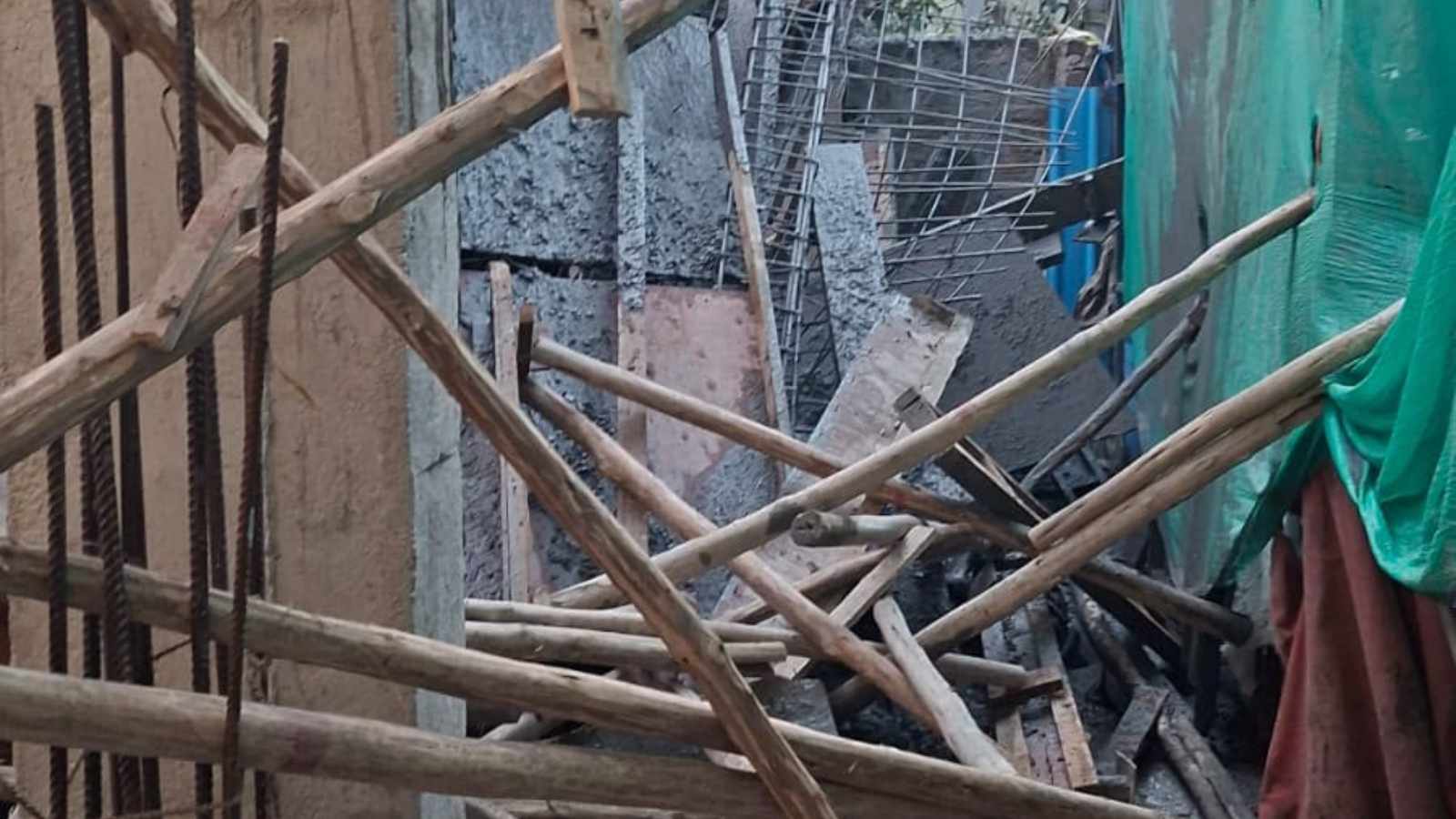
Eight people were injured following a building collapse in Delhi's Paharganj area, marking the second such incident in Old Delhi within ten days. Authorities have apprehended the owner and contractor as investigations into construction standards and potential violations under current pollution norms continue.
Building Collapse in Paharganj: A Pattern of Urban Risk
On Sunday, a part of an under-construction hotel collapsed in the densely populated Paharganj area of Old Delhi, leaving eight people injured. This incident marks a harrowing trend in the national capital, as it represents the second significant structural failure in Old Delhi within a span of just ten days. The previous disaster, occurring on November 5 in Chawri Bazar, resulted in the tragic loss of seven lives when a three-storey building crumbled, highlighting systemic vulnerabilities in the region's construction landscape.
The Incident and Immediate Response
According to the Delhi Fire Services (DFS), emergency responders were alerted at approximately 4:40 pm regarding a collapse in Kasheruwalan. Upon arrival, officials discovered a two-floor structure had failed within a narrow lane, tightly hemmed in by taller residential buildings. The complexity of the site, characterized by cramped infrastructure, significantly hampered rescue efforts and underscores the extreme logistical challenges inherent in managing construction work within Delhi's historical, congested districts.
Legal and Administrative Accountability
In the immediate aftermath, Delhi Police apprehended the building owner, identified as Raman, and the contractor, Anwar. While the Municipal Corporation of Delhi (MCD) has issued an initial statement suggesting the building had the necessary permits and was not categorized as ‘unauthorised,’ the investigation is shifting toward the quality of materials used. Authorities are rigorously examining whether compromised construction materials or structural negligence played a role in the collapse, as the safety of such projects remains under intense public scrutiny.
Regulatory Compliance and GRAP-4
Beyond structural integrity, the investigation is also assessing compliance with environmental regulations. With GRAP-4 (Graded Response Action Plan) measures currently in force across Delhi to combat severe air pollution, construction activities are subject to strict limitations regarding dust generation. Investigators are probing whether the site was operating in violation of these anti-pollution mandates, which would signify a broader disregard for both public safety and municipal environmental law.
Broader Implications for Urban Safety
These successive incidents raise critical questions about the enforcement of safety protocols in Old Delhi’s older neighborhoods. The prevalence of narrow lanes and aging infrastructure makes any unregulated or substandard construction a major threat to public life. As the city continues to densify, the pressure to renovate or rebuild existing structures often clashes with safety standards, leading to the hazardous conditions witnessed in both the Paharganj and Chawri Bazar incidents.
Future Trends and Policy Outlook
Moving forward, it is likely that the MCD and local law enforcement will increase oversight of construction projects in high-density zones. The recurring nature of these collapses suggests a need for more rigorous, ongoing inspections rather than just initial permit approval. Future policy trends will likely emphasize stricter accountability for contractors and owners, potentially requiring more frequent structural audits to ensure that the rapid pace of urban development does not come at the cost of human lives.
Multiple Citing Sources