118 cops & 60 marchers injured: Cops block protesters' march to Parl; Nadda meets CJP leaders
Source Entity
TNN
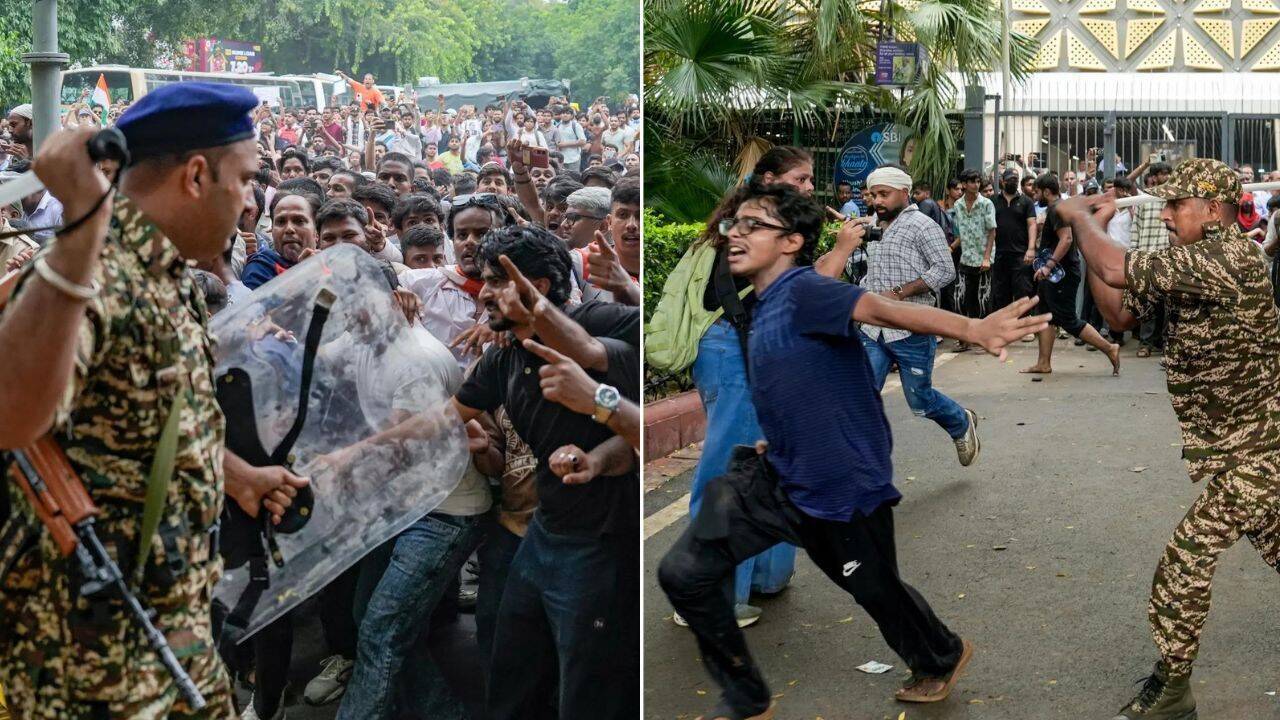
A CJP-led march in Delhi demanding the Education Minister's resignation descended into violence, resulting in over 100 injuries and numerous detentions. Sonam Wangchuk was removed from the protest site and taken to Safdarjung hospital amid the chaotic clashes.
The Delhi Parliament March: A Breakdown of Civil Unrest
The Escalation of Protest
On Monday, the heart of Delhi witnessed a significant escalation in civil unrest as a march led by the CJP (Climate Justice/Civil Justice Protesters) aimed at the Parliament resulted in widespread chaos. What began as an organized demonstration demanding the resignation of Education Minister Dharmendra Pradhan quickly deteriorated into a volatile confrontation between protesters and law enforcement. The atmosphere, described as a cacophony of sirens and teargas, saw the iconic Gurdwara Bangla Sahib become a temporary sanctuary for those fleeing the lathi-charge and the unfolding violence on Parliament Street.
The Human Cost and Police Response
According to official statements from the Delhi Police, the scale of the confrontation was severe, with over 118 police personnel sustaining injuries during the clashes. The authorities reported that protesters engaged in the destruction of public property, vandalism of government vehicles, and the use of physical objects, including stones, against security forces. The police justified their actions by citing the protesters' refusal to disperse despite prohibitory orders, noting that approximately 70 individuals were detained and 60 protesters were also injured during the scuffle.
The Role of Sonam Wangchuk
Central to the narrative of the day was the involvement of activist Sonam Wangchuk, who was a focal point for the marchers. As the situation reached a boiling point, police intervened to shift Wangchuk from the protest site to Safdarjung Hospital. This removal served as a pivotal moment in the day’s events, further heightening tensions among the protesters who carried placards in support of his cause and expressed deep distress over the treatment of those involved in the march.
Broader Implications for Civil Discourse
This incident highlights the growing tension between organized protest movements and state administrative responses in India’s capital. The use of an iconic religious site like Gurdwara Bangla Sahib as a refuge underscores the desperation felt by participants in the face of escalating police force. The demand for a cabinet minister's resignation signals a deep-seated grievance within the protest group, reflecting a broader trend of public dissatisfaction that often manifests in these high-stakes demonstrations.
Future Trends and Conclusion
As the dust settles on this tumultuous afternoon, the event raises critical questions regarding the management of public dissent and the safety of both demonstrators and law enforcement officers. The high number of injuries on both sides suggests a failure in communication and de-escalation strategies. Moving forward, the incident is likely to prompt further scrutiny of police protocols during massive demonstrations and may serve as a catalyst for future legislative or social debates regarding the accountability of government officials versus the rights of citizens to protest.
Multiple Citing Sources