Security Measures To Talks: How Centre Handled Escalation Of CJP Protest
Source Entity
NDTV News Search Records Found 1000
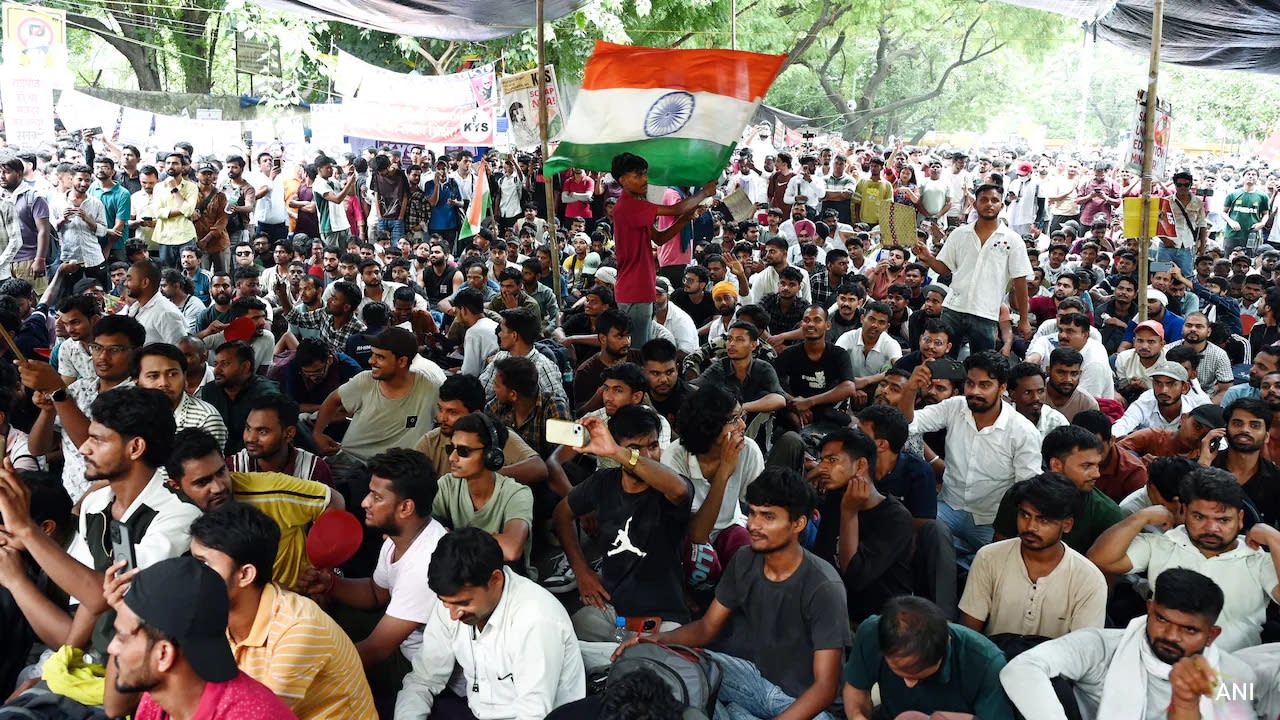
A CJP-led protest march in Delhi demanding the Education Minister's resignation turned violent, resulting in widespread injuries to both police and protesters. The situation escalated into a confrontation involving teargas and lathi-charges, leading to the hospitalisation of activist Sonam Wangchuk.
Turmoil in the Capital: The CJP-Led Parliament March
On a tumultuous afternoon in Delhi, the intersection of political dissent and law enforcement reached a breaking point as a march organized by the CJP (Campaign for Justice/Protest) descended into chaos. Thousands gathered on Parliament Street to demand the resignation of Education Minister Dharmendra Pradhan, with the spirit of the protest centered around supporting activist Sonam Wangchuk. The atmosphere, initially characterized by slogans, quickly shifted as the area became a site of clashing forces, marked by the sound of ambulance sirens and the deployment of teargas shells.
The Human Cost of the Confrontation
The human impact of the day was significant, with both authorities and demonstrators suffering substantial injuries. Delhi Police reported that over 118 of their personnel, including senior officers, were wounded during the scuffle, citing attacks with stones and other projectiles. Simultaneously, approximately 60 protesters were reported injured, with many seeking refuge in the nearby Gurdwara Bangla Sahib. The visual reality of the protest—individuals clutching damp handkerchiefs to mitigate teargas effects—highlights the severity of the crowd control measures employed.
Escalation and Police Response
The Delhi Police maintained that the escalation was a direct result of the protesters' behavior, which they described as unruly and aggressive. According to official statements, the crowd refused to comply with lawful directions and prohibitory orders, choosing instead to breach barricades, vandalize government property, and engage in large-scale violence. This narrative from the police underscores the tension inherent in high-stakes political demonstrations in the heart of the national capital, where security protocols are strictly enforced to protect government installations.
The Role of Activism and Institutional Conflict
Central to this unrest is the support for Sonam Wangchuk, whose presence and subsequent removal by police to Safdarjung Hospital became a focal point of the day’s events. The demand for the resignation of the Education Minister suggests deep-seated grievances regarding current educational policies or administrative accountability. When movements rally around individual figures like Wangchuk, the dynamics of the protest often shift from policy-based grievances to broader symbolic confrontations with the state.
Historical Context and Future Implications
Delhi has long served as the theater for such intense political expressions, where the proximity of protest sites to Parliament creates a perennial friction between the right to assemble and the necessity of maintaining public order. The events of this Monday are reflective of a broader trend where public demonstrations increasingly result in physical confrontations between state machinery and grassroots activists. Looking forward, this incident likely signals a period of heightened scrutiny over protest management in Delhi, as the government faces pressure to balance democratic expression with the security of public infrastructure.
Conclusion
The events surrounding the CJP-led march serve as a stark reminder of the volatility inherent in modern political protest. As the dust settles and investigations into the violence proceed, the focus will remain on the accountability of both the demonstrators and the law enforcement agencies involved. The incident highlights the urgent need for a constructive dialogue between the government and those demanding change, lest the streets of Delhi continue to be defined by the cycle of protest, suppression, and physical injury.
Multiple Citing Sources
Verification Required?