Delhi cops release clip of Dipke denying offer to return home over grandmother's death
Source Entity
Latest News: Todays Latest News Headlines from India & World | Hindustan Times | Hindustan Times
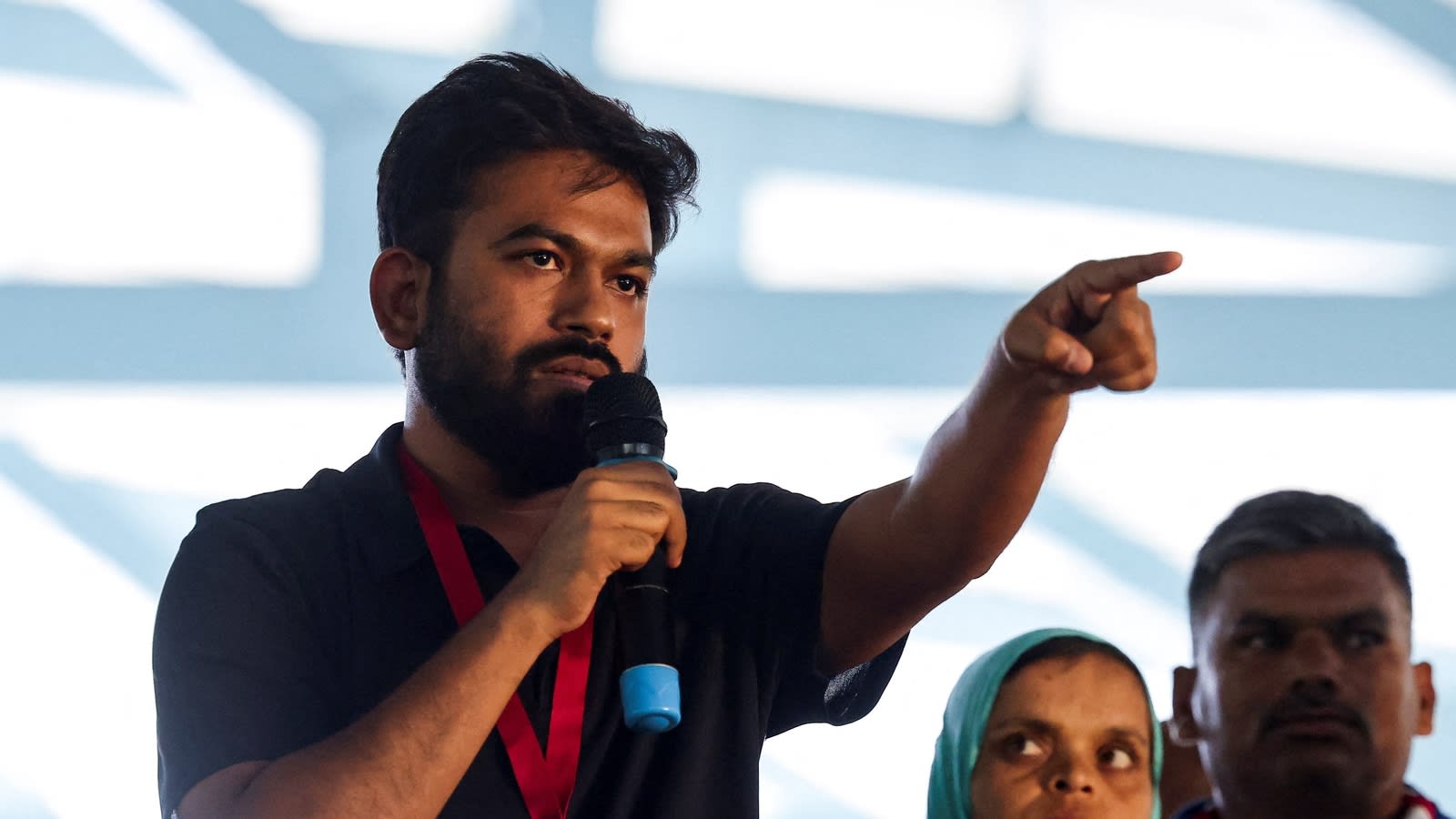
The Delhi Police released footage showing activist Abhijeet Dipke declining an offer to return home following his grandmother's death. Dipke has countered this, alleging police intimidation and a denial of access to legal counsel.
The Controversy Surrounding Abhijeet Dipke's Detention
A recent dispute has emerged between the Delhi Police and Abhijeet Dipke, the founder of the Cockroach Janta Party (CJP), following his detention. The core of the issue involves conflicting accounts regarding how authorities handled the news of Dipke's grandmother’s passing. The Delhi Police have taken the unusual step of releasing video evidence to support their assertion that they acted with sensitivity and provided Dipke with opportunities to contact his family.
The Official Police Account
According to DCP Neha Yadav, the Delhi Police were proactive in informing Dipke of his grandmother's death. The official narrative suggests that officers offered comprehensive assistance, including logistical support for travel and access to telecommunications to speak with his parents. The police maintain that Dipke repeatedly refused these offers, a claim they substantiated by releasing a video clip intended to demonstrate his refusal to engage with the provided options for communication or assistance.
Dipke’s Rebuttal and Allegations of Harassment
In a sharp rebuttal, Dipke has challenged the police's portrayal of the events. He alleges that the interaction was far from the compassionate exchange described by officials. Instead, Dipke claims that he was denied access to his phone, which he needed to retrieve contact information for his cousin and to secure legal representation. His account paints a picture of a coercive environment rather than one of support.
The Question of Timing and Intimidation
Central to Dipke’s defense is the timing of the police requests. He has questioned why officers insisted that he contact his father at 3:30 a.m. to discuss the possibility of a lengthy prison sentence. Dipke characterizes this as an attempt to torment his family during a time of grief, rather than a genuine offer of support. This highlights a significant disparity in the interpretation of police conduct: what the authorities frame as procedural compliance, Dipke frames as psychological pressure.
Broader Implications for Civil Liberties
This incident underscores the ongoing tensions between law enforcement agencies and political activists in the capital. When authorities release video clips to shape public perception, it raises important questions regarding the transparency and ethics of digital evidence in the age of social media. The public is left to weigh the visual evidence provided by the police against the documented allegations of intimidation leveled by the detainee.
Future Trends in Accountability
As this situation unfolds, it serves as a case study for the necessity of third-party oversight in custodial interactions. The conflicting narratives suggest that without independent verification, the truth remains obscured by competing agendas. Future legal proceedings will likely focus on whether the police adhered to established protocols for informing detainees of life-altering personal news and if the constitutional right to legal counsel was upheld during the period in question.
Verification Required?