Murder, robbery, rape accused among 989 with criminal records at CJP's Jantar Mantar stir
Source Entity
TOI CITY DESK
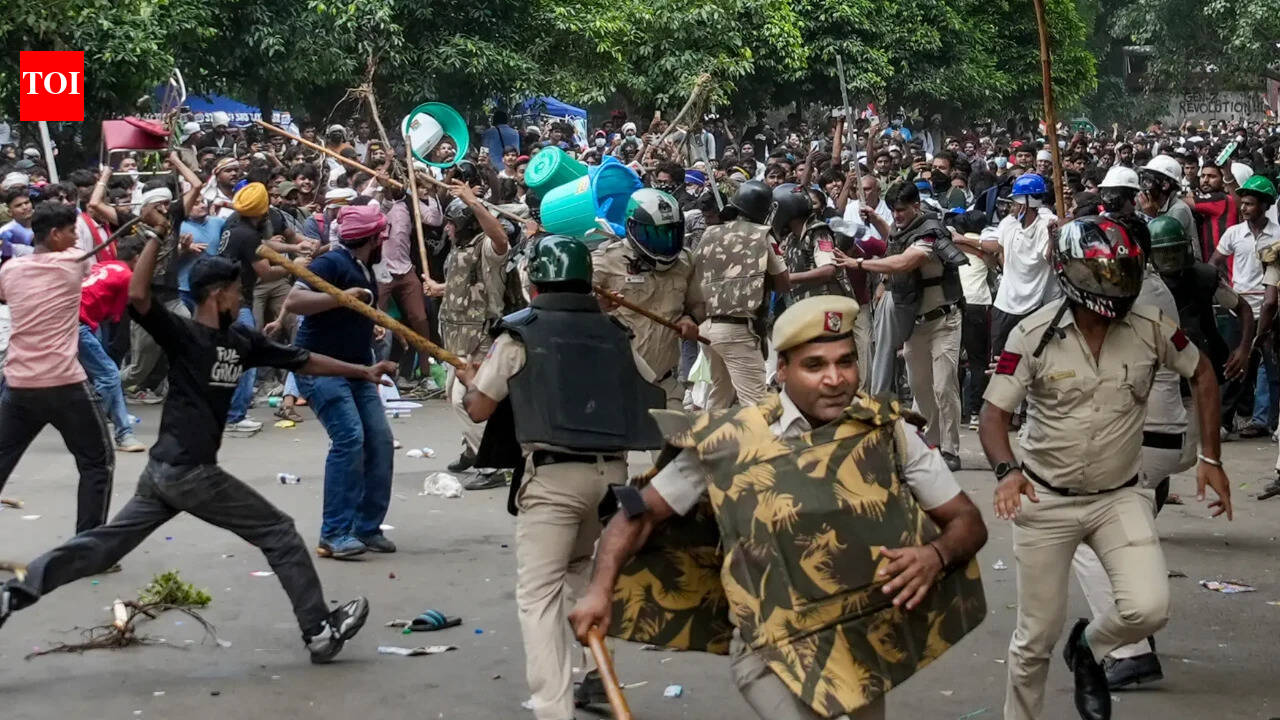
Delhi Police have identified 989 individuals with criminal records among participants of the CJP Jantar Mantar protest. Authorities maintain that cases involving assaults on journalists will not be withdrawn as investigations into the violent 'Sansad Chalo' demonstration continue.
Analysis of Criminal Records and Legal Proceedings Following Jantar Mantar Protests
The Scope of Police Scrutiny
Following the July 20 “Sansad Chalo” protest organized by the Cockroach Janta Party (CJP) at Jantar Mantar, Delhi Police launched an extensive verification exercise. By utilizing face-scanning technology and database cross-referencing, authorities screened 2,873 individuals present at the site. The results revealed that 989 of these participants possessed prior criminal records. The severity of these records is notable, encompassing serious charges such as murder, rape, robbery, kidnapping, and possession of illegal arms and narcotics.
Context of the July 20 Violence
The verification process was a direct response to the violent clashes that erupted during the demonstration. The confrontation between protesters and security forces resulted in significant casualties, with over 200 police personnel and 65 protesters sustaining injuries. While protesters have alleged the use of excessive force, including pellet guns, by security personnel, the police have focused their efforts on identifying habitual offenders who may have exacerbated the unrest.
Legal Standing and Withdrawal of Cases
A significant point of contention remains the status of legal cases filed during the unrest. Despite public pressure or calls for leniency, sources within the Delhi Police have confirmed that the government has not issued orders to withdraw cases against protesters. Specifically, authorities have drawn a firm line regarding assault cases filed by journalists, stating definitively that these will not be taken back. This indicates a strict judicial approach aimed at maintaining accountability for acts of violence against members of the press.
Habitual Offenders and Investigative Priorities
The police investigation is bolstered by the fact that many of the identified individuals were already present in law enforcement databases as habitual offenders. By zeroing in on these specific profiles, investigators aim to distinguish between peaceful demonstrators and those who may have been involved in orchestrating or participating in criminal activities during the protest. This data-driven approach is intended to streamline the ongoing probe into the violence, ensuring that the legal process addresses the specific criminal actions documented on the day of the protest.
Broader Implications for Public Order
The situation highlights the complex intersection of the right to protest and the maintenance of public order in the national capital. The use of surveillance technology to track criminal history at political gatherings reflects a growing trend in modern policing, where authorities prioritize the identification of potential agitators to prevent large-scale violence. As the investigation progresses, the distinction between civil dissent and criminal conduct remains a critical focus for Delhi Police, particularly as they refuse to drop charges related to violence and assault.
Conclusion
In summary, the Delhi Police are maintaining a rigorous legal stance following the July 20 incident. With nearly 1,000 individuals identified as having criminal histories and a firm refusal to withdraw charges related to violence against journalists, the state is signaling a policy of strict enforcement. The ongoing legal proceedings will likely continue to be shaped by these findings as investigators work to process the evidence gathered from the Jantar Mantar site.