'Your angry face is their content': Delhi Police told how not to respond to new-gen protesters
Source Entity
Latest News: Todays Latest News Headlines from India & World | Hindustan Times | Hindustan Times
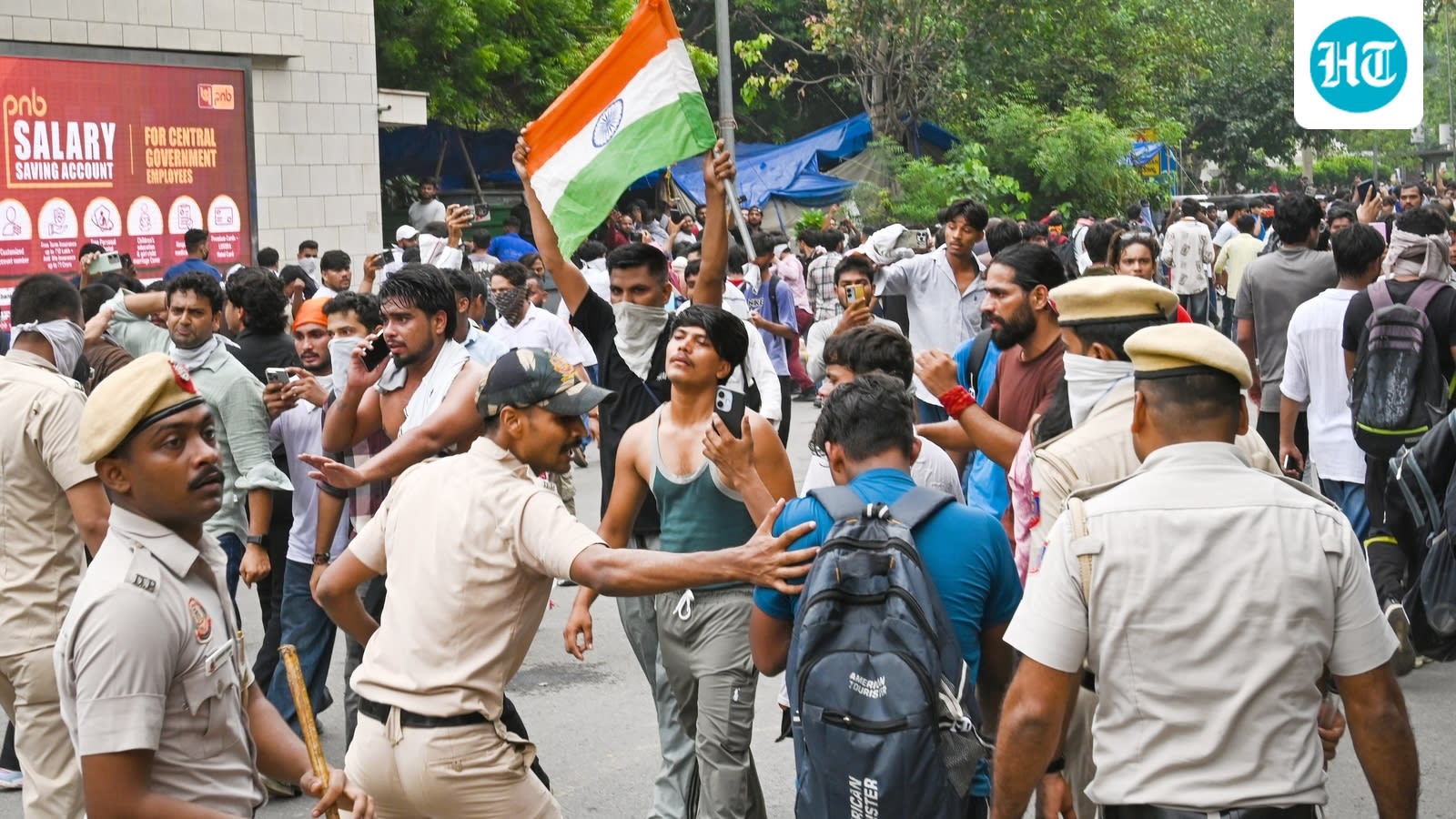
The Delhi Police has issued new guidelines instructing officers to remain calm and avoid emotional engagement with protesters. These directives aim to prevent officers from becoming unwitting participants in viral content designed to portray them negatively.
Navigating the Digital Frontline: Delhi Police's New Protest Protocol
In an era defined by the ubiquity of smartphones and the instant virality of social media, the Delhi Police has introduced a strategic shift in how its personnel manage public demonstrations. Recognizing that modern agitation is as much about digital optics as it is about physical presence, the force has issued explicit directives warning officers against falling for tactics designed to elicit reactive behavior. The central premise of this new policy is simple yet profound: an officer’s emotional response is often the exact commodity protesters are seeking to capture for online distribution.
The 'Villain' Narrative and Digital Content Creation
The core of the new directive centers on the realization that protesters may intentionally provoke officers to frame them as antagonists in a curated narrative. By crying, falling at the feet of personnel, or asking pointed questions about personal family backgrounds or salary structures, demonstrators seek to trigger a reaction that can be edited into a compelling video. The Delhi Police's guidance—"Your angry face is their content. They are not fighting you. They are making a film in which they want you to play the villain. Refuse that role"—marks a significant pivot toward media-savvy policing, prioritizing emotional detachment to neutralize the potential for viral backlash.
Tactical Silence as a Defensive Strategy
To counter these provocations, officers have been instructed to abandon the instinct to debate or justify their actions when confronted by aggressive or emotionally charged questioning. Instead, the force is emphasizing a policy of tactical silence. Personnel are advised to use a singular, disarming response: "Please cooperate, we are doing our duty," and subsequently refrain from further engagement. By refusing to enter into a dialogue, the police aim to de-escalate the immediate tension and deny protesters the explosive soundbites or visual evidence of conflict they require for their content.
Historical Context and the Jantar Mantar Influence
This shift in strategy follows high-profile agitations, such as those at Jantar Mantar, where the conduct of police personnel faced intense public scrutiny. Historically, the Delhi Police has often found itself at the center of controversies when viral clips of confrontations with protesters circulate on social media, often leading to public outcry regardless of the underlying legal context. By formalizing these "dos and don'ts," the department is attempting to insulate its officers from the court of public opinion, where a single frame of an angry expression can overshadow hours of professional conduct.
Broader Implications for Law Enforcement
This policy reflects a broader, global trend in law enforcement where the "camera-ready" nature of modern protests necessitates a change in standard operating procedures. As public spaces become digital stages, the traditional role of a police officer is increasingly challenged by the need for performative restraint. The Delhi Police's directive is not merely a behavioral guideline; it is a recognition that in the 21st century, crowd control is inextricably linked to information management. Moving forward, the success of this strategy will depend on the ability of individual officers to remain stoic under extreme provocation, ensuring that they remain agents of the law rather than characters in an online drama.
Multiple Citing Sources
Verification Required?