Delhi Police step up drive to take down posts on protests
Source Entity
India Latest News: Top National Headlines Today & Breaking News | The Hindu
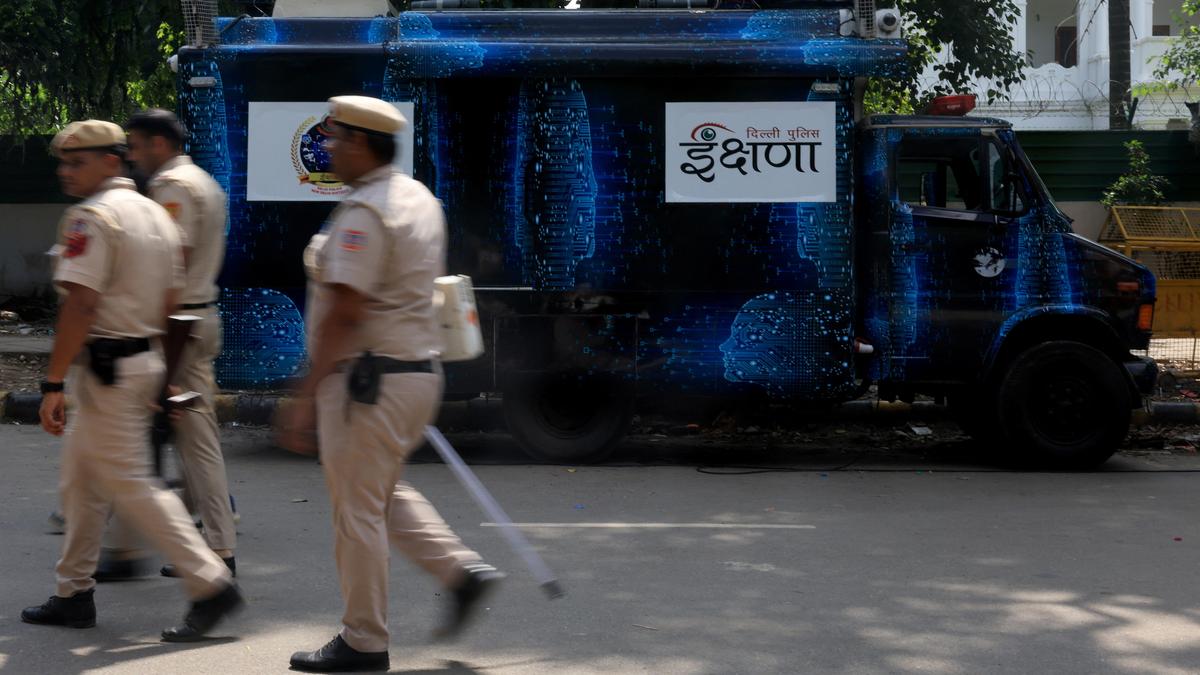
Delhi Police have identified 989 individuals with criminal records among protesters at a recent Jantar Mantar demonstration. Concurrently, authorities are actively removing protest-related social media content and blocking international accounts linked to the unrest.
Delhi Police Intensifies Surveillance and Content Moderation Following Jantar Mantar Unrest
The Scope of Police Scrutiny
Following the violent "Sansad Chalo" protest on July 20 at Jantar Mantar, Delhi Police launched an extensive verification exercise involving 2,873 individuals present at the site. The findings have revealed that 989 of these individuals possess prior criminal records. The nature of these antecedents is significant, ranging from serious offenses such as murder, rape, and robbery to kidnapping, narcotics violations, and illegal arms possession. Authorities have stated that this identification process is critical to their ongoing investigation into the clashes that left over 200 police personnel and 65 protesters injured.
Digital Enforcement and Content Takedowns
In parallel to physical verification, the Delhi Police have initiated a robust campaign to regulate the digital footprint of these protests. Officials have confirmed that they are actively sending takedown notices to platforms like Instagram to remove reels and posts deemed offensive. While the exact scale of this operation remains opaque, police have acknowledged that a large volume of content has already been removed. Furthermore, the authorities have successfully blocked over 400 social media accounts operating from outside India, citing their role in disseminating content related to the unrest.
Contextualizing the Protest Dynamics
The protests at Jantar Mantar, which have seen periods of high tension, underscore a complex intersection of public dissent and law enforcement priorities. The recent identification of habitual offenders among the crowd has provided the police with a central narrative for their investigative strategy. By utilizing facial recognition and cross-referencing databases of habitual offenders, the police aim to distinguish between legitimate political expression and criminal activity that may have escalated the violence during the July 20 event.
Broader Implications for Digital Sovereignty
The move to flag and remove social media content highlights the growing friction between digital platforms and state authorities in India. The police's ability to coordinate with social media companies to scrub content suggests a tightening of digital oversight. By targeting accounts based outside the country, the police are also signaling a proactive stance against what they characterize as external influence or misinformation campaigns that exacerbate local civil unrest.
Future Trends in Public Order Management
Moving forward, the reliance on biometric identification and criminal background checks during public demonstrations is likely to become a standard operating procedure for law enforcement in Delhi. As the investigation into the Jantar Mantar violence continues, the data gathered on these 989 individuals will likely serve as the foundation for future legal actions. The balance between maintaining public order and ensuring the right to peaceful assembly remains a contentious issue, with digital policing and physical surveillance playing increasingly pivotal roles in how the state manages dissent.
Multiple Citing Sources
Verification Required?