Live video feeds, AI-aided facial recognition: How police are surveilling protesters at Jantar Mantar
Source Entity
Soumyarendra Barik
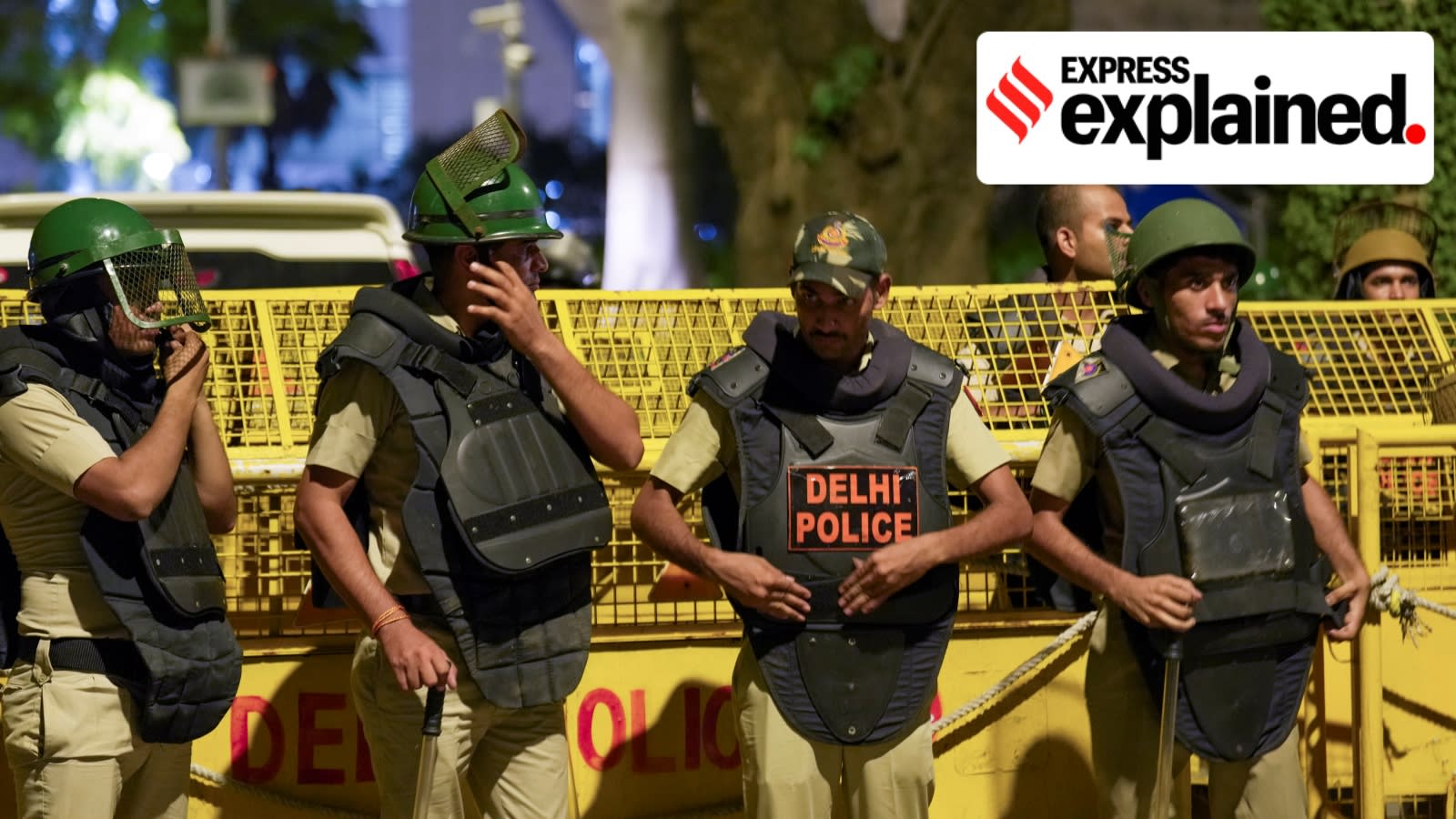
Delhi Police are utilizing AI-aided facial recognition and live surveillance vans at Jantar Mantar protests, raising significant concerns regarding privacy and intimidation. The lack of a comprehensive legal framework for such surveillance has sparked a legal challenge in the Delhi High Court.
The Digital Panopticon: Surveillance at Jantar Mantar
The recent deployment of advanced surveillance infrastructure at Jantar Mantar has ignited a critical debate regarding the intersection of public safety and individual privacy in India. With the arrival of DP-Dristhi and Ikshana surveillance vans, alongside a Mobile Command and Control Vehicle, the Delhi Police have transformed a traditional protest site into a high-tech surveillance zone. These systems, capable of real-time AI-aided facial recognition, are designed to scan live CCTV feeds against police databases to identify individuals with criminal histories.
The Impact on Democratic Expression
While the Delhi Police maintain that these measures are essential for maintaining law and order, the psychological impact on protesters is palpable. Students and activists have reported feelings of intimidation, with many resorting to covering their faces to avoid potential profiling. This reaction underscores a growing fear that digital surveillance acts as a deterrent to the fundamental right to assemble, as participants worry about the long-term implications of their presence being recorded and archived by state authorities.
A Fragmented Legal Landscape
The legal controversy surrounding these tactics is compounded by the lack of a comprehensive statutory framework. As noted in recent legal discourse, neither the Bharatiya Nagarik Suraksha Sanhita (BNSS) nor the Bharatiya Nyaya Sanhita (BNS) provides specific mandates for the use of body-worn cameras or the regulation of AI-assisted crowd control. While constitutional courts have established principles of legality, necessity, and proportionality, the current reliance on judicial precedent rather than explicit legislation leaves a significant gap in oversight.
The Role of the Judiciary
The ongoing dispute has now reached the Delhi High Court, marking a pivotal moment for digital rights in India. The court is tasked with determining the boundaries of police power in the digital age, specifically questioning how facial recognition technology is governed and what safeguards exist to prevent misuse. This case serves as a litmus test for how Indian law will handle the integration of predictive policing tools into public spaces.
Future Implications and Trends
As Indian law enforcement agencies increasingly adopt digital surveillance as a standard component of modern policing, the Jantar Mantar incident serves as a precursor to future conflicts between state security apparatuses and civil liberties. The trend suggests that without clear legislative intervention to define the limits of AI-assisted monitoring, the tension between maintaining public order and protecting the constitutional right to protest will continue to escalate, likely leading to more frequent judicial interventions to balance these competing interests.
Multiple Citing Sources