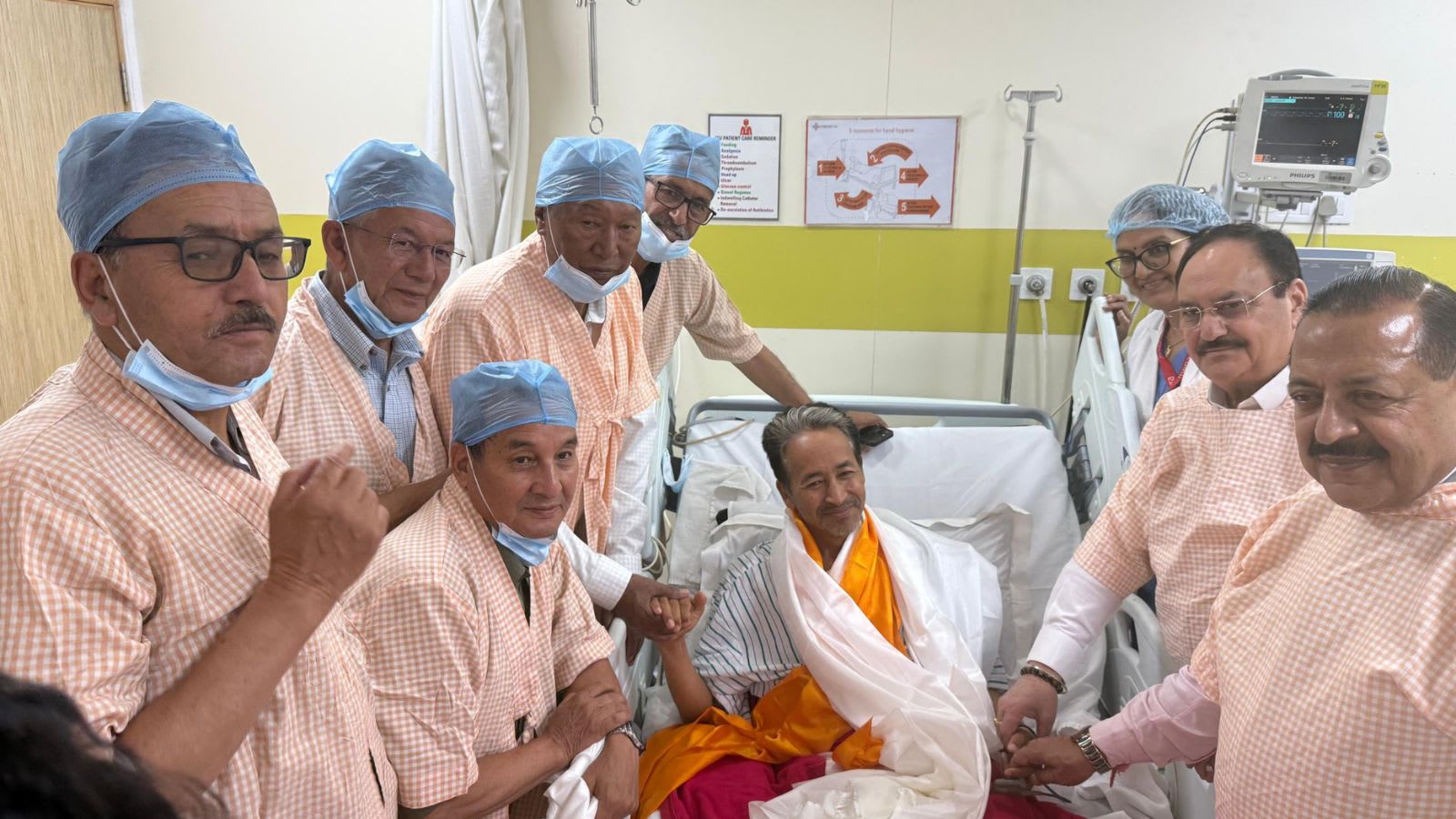
Inside story of how Congress MP became bridge between Centre, Sonam Wangchuk
Source Entity
Deeptiman Tiwary
Student organizations are staging widespread protests against alleged examination irregularities and police actions in Delhi. Concurrently, activists like Abhijeet Dipke and Sonam Wangchuk are intensifying pressure on the government through calls for ministerial accountability and hunger strikes.
Growing Unrest Over Examination Integrity
The recent wave of protests across India, spearheaded by student organizations such as the Naujawan Bharat Sabha (NBS) and the Disha Students’ Organisation, highlights a deepening crisis of confidence in the nation's examination systems. The core of this discontent revolves around alleged paper leaks and systemic failures within the National Testing Agency (NTA). By staging demonstrations near the GVMC office and expressing solidarity with agitators at Jantar Mantar, these groups are signaling a coordinated effort to hold the central government accountable for what they perceive as a compromised educational infrastructure.
Demands for Accountability and Institutional Reform
The protesters’ demands are explicit and far-reaching, centering on the resignation of Union Education Minister Dharmendra Pradhan and the potential abolition of the NTA. The involvement of CJP founder Abhijeet Dipke, who has publicly invited Minister Pradhan to engage with protesters at Jantar Mantar, underscores the escalating pressure on the Ministry. The movement posits that the current administrative framework is incapable of ensuring the fairness of competitive examinations, thereby jeopardizing the future of millions of students.
The Role of Police Conduct and Civil Liberties
A critical dimension of these protests is the vocal condemnation of Delhi Police’s actions against demonstrators at Jantar Mantar. The narrative being pushed by student leaders is not merely about examination reform, but also about the right to peaceful assembly and the protection of students from state-sanctioned force. The perception of an 'assault' on demonstrators has galvanized support beyond local campuses, transforming a technical grievance into a broader civil rights issue.
Solidarity and Parallel Agitations
The atmosphere of protest is further amplified by parallel movements, such as the hunger strike led by Sonam Wangchuk. While Wangchuk’s specific focus pertains to his own set of demands, the context of his brother Dorjey’s comments regarding the duration and intent of the fast reflects a wider culture of civil disobedience currently manifesting in India. The juxtaposition of these events suggests a period of heightened social activism where various interest groups are utilizing public fasting and sustained protest to force government engagement.
Future Implications for Governance
Looking ahead, the government faces a precarious situation. If the administration continues to ignore the calls for the resignation of key ministers or the restructuring of the NTA, the protest movement is likely to gain further momentum. The ability of student organizations to maintain their presence on the streets, coupled with backing from high-profile activists, suggests that this issue will remain a centerpiece of political discourse. The government’s response—whether through legislative reform, administrative reshuffling, or continued resistance—will ultimately determine the long-term stability of the education sector and the public's trust in institutional meritocracy.
Multiple Citing Sources