Delhi. Can’t breathe. can’t move; AQI inches closer to severe
Source Entity
KUSHAGRA DIXIT
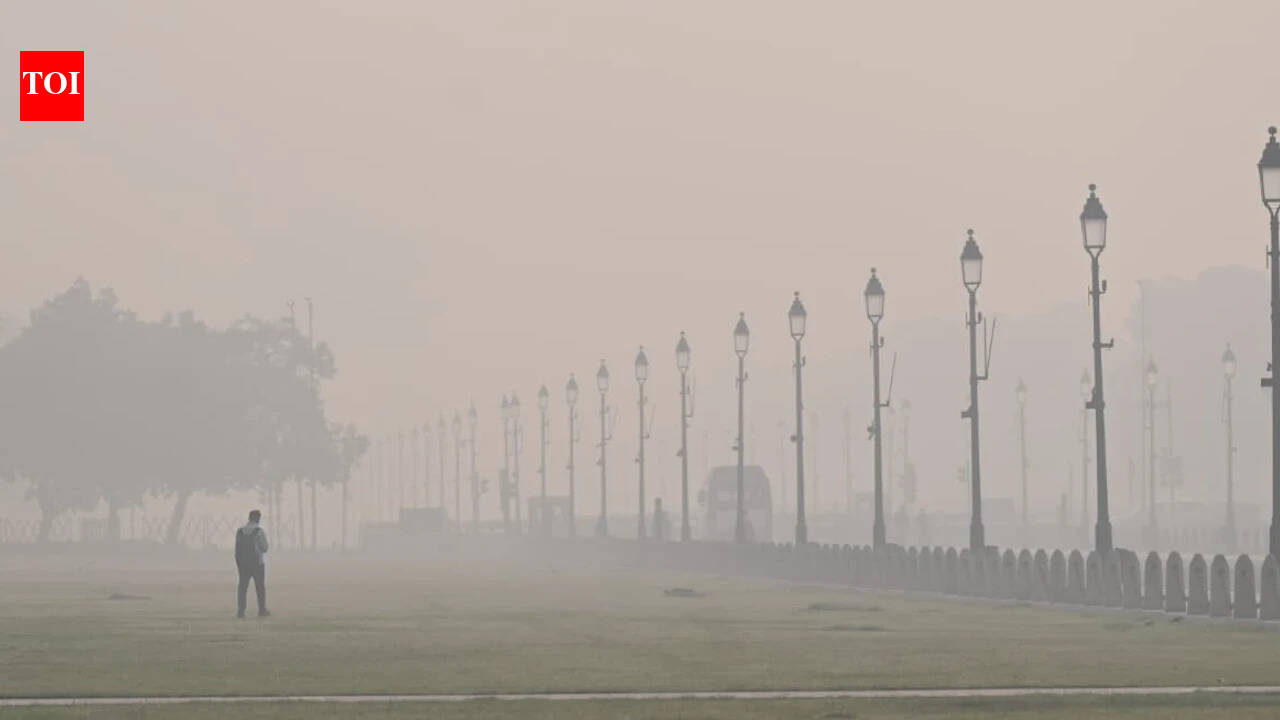
Delhi's air quality has deteriorated to an AQI of 377, nearing severe levels due to local emissions and a significant rise in stubble burning. The CAQM has initiated strict regulatory action against district officials in Punjab to curb farm fires.
The Air Quality Crisis in Delhi: An Escalating Emergency
Delhi is currently facing a severe environmental crisis as its Air Quality Index (AQI) has climbed to 377, hovering dangerously close to the 'severe' threshold. With multiple monitoring stations already recording severe levels—including critical sites like AIIMS and Nauroji Nagar Ring Road—the city is experiencing a public health emergency that necessitates immediate and coordinated intervention. The rapid deterioration of air quality is not merely a seasonal nuisance but a systemic failure to manage both local and transboundary pollution sources.
The Role of Stubble Burning and Regulatory Response
A primary driver of this spike is the surge in paddy stubble burning in neighboring states, particularly Punjab. Data indicates that the contribution of farm fires to Delhi’s total pollution load has nearly doubled in a single day, rising from 8.2% to 16.2%. In response, the Commission for Air Quality Management (CAQM) has escalated its regulatory pressure. By issuing show cause notices to deputy commissioners and senior superintendents of police in nine Punjab districts, including Jalandhar, Bathinda, and Amritsar, the CAQM is attempting to hold local authorities directly accountable for the failure to enforce anti-stubble burning mandates.
Analyzing the Pollution Mix: Local vs. External
The current crisis is a complex interplay between local emissions and external pollutants. While stubble burning receives significant attention, it accounts for a portion of the total load, with local emission sources—such as vehicular traffic, construction dust, and industrial activity—contributing 31% to the overall pollution profile. This dual burden creates a 'chokehold' effect, where stagnant weather conditions trap pollutants near the surface, preventing dispersion and leading to the rapid accumulation of particulate matter.
Healthcare Implications and Public Impact
The human cost of this atmospheric degradation is becoming increasingly evident. Healthcare professionals at institutions like AIIMS are reporting a marked uptick in respiratory distress among patients, a direct correlation to the high AQI levels. The persistence of 'very poor' to 'severe' air quality places vulnerable populations, including children, the elderly, and those with pre-existing cardiovascular or respiratory conditions, at extreme risk. The inability to breathe freely has become a daily struggle for millions of residents, impacting both productivity and long-term public health outcomes.
Future Trends and Necessary Policy Shifts
Looking ahead, meteorological forecasts from agencies like the IITM suggest that the situation may worsen, with conditions expected to reach 'severe' levels by Friday. This trajectory suggests that short-term bureaucratic notices, while necessary for accountability, must be coupled with long-term structural changes. Addressing the stubble burning crisis requires sustainable agricultural alternatives for farmers, while tackling local emissions demands stricter enforcement of construction norms and a transition toward cleaner public transit. Without a comprehensive, multi-sectoral approach that transcends state boundaries, Delhi is likely to remain trapped in this annual cycle of toxic air, necessitating a shift from reactive measures to proactive, year-round pollution management strategies.
Multiple Citing Sources