2 Policemen Injured During CJP Protest Allege "Pre-Planned Attack"
Source Entity
NDTV News Search Records Found 1000
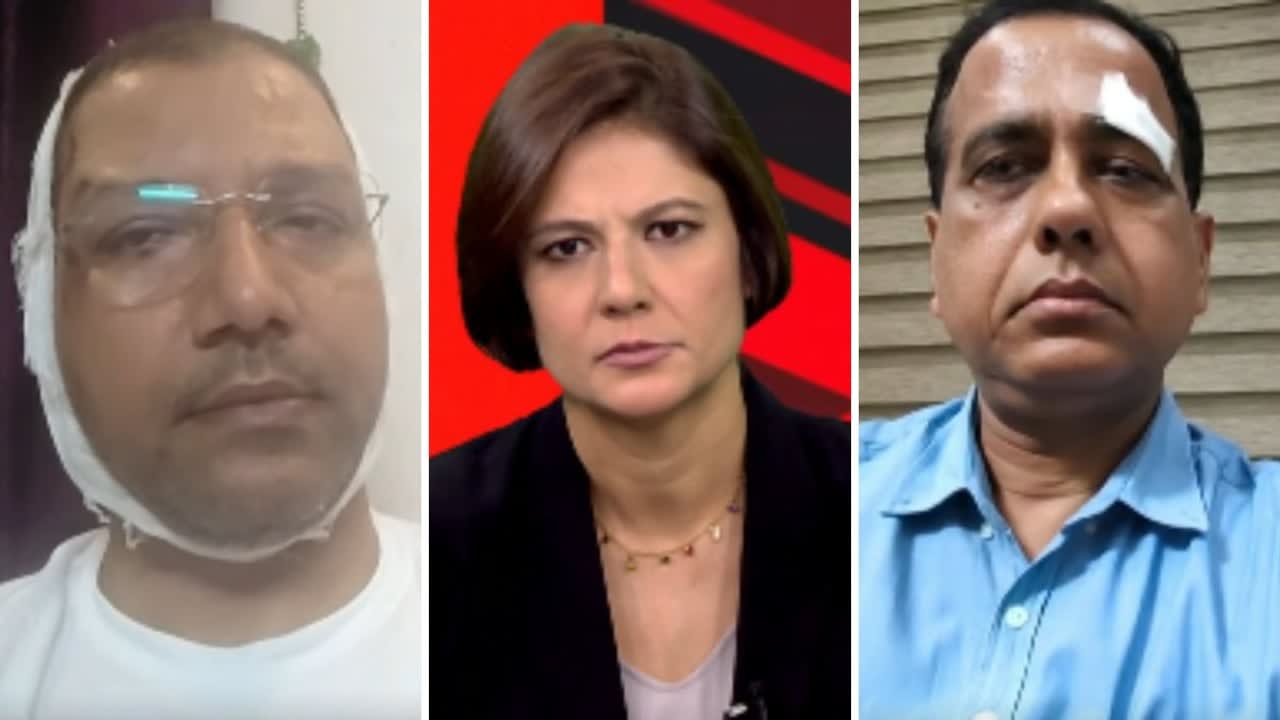
The Rapid Action Force is investigating allegations of excessive force and pellet gun usage during a July 20 student protest in Delhi. This follows reports of a protester suffering pellet injuries, contradicting official claims regarding the containment of the 'Chalo Sansad' march.
The Jantar Mantar Incident: A Conflict of Accounts
The recent 'Chalo Sansad' march, led by the CJP on July 20 in New Delhi, has devolved into a contentious dispute regarding the conduct of security forces. Central to this controversy are allegations that the Rapid Action Force (RAF) utilized pellet guns against demonstrators, an assertion that stands in stark contrast to official narratives. The emergence of medical documentation, specifically a hospital case sheet for a 25-year-old protester named Irshad Shaikh, provides tangible evidence of pellet injuries, directly challenging the integrity of police claims regarding the crowd control methods employed during the event.
Internal Verification and Accountability
In response to the growing public outcry and the specific allegations of excessive force, the Central Reserve Police Force (CRPF)—the parent body of the RAF—has initiated an internal verification process. The Inspector General of the anti-riot unit has been tasked with reconstructing the sequence of events that occurred at Jantar Mantar. This probe aims to assess whether the force deployed was proportionate to the situation and to examine video evidence that purportedly shows both clashes between protesters and security personnel, and the alleged attacks on the RAF teams themselves.
The Human Cost: A Protester's Testimony
Irshad Shaikh, a 25-year-old IT professional from Jabalpur, has become the face of this controversy. Shaikh alleges that he was targeted by an RAF staffer during the march, resulting in pellet wounds across his face, neck, and upper body. His subsequent hospitalization and surgical treatment at Lady Hardinge Hospital underscore the severity of the incident. Shaikh’s testimony provides a harrowing personal account of the protest, highlighting the physical and psychological toll of the state's intervention tactics on young demonstrators.
Broader Implications for Civil Discourse
This incident has broader implications for how student protests are managed in the capital. The call for the education minister's resignation, which catalyzed the 'Chalo Sansad' march, reflects deep-seated frustrations within the student community. When security forces are accused of using non-lethal but potentially maiming weapons like pellet guns, it raises critical questions about the threshold of force deemed acceptable in a democracy. The current investigation is not merely a procedural exercise but a test of institutional accountability.
Future Trends and Transparency
As the CRPF continues its internal review, the absence of a formal Court of Inquiry remains a point of concern for observers. The outcome of this verification process will likely set a precedent for how future protests are handled in New Delhi. If the internal probe fails to provide a transparent account that reconciles the medical evidence with police statements, it may further erode public trust in law enforcement agencies. Moving forward, the balance between maintaining public order and upholding the fundamental right to protest remains a volatile issue in Indian political life.
Multiple Citing Sources
Verification Required?