Pukasa holds protest meet in solidarity with Delhi students in Kerala’s Kochi
Source Entity
India Latest News: Top National Headlines Today & Breaking News | The Hindu
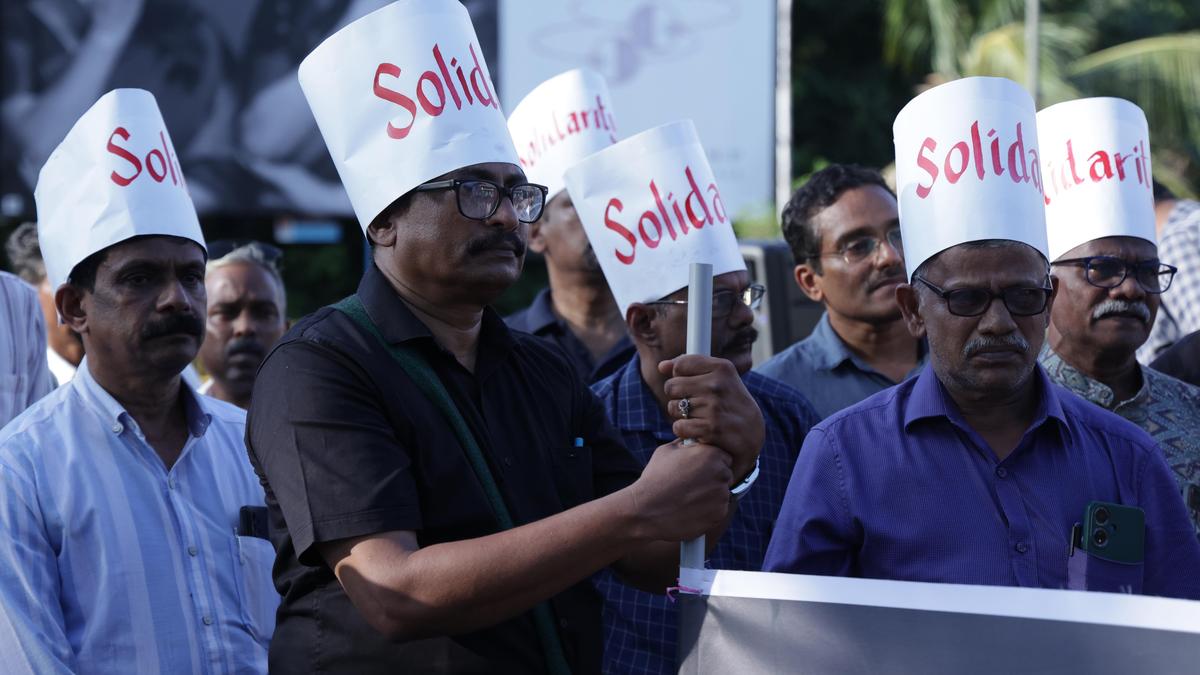
The Purogamana Kalasahithya Sangham (Pukasa) held a protest meet in Kochi on July 24, 2026, to express solidarity with student agitations in Delhi. The event featured speeches, poetry, and performances to support the student movement.
Pukasa Organizes Solidarity Meet for Delhi Students in Kochi
On July 24, 2026, the Purogamana Kalasahithya Sangham (Pukasa), a prominent Left-leaning collective of writers and artists, convened a protest gathering in Kochi. This event was specifically organized to demonstrate solidarity with the ongoing student agitation currently unfolding in Delhi, highlighting the geographical reach and cross-state political engagement of the movement.
Leadership and Collective Participation
The protest meet served as a platform for prominent members of the cultural intelligentsia to voice their support. The event was formally inaugurated by Joshy Donbosco, the State secretary of Pukasa. The gathering saw significant participation from various cultural wings, including Ravitha Haridas, the State secretary of Vanitha Sahithi, and noted artists such as Sathyapal and Sindhu Divakaran. Saheer Ali, the Pukasa district secretary, also addressed the assembly, reinforcing the organizational commitment to the student cause.
The Role of Cultural Expression in Protest
Distinct from purely political rallies, this gathering utilized the power of the arts to articulate dissent and support. A monodrama titled Hrudayam, penned by Sureshkumar Sreestha and performed by A.H. Shanavas, formed the centerpiece of the artistic protest. By integrating theater into the political discourse, the organizers aimed to humanize the student struggle and evoke a deeper emotional connection from the public.
Artistic Contributions and Protest Anthems
The cultural repertoire of the event extended beyond drama to include musical and literary tributes. Protest anthems were rendered by Salimon Kumbalangi, Thennal, and Viswan Panampukad, providing a rhythmic cadence to the collective expression of frustration and solidarity. Furthermore, a series of poems were recited by a group of contributors including Baburaj Vyttila, Anil Perumbalam, Anvar Kakkanad, Jiji Raghu, P.R. Raghu, and Aji Alath, ensuring that the intellectual narrative of the protest remained at the forefront.
Broader Implications and Future Trends
The involvement of an organization like Pukasa underscores the historical trend of Kerala’s vibrant civil society engaging with national political issues. By aligning themselves with Delhi-based student movements, such collectives act as a bridge, ensuring that local discourse remains connected to national student agitations. This trend suggests that as student movements in the capital continue to evolve, they will likely rely on regional cultural organizations to maintain momentum and broaden their base of public support across the country.
Conclusion
The Kochi protest meet by Pukasa represents a significant intersection of art and political activism. Through a diverse array of performances and speeches, the collective successfully signaled that the issues raised by students in Delhi resonate far beyond the capital, reflecting a unified effort by artists and writers to champion the cause of student rights in the current political climate.
Verification Required?