Now Bengal: Prayers outside ancient mosque, BJP leader plans Shiva Lingam to strengthen ‘temple’ claim
Source Entity
Ravik Bhattacharya
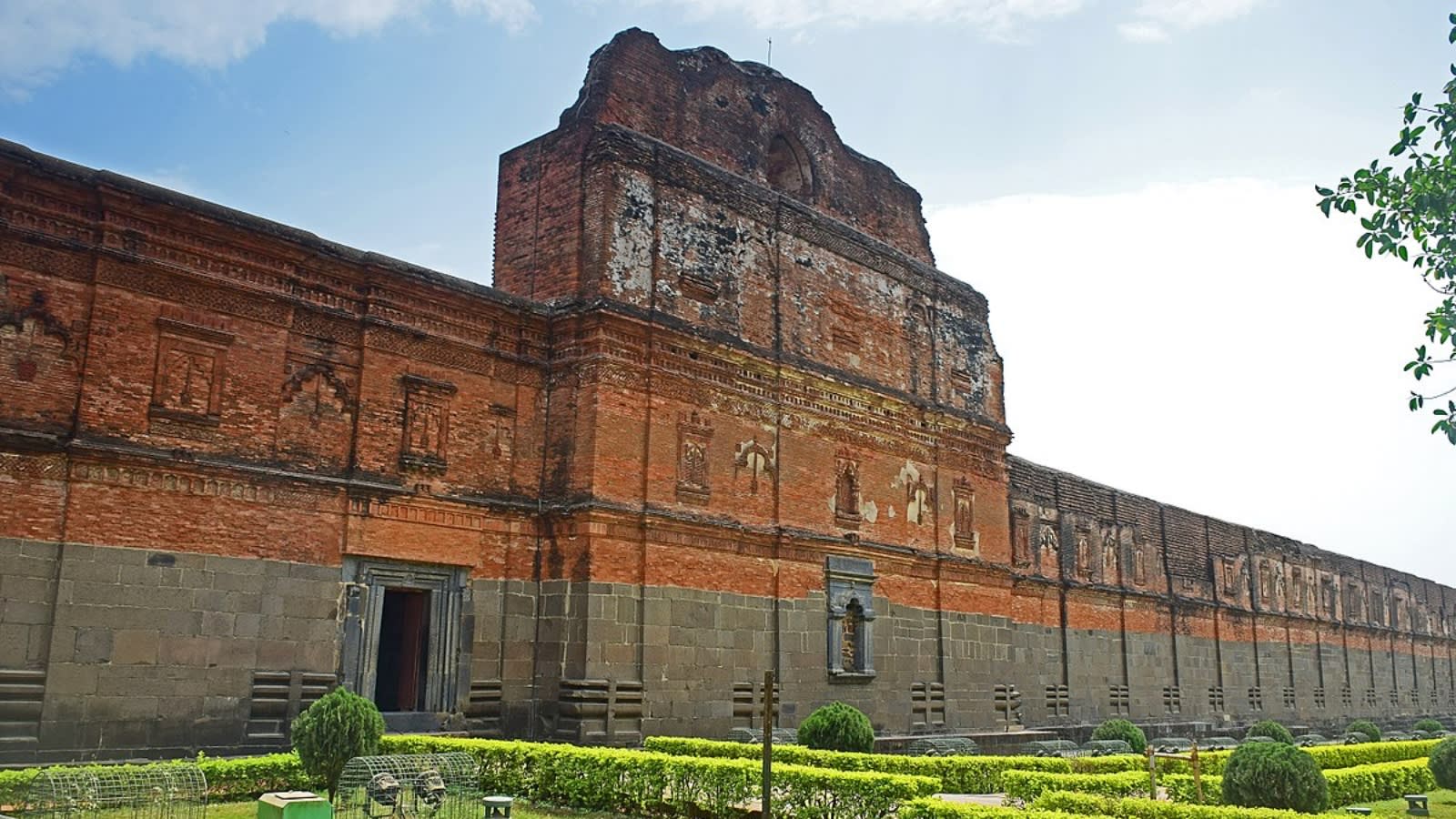
A communal dispute has emerged in West Bengal's Malda district over the 650-year-old Adina Masjid. Hindu groups, led by a local BJP leader, claim the site was originally an ancient Shiva temple and plan to install a Shiva Lingam nearby.
The Resurgence of Mandir-Masjid Disputes in West Bengal
A new communal flashpoint has emerged in the Malda district of West Bengal, centering on the historic Adina Masjid. Built in 1373 AD by Sikandar Shah, this site is recognized by the Archaeological Survey of India (ASI) as one of the largest and most significant mosques in the medieval subcontinent. However, the site has recently become the subject of a contentious 'mandir-masjid' row, driven by local Hindu right-wing groups who assert that the mosque was constructed atop an ancient ‘Adinath Temple’ dedicated to Lord Shiva.
The Role of Political Actors
The movement is being spearheaded by the ‘Adinath Puratan Shiv Mandir’ organization, which is currently led by Kajal Goswami, who also serves as a convenor for the BJP’s ‘Good Governance Wing.’ By organizing public prayers outside the mosque and announcing plans to install a large Shiva Lingam, these actors are effectively shifting the narrative from a historical debate to a localized political mobilization. This strategy mirrors broader national trends where historical sites are utilized as symbols to consolidate political support through cultural identity.
Historical Context and ASI Oversight
The Adina Masjid, located in Pandua, represents a significant architectural achievement of the Bengal Sultanate. The ASI maintains the site as a protected monument, acknowledging its status as a premier example of medieval Islamic architecture. The tension arises from the clash between the official archaeological record and the narratives promoted by local groups who argue that the structural foundation of the mosque reflects a prior Hindu architectural presence. This dispute challenges the state’s ability to manage heritage sites that hold conflicting religious significance.
Broader Implications for West Bengal
West Bengal has historically maintained a distinct approach to communal dynamics compared to other parts of India. However, the emergence of this dispute in Malda suggests that the state is increasingly susceptible to the same identity-based political conflicts seen elsewhere in the country. The deliberate attempt to 'reclaim' the site by installing a Shiva Lingam is a calculated move that forces local authorities to confront issues of law and order, potential communal polarization, and the preservation of national heritage.
Future Trends and Social Stability
Looking ahead, the situation in Malda is likely to escalate as the deadline for the proposed installation of the Shiva Lingam approaches. If the state government fails to mediate between the conflicting groups, the incident could serve as a catalyst for larger protests. The outcome of this dispute will likely set a precedent for how the state handles similar claims on ancient monuments. As these movements gain traction, the intersection of political ambition and religious fervor will continue to test the social fabric of the region, potentially turning the Adina Masjid into a permanent site of contention.