Who is Roger Rogoff? Trump-fired US attorney sues after removal in 54 minutes
Source Entity
Latest News: Todays Latest News Headlines from India & World | Hindustan Times | Hindustan Times
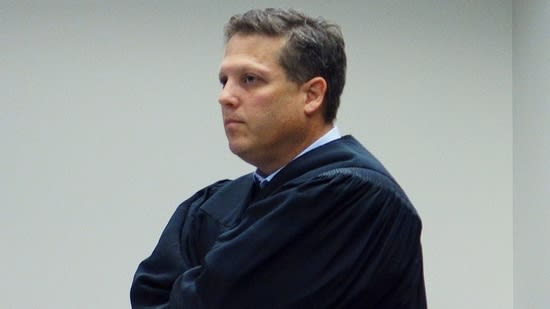
Former U.S. Attorney Roger Rogoff is suing the Trump administration after being removed from his position just 54 minutes into his tenure. The lawsuit challenges presidential authority to dismiss court-appointed attorneys before Senate confirmation, setting a significant legal precedent.
The Unprecedented Legal Challenge of Roger Rogoff
The recent lawsuit filed by Roger Rogoff, the former U.S. attorney for the Western District of Washington, marks a potentially seismic shift in the interpretation of executive authority regarding federal judicial appointments. Rogoff’s summary dismissal, occurring a mere 54 minutes after he began his tenure, has transcended a typical administrative dispute to become a constitutional test case. At the heart of this legal battle is the question of whether a president holds the unilateral power to remove a court-appointed U.S. attorney before the Senate has confirmed a permanent successor.
The Legal Core: Statutory Protections vs. Executive Power
Rogoff argues that federal law provides specific protections for U.S. attorneys appointed by district courts to fill vacancies. These protections, he contends, are intended to maintain the continuity and independence of federal law enforcement by ensuring that these positions remain occupied until a Senate-confirmed replacement is duly sworn in. By challenging his removal in federal court, Rogoff is invoking a statutory interpretation that could severely limit a president’s ability to purge or replace these officials at will, particularly when the appointments were made by the judiciary rather than the executive branch.
Historical Context and Precedent
The novelty of this litigation cannot be overstated. While the power to appoint and remove federal officials is a well-trodden area of constitutional law, there is no known historical precedent for a U.S. attorney challenging their own firing in court. Historically, U.S. attorneys have served at the pleasure of the president, a tradition that has solidified into an accepted political norm. By breaking this cycle of quiet resignation, Rogoff has forced a judicial review of a process that has long operated under the assumption of absolute executive discretion.
Broader Implications for Judicial Independence
This case touches upon the delicate balance of power between the executive and judicial branches. If the courts rule in favor of Rogoff, it would signify a victory for administrative stability, potentially insulating court-appointed officials from political volatility. Conversely, a ruling that upholds the administration’s authority would reaffirm the president’s broad discretion, reinforcing the reality that federal prosecutors are inherently political appointees whose tenures are subject to the shifting tides of the White House.
Future Trends in Federal Appointments
Looking ahead, the outcome of this lawsuit will likely dictate how future administrations approach the interim appointment process. Should Rogoff succeed, future presidents may be required to work more closely with the Senate to expedite confirmations rather than relying on interim appointments that could become legally entrenched. The case is being closely watched by legal scholars and political strategists alike, as it could fundamentally rewrite the playbook for how the Department of Justice manages its leadership transition during changes in administration.
Conclusion
Roger Rogoff’s lawsuit is more than a grievance over a 54-minute tenure; it is a profound inquiry into the limits of presidential power. As the case proceeds, the judiciary will be tasked with reconciling the practical needs of executive administration with the statutory protections designed to ensure stable, non-partisan legal oversight. Regardless of the verdict, the mere existence of this legal challenge serves as a reminder that even the most established political customs are subject to the scrutiny of the rule of law.
Verification Required?